CuratedFoodMetagenomicData (cFMD) is a new, open-source database for the collection of food microbial data. It currently includes the metagenomes of 2,533 foods, comprising more than 10,000 microbes, approximately half of which were previously unknown.
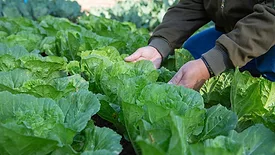
A recent study has demonstrated that the risk of foodborne Salmonella enterica infection from raw produce may increase as humidity worsens due to climate change, and that certain plant diseases can aid the survival of Salmonella on leafy greens.
The world could be rendered defenseless against the next global pandemic if antimicrobial use in Southeast Asian animal agriculture is not curbed, researchers from RMIT University have warned.
A recent study found the widespread presence of toxic per- and polyfluoroalkyl substances (PFAS) in the tissues of fish sourced from various Illinois water bodies.
A recent review of carcinogenicity data submitted to support U.S. FDA “Generally Recognized as Safe” (GRAS) determinations for food substances has shown that, although the types of carcinogenicity data are varied, safety is typically adequately evidenced. Still, a standardized approach defining which data is required to support a GRAS determination could be useful.
A recent study has established a framework for identifying and prioritizing microbiological risks in infant food products. A web tool has been made available to the public.
Pesticide residues were detected in 92 percent of conventionally grown Dutch strawberries, and per- and polyfluoroalkyl substances (PFAS) and other toxic chemicals were found in more than two-thirds of samples, according to a recent, small-scale study from Pesticide Action Network Netherlands.
A recent survey of raw flour and flour-based foods conducted by the UK Health Security Agency (UKHSA) found a low incidence of Salmonella and Shiga toxin-producing Escherichia coli (STEC) among sampled products. Whole genome sequencing revealed a link between a Salmonella isolate from a sample and a human illness.
After a recent sampling project, Consumer Reports is calling attention to concerning levels of perchlorate in foods, especially those intended for babies and children. Perchlorate is a chemical used in rocket fuel, some plastics, and other products. Exposure to the chemical can harm the thyroid.
A new study has found that California community drinking water systems serving majority Latino communities are disproportionately contaminated by higher nitrate and arsenic contamination, and that the issue is exacerbated by droughts.