However, concerning levels of arsenic and lead were detected in some products, and Consumer Reports is therefore urging FDA to set limits for these metals in infant formula. PFAS were also found in more than a quarter of products.
The first reports from the MAHA-aligned Healthy Florida First initiatives raised concern about toxic heavy metals in infant formula and candy, but toxicologists say a lack of transparency around the methodology and risk assessment makes the findings difficult for experts to interpret and raises questions about the relevance to consumer health.
Florida unveiled the Healthy Florida First initiative, a MAHA-aligned product contaminant testing effort, alongside the initiative's first report focused on the presence of toxic heavy metals in infant formulas. Several products had elevated levels of arsenic, cadmium, lead, and mercury.
Illinois recently enacted a law that requires baby food manufacturers to test their products for toxic elements (i.e., lead, cadmium, arsenic, and mercury). By January 2027, the results must be made publicly available for consumers.
New research suggests that the most effective treatments for reducing levels of arsenic in rice are cultivar selection, irrigation management, cooking approach, and the application of selenium or silicon soil amendments.
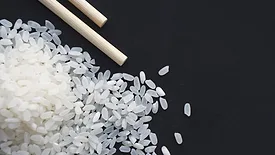
Tests of 145 rice samples from retailers nationwide—including U.S.-grown and imported varieties—reveal that rice sold in the United States remains widely contaminated with arsenic.
The European Food Safety Authority (EFSA) has published a scientific opinion on the health risks associated with the most common complex organoarsenic species in food.
Senator Cory Booker’s Safe School Meals Act proposes widespread reforms that would reduce the presence of toxic heavy metals, pesticides, artificial food dyes, and chemicals in school lunches, and would mandate research to progress remediation methods for environmental contaminants polluting farms.
A recent University of Delaware study has shown that, although certain irrigation management approaches can reduce the levels of either cadmium or arsenic in rice crops, irrigation management may not be able to simultaneously mitigate both of the chemicals.