Food Safety
search
Ask Food Safety AI
cart
facebook twitter linkedin instagram youtube
  • Sign In
  • Create Account
  • Sign Out
  • My Account
Food Safety
  • NEWS
    • Latest News
    • White Papers
  • PRODUCTS
  • TOPICS
    • Contamination Control
    • Food Types
    • Management
    • Process Control
    • Regulatory
    • Sanitation
    • Supply Chain
    • Testing and Analysis
  • PODCAST
  • EXCLUSIVES
    • Food Safety Five Newsreel
    • eBooks
    • FSM Distinguished Service Award
    • Interactive Product Spotlights
    • Videos
  • BUYER'S GUIDE
  • MORE
    • NEWSLETTERS >
      • Archive Issues
      • Subscribe to eNews
    • Store
    • Sponsor Insights
    • ASK FSM AI
  • WEBINARS
  • FOOD SAFETY SUMMIT
  • EMAG
    • eMagazine
    • Archive Issues
    • Editorial Advisory Board
    • Contact
    • Advertise
  • SIGN UP!
NewsContamination ControlRegulatoryChemical ControlInternational Standards/Harmonization

EU Requires Monitoring of Ethylene Oxide in Food
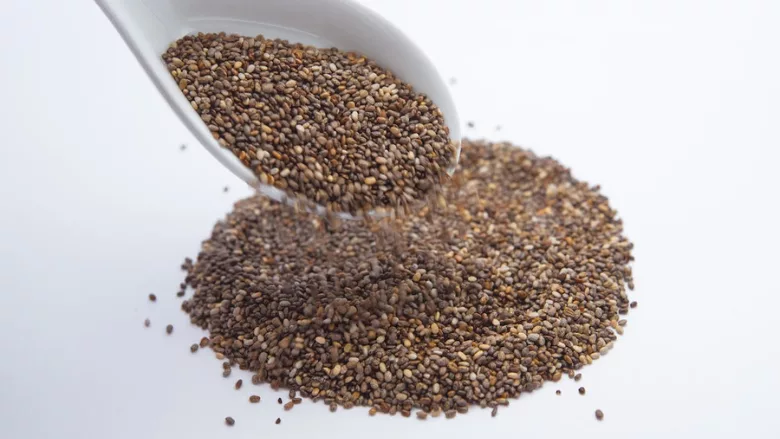
seeds in spoon

Credit: Bruno Scramgnon via Pexels

April 12, 2023

Following a string of recalls in recent years caused by ethylene oxide, the European Commission (EC) has classified ethylene oxide as a pesticide and the chemical will be subject to mandatory testing.

Ethylene oxide is a chemical substance with many applications, such for the sterilization of raw materials in food production. However, the substance has been identified as a carcinogenic, mutagenic, and reproductive toxin.

From 2023–2026, EU Member States must randomly collect and analyze samples of certain foods for the presence of ethylene oxide, specifically:

  • In 2023: dried beans, rye, and rice
  • In 2024: wheat
  • In 2025: barley and oats
  • In 2026: dried beans, rye, and brown rice.

Each August, Member States are required to provide sampling data for the previous calendar year.

In 2022, the EC clarified that the presence of ethylene oxide, irrespective of its origin, is not authorized for all food additives. The EC also set a limit of 0.1 milligrams per kilogram for ethylene oxide, including 2-chloro-ethanol expressed as ethylene oxide, in certain additives that are treated with the substance.

Tightening restrictions on ethylene oxide follow several Rapid Alert System for Food and Food Network (RASFF) notifications regarding the presence of ethylene oxide in food products from food additives containing the substance. For instance, in 2022, sesame seeds from India were found to contain the chemical, which led to the discovery of ethylene oxide in other raw materials. The EU subsequently held several meetings regarding the situation and launched the largest series of recalls in EU history.

Looking for quick answers on food safety topics?
Try Ask FSM, our new smart AI search tool.
Ask FSM →


KEYWORDS: ethylene oxide EU European Commission monitoring

Share This Story

Recommended Content

JOIN TODAY
to unlock your recommendations.

Already have an account? Sign In

  • people holding baby chicks

    Serovar Differences Matter: Utility of Deep Serotyping in Broiler Production and Processing

    This article discusses the significance of Salmonella in...
    Methods
    By: Nikki Shariat Ph.D.
  • woman washing hands

    Building a Culture of Hygiene in the Food Processing Plant

    Everyone entering a food processing facility needs to...
    Training
    By: Richard F. Stier, M.S.
  • graphical representation of earth over dirt

    Climate Change and Emerging Risks to Food Safety: Building Climate Resilience

    This article examines the multifaceted threats to food...
    Risk Assessment
    By: Maria Cristina Tirado Ph.D., D.V.M. and Shamini Albert Raj M.A.
Manage My Account
  • eMagazine Subscription
  • Subscribe to Newsletters
  • Manage My Preferences
  • Website Registration
  • Subscription Customer Service

More Videos

Sponsored Content

Sponsored Content is a special paid section where industry companies provide high quality, objective, non-commercial content around topics of interest to the Food Safety Magazine audience. All Sponsored Content is supplied by the advertising company and any opinions expressed in this article are those of the author and not necessarily reflect the views of Food Safety Magazine or its parent company, BNP Media. Interested in participating in our Sponsored Content section? Contact your local rep!

close
  • The image shows a variety of fresh produce packaged in plastic trays and wrap.
    Sponsored byWaters Corporation

    PFAS-Free Food Packaging by August 2026

  • This image displays a multi-stage water filtration system designed to remove contaminants from drinking water.
    Sponsored byWaterdrop Filter

    The 4.0 ppt Era: Future-Proofing Your Food Supply Chain Against 'Forever Chemicals'

  • The image displays a bottling plant production line, commonly used in the beverage industry for filling and packaging soft drinks.
    Sponsored byBIOIONIX

    Sustainability with ROI: A Beverage Producer Case Study in Water Savings

Popular Stories

half shredded block of cheddar cheese and pile of cheese shreds on wooden cutting board

Patient Count in Raw Farm E. coli Outbreak Grows, Majority are Young Children

RAW FARM-brand raw cheddar cheese shreds

Amid E. coli Outbreak, Congress Urges FDA to Mandate Raw Cheese Recall

smiling employee in bottling factory looking at camera with arms crossed in front of production line

GFSI Unveils Updated Food Safety Culture Framework

foreign material webinar


Events

April 8, 2026

Foreign Material Contamination: Why In-Line Reinspection Isn't Enough

Live: April 8, 2026, at 11:00 am EDT: From this webinar, attendees will learn why reinspecting with in-line equipment is not sufficient when it comes to potential foreign material contamination.

April 16, 2026

Recordkeeping and Document Management for Food Safety Compliance

Live: April 16, 2026, at 2:00 pm EDT: From this webinar, attendees will learn why recordkeeping and document control are essential to food safety and business management.

May 11, 2026

The Food Safety Summit

Stay informed on the latest food safety trends, innovations, emerging challenges, and expert analysis. Leave the Summit with actionable insights ready to drive measurable improvements in your organization. Do not miss this opportunity to learn from experts about contamination control, food safety culture, regulations, sanitation, supply chain traceability, and so much more.

View All

Products

Global Food Safety Microbial Interventions and Molecular Advancements

Global Food Safety Microbial Interventions and Molecular Advancements

See More Products

Related Articles

  • chocolate ice cream being scooped

    EU Revises Regulations for Ethylene Oxide in Food Additives

    See More
  • woman eating spoonful of creamy white food

    UK FSA Proposes Limit for Ethylene Oxide in Food Additives Matching EU Regulations

    See More
  • EU countries on map seen through magnifying glass

    Report Shows Strengths and Weaknesses of EU National Food Safety Control Systems in 2022

    See More

Related Products

See More Products
  • 9781498721776.jpg

    Handbook of Food Processing: Food Safety, Quality, and Manufacturing Processes

  • 9781138070912.jpg

    Trends in Food Safety and Protection

  • 1119237963.jpg

    Food Safety in China: Science, Technology, Management and Regulation

See More Products

Events

View AllSubmit An Event
  • March 26, 2026

    Continuous Pathogen Control: Enhancing Sanitation and Environmental Monitoring in Food Processing

    On Demand: This session explores the role of continuous airborne pathogen control technology in supporting sanitation and environmental monitoring programs within food processing environments.
View AllSubmit An Event

Related Directories

  • Institute of Food Technologists

    Since 1939, the Institute of Food Technologists (IFT) has served as the voice of the global food science community. IFT advocates for science, technology, and research to address the world’s greatest food challenges, guiding our community of more than 200,000. IFT convenes professionals from around the world – from producers and product developers to innovators and researchers across food, nutrition, and public health – with a shared mission to help create a global food supply that is sustainable, safe, nutritious, and accessible to all. IFT provides its growing community spanning academia, industry, and government with the resources, connections, and opportunities necessary to stay ahead of a rapidly evolving food system as IFT helps feed the minds that feed the world. For more information, please visit ift.org.
×

Never miss the latest news and trends driving the food safety industry

Newsletters | Website | eMagazine

JOIN TODAY!
  • RESOURCES
    • Advertise
    • Contact Us
    • Directories
    • Store
    • Want More
  • SIGN UP TODAY
    • Create Account
    • eMagazine
    • Newsletters
    • Customer Service
    • Manage Preferences
  • SERVICES
    • Marketing Services
    • Reprints
    • Market Research
    • List Rental
    • Survey/Respondent Access
  • STAY CONNECTED
    • LinkedIn
    • Facebook
    • Instagram
    • X (Twitter)
  • PRIVACY
    • PRIVACY POLICY
    • TERMS & CONDITIONS
    • DO NOT SELL MY PERSONAL INFORMATION
    • PRIVACY REQUEST
    • ACCESSIBILITY

Copyright ©2026. All Rights Reserved BNP Media, Inc. and BNP Media II, LLC.

Design, CMS, Hosting & Web Development :: ePublishing