Food Safety
search
Ask Food Safety AI
cart
facebook twitter linkedin
  • Sign In
  • Create Account
  • Sign Out
  • My Account
Food Safety
  • NEWS
    • Latest News
    • White Papers
  • PRODUCTS
  • TOPICS
    • Contamination Control
    • Food Types
    • Management
    • Process Control
    • Regulatory
    • Sanitation
    • Supply Chain
    • Testing and Analysis
  • PODCAST
  • EXCLUSIVES
    • Food Safety Five Newsreel
    • eBooks
    • FSM Distinguished Service Award
    • Interactive Product Spotlights
    • Videos
  • BUYER'S GUIDE
  • MORE
    • ENEWSLETTER >
      • Archive Issues
      • Subscribe to eNews
    • Store
    • Sponsor Insights
    • ASK FSM AI
  • WEBINARS
  • FOOD SAFETY SUMMIT
  • EMAG
    • eMagazine
    • Archive Issues
    • Editorial Advisory Board
    • Contact
    • Advertise
  • SIGN UP!
NewsContamination ControlRegulatoryChemicalInternational Standards/Harmonization

EU Revises Regulations for Ethylene Oxide in Food Additives
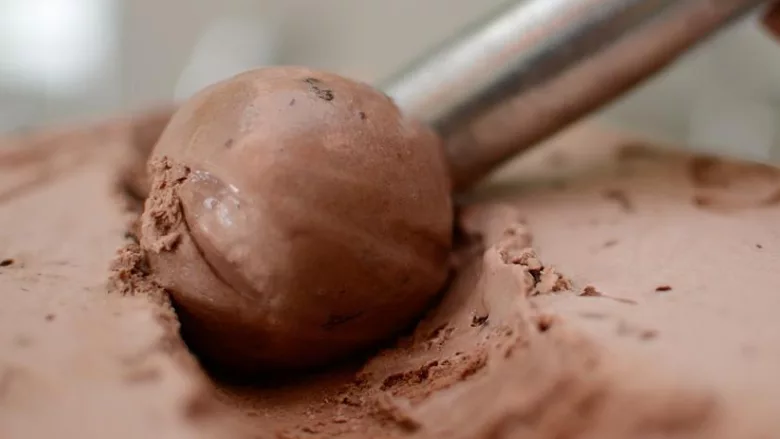
chocolate ice cream being scooped

Credit: wanderson91 via Pixabay

August 24, 2022

The European Commission has recently published revisions to its regulation on the use of ethylene oxide in food additives. The revisions have been made to provide clarity on the allowable levels of ethylene oxide present in food additives, as uncertainty surrounding regulation of the substance has led to enforcement challenges and recall incidents.

Ethylene oxide is a chemical substance with many applications, such for the sterilization of raw materials in food production. However, the substance has been identified as a carcinogenic, mutagenic, and reproductive toxin.

Citing Rapid Alert System for Food and Food Network (RASFF) notifications, the European Commission explains that there have been several recent incidents concerning the presence of ethylene oxide in food products from food additives that contain the substances. The difficulty of discerning the source of ethylene oxide that is present in foods—be it through the unlawful sterilization of food additives or any other reason—has made enforcement of the substance in food challenging. 

To avoid future enforcement challenges and recall incidents, the European Commission has clarified that the presence of ethylene oxide, irrespective of its origin, is not authorized for all food additives. The Commission has also set a limit of 0.1 milligrams per kilogram for ethylene oxide, including 2-chloro-ethanol expressed as ethylene oxide, in certain additives that are treated with the substance.

Looking for quick answers on food safety topics?
Try Ask FSM, our new smart AI search tool.
Ask FSM →


KEYWORDS: additives ethylene oxide EU European Commission

Share This Story

Recommended Content

JOIN TODAY
to unlock your recommendations.

Already have an account? Sign In

  • people holding baby chicks

    Serovar Differences Matter: Utility of Deep Serotyping in Broiler Production and Processing

    This article discusses the significance of Salmonella in...
    Contamination Control
    By: Nikki Shariat Ph.D.
  • woman washing hands

    Building a Culture of Hygiene in the Food Processing Plant

    Everyone entering a food processing facility needs to...
    Personal Hygiene/Handwashing
    By: Richard F. Stier, M.S.
  • graphical representation of earth over dirt

    Climate Change and Emerging Risks to Food Safety: Building Climate Resilience

    This article examines the multifaceted threats to food...
    Best Practices
    By: Maria Cristina Tirado Ph.D., D.V.M. and Shamini Albert Raj M.A.
Manage My Account
  • eMagazine Subscription
  • Subscribe to eNewsletter
  • Manage My Preferences
  • Website Registration
  • Subscription Customer Service

More Videos

Sponsored Content

Sponsored Content is a special paid section where industry companies provide high quality, objective, non-commercial content around topics of interest to the Food Safety Magazine audience. All Sponsored Content is supplied by the advertising company and any opinions expressed in this article are those of the author and not necessarily reflect the views of Food Safety Magazine or its parent company, BNP Media. Interested in participating in our Sponsored Content section? Contact your local rep!

close
  • Salmonella bacteria
    Sponsored byThermoFisher

    Food Microbiology Testing Methods: Salmonella species

  • a diagram explaining indicator organisms
    Sponsored byHygiena

    How Proactive Listeria Testing Helps Prevent Six- and Seven-Figure Recalls

  • woman grocery shopping
    Sponsored byCorbion

    Designing Safety Into Every Bite: Proactive Risk Mitigation for Refrigerated Foods

Popular Stories

newborn earing from bottle

Infants Nationwide Hospitalized With Botulism After Consuming ByHeart Formula

U.S. currency on scale

Shutdown Deal Restricts Funds for FSMA 204, Produce Safety Rule Enforcement

dates

Codex Commission Adopts New International Food Standards at 48th Session

Events

November 18, 2025

Dry Sanitation and Cleaning Techniques for Facilities and Equipment

Live: November 18, 2025 at 12:00 pm EDT: From this webinar, attendees will learn best practices employed by dry/low-moisture food processors for dry sanitation and equipment cleaning.

November 20, 2025

New U.S. Additive Bans: How to Prepare and Protect Your Brand

Live: November 20, 2025 at 11:00 am EST: From this webinar, attendees will learn the impact of ingredient restrictions on product development, sourcing, labeling, and market access.

December 4, 2025

Beyond Detection: How Integrated PCR Diagnostics Strengthen Food Safety in RTE Manufacturing

Live: December 4, 2025 at 2:00 pm EST: From this webinar, attendees will learn best practices for prevention of FM contamination at the corporate and plant levels.

View All

Products

Global Food Safety Microbial Interventions and Molecular Advancements

Global Food Safety Microbial Interventions and Molecular Advancements

See More Products

Related Articles

  • woman eating spoonful of creamy white food

    UK FSA Proposes Limit for Ethylene Oxide in Food Additives Matching EU Regulations

    See More
  • seeds in spoon

    EU Requires Monitoring of Ethylene Oxide in Food

    See More
  • shopper examines label on bottle

    Audit Makes Recommendations for Improvement in EU Food Labeling Regulations

    See More

Related Products

See More Products
  • 1119053595.jpg

    Food Safety for the 21st Century: Managing HACCP and Food Safety throughout the Global Supply Chain, 2E

  • 9781138070912.jpg

    Trends in Food Safety and Protection

  • 1119160553.jpg

    Food Safety: Innovative Analytical Tools for Safety Assessment

See More Products
×

Never miss the latest news and trends driving the food safety industry

eNewsletter | Website | eMagazine

JOIN TODAY!
  • RESOURCES
    • Advertise
    • Contact Us
    • Directories
    • Store
    • Want More
  • SIGN UP TODAY
    • Create Account
    • eMagazine
    • eNewsletter
    • Customer Service
    • Manage Preferences
  • SERVICES
    • Marketing Services
    • Reprints
    • Market Research
    • List Rental
    • Survey/Respondent Access
  • STAY CONNECTED
    • LinkedIn
    • Facebook
    • Instagram
    • X (Twitter)
  • PRIVACY
    • PRIVACY POLICY
    • TERMS & CONDITIONS
    • DO NOT SELL MY PERSONAL INFORMATION
    • PRIVACY REQUEST
    • ACCESSIBILITY

Copyright ©2025. All Rights Reserved BNP Media.

Design, CMS, Hosting & Web Development :: ePublishing