Food Safety
search
Ask Food Safety AI
cart
facebook twitter linkedin instagram youtube
  • Sign In
  • Create Account
  • Sign Out
  • My Account
Food Safety
  • NEWS
    • Latest News
    • Sponsored Insights
    • Sponsored White Papers
  • PRODUCTS
  • TOPICS
    • Contamination Control
    • Food Types
    • Management
    • Process Control
    • Regulatory
    • Sanitation
    • Supply Chain
    • Testing and Analysis
  • PODCAST
  • EXCLUSIVES
    • Food Safety Five Newsreel
    • eBooks
    • FSM Distinguished Service Award
    • Interactive Product Spotlights
    • Videos
  • MORE
    • BUYER'S GUIDE
    • NEWSLETTERS >
      • Archive Issues
      • Subscribe to eNews
    • Store
    • ASK FSM AI
  • WEBINARS
  • FOOD SAFETY SUMMIT
  • FSM FEATURES
    • FSM Features Collection
    • eMag Archives
    • Editorial Advisory Board
    • Contact
    • Advertise
  • SIGN UP!
Contamination ControlCase StudiesRecall/Crisis ManagementMicrobiological Control

Another Food Safety Story: A Process Override
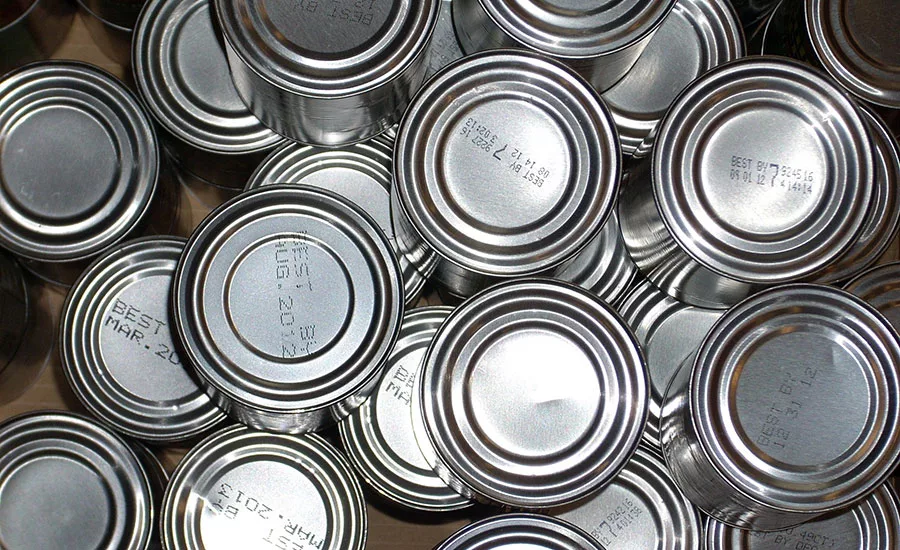
tin cans
August 10, 2021

In an EU country, the company received consumer complaints about canned meat products, produced in-house in the same country. Cans were bulging. At that point, there were two possibilities: underprocessing or leaking cans. In either case, there would be microbial contamination and growth. The company decided to issue a public recall immediately and subsequently informed the local authorities. Further, further production was halted, and an investigation into the incident was initiated.

The local authorities were very critical of the recall, demanding to know what exactly was the nature of the microbial contamination. They argued that this situation was not likely a danger to public health and warned the company not to issue any public recalls on their own initiative ever again but to inform them first and wait for instructions.

Later, the company understood that the reason the local authorities were contesting the recall was only because the news of the recall had already reached the central authorities in the capital city, who immediately contacted the local branch with questions they could not answer at the time.

Canned product was supposed to be sterilized in a steam retort, which was preconditioned by blowing steam through it for 7 minutes. The investigation found that factory operators considered this process wasteful in terms of energy and too noisy. They managed to change the computer-controlled process in such a way that preconditioning now only lasted 2 minutes, which they deemed sufficient without any further validation. Subsequent heat mapping of the retort under these conditions showed a highly irregular heat distribution, leading to significant local underprocessing. No problems with can integrity were found.

Discussion and Lessons Learned

  1. Always, and immediately, recall canned products that are bulging. It may not be clear what the nature of the contamination is exactly, but danger to public health is a realistic possibility and there is no time to try to find out first.
  2. Coordinate the recall with the local authorities to prevent a situation where local authorities are blindsided and unable to answer questions from their superiors.
  3. Where food safety-related process parameters are computer controlled, make sure these settings cannot be changed/overridden by operators.
  4. Explain the process to operators in advance, and when they raise concerns about energy use and noise (or any other aspect), explain the process again and address the concerns as much as possible (improved hearing protection, perhaps?) without jeopardizing food safety.

Stories like these are designed to convey lessons learned in a scientific, technical, operational, ethical, or management setting. As such, the preparation of a book with the working title Food Safety Stories is underway. Its objective is to capture and share the field experience of practitioners in their respective fields with the aim of making the training of professionals more effective.  

We thus are soliciting contributions from you, food safety professionals, about unusual or real-life situations experienced or witnessed by you, with a focus on food safety. If you have an experience worth sharing with colleagues or future generations of food professionals that fits this description, we would be happy to receive and review it for possible inclusion in the book. The story can relate to any step of the food chain or any sector from public health, industry, academia, NGOs, or consumers.

Looking for quick answers on food safety topics?
Try Ask FSM, our new smart AI search tool.
Ask FSM →

Each contribution will be anonymized to the extent possible and needed. The names of the authors and the number of their contributions will only appear in a list at the beginning of the book. The names of the authors will not be linked to individual stories and there will be no mention of brand or company names. Information regarding dates and geography will be broad to avoid recognizable links with companies, brands, or individuals.

For further information about this project and criteria for content, please contact Peter Overbosch, Yasmine Motarjemi, or Huub Lelieveld, editors of Food Safety Stories.

 

KEYWORDS: canned foods food safety stories

Share This Story

Recommended Content

JOIN TODAY
to unlock your recommendations.

Already have an account? Sign In

  • people holding baby chicks

    Serovar Differences Matter: Utility of Deep Serotyping in Broiler Production and Processing

    This article discusses the significance of Salmonella in...
    Testing & Analysis
    By: Nikki Shariat Ph.D.
  • woman washing hands

    Building a Culture of Hygiene in the Food Processing Plant

    Everyone entering a food processing facility needs to...
    Facilities
    By: Richard F. Stier, M.S.
  • graphical representation of earth over dirt

    Climate Change and Emerging Risks to Food Safety: Building Climate Resilience

    This article examines the multifaceted threats to food...
    Contamination Control
    By: Maria Cristina Tirado Ph.D., D.V.M. and Shamini Albert Raj M.A.
Manage My Account
  • eMagazine Subscription
  • Subscribe to Newsletters
  • Manage My Preferences
  • Website Registration
  • Subscription Customer Service

More Videos

Sponsored Content

Sponsored Content is a special paid section where industry companies provide high quality, objective, non-commercial content around topics of interest to the Food Safety Magazine audience. All Sponsored Content is supplied by the advertising company and any opinions expressed in this article are those of the author and not necessarily reflect the views of Food Safety Magazine or its parent company, BNP Media. Interested in participating in our Sponsored Content section? Contact your local rep!

close
  • Top view portrait of two factory workers standing by conveyor belt during quality inspection at food production, copy space
    Sponsored byFlexXray

    Foreign Material By the Numbers: What the 2026 Benchmark Report Reveals

  • a conveyorized industrial metal detector system that appears to resemble a Loma Systems IQ4 Metal Detector setup with an integrated conveyor belt and control panel for food or package inspection.
    Sponsored byMettler Toledo

    Beyond Detection: How to Avoid Physical Contamination in Food Through a Smarter Inspection Strategy

  • The image displays a bottling plant production line, commonly used in the beverage industry for filling and packaging soft drinks.
    Sponsored byBIOIONIX

    Sustainability with ROI: A Beverage Producer Case Study in Water Savings

Popular Stories

Dr. Heidi Overton speaking at Senate hearing

In Senate Hearing, FDA Commissioner Nominee Says Lack of Resources Will Challenge GRAS Reform

rangpur lime

Pathogens Found on Brazilian Citrus Fruit Present Emerging Food Safety Concerns

tractor spraying pesticides

EPA Announces Glyphosate Safety Review Efforts, Decision Expected by Early 2027; Experts Question Scientific Rigor

allergens ebook

Events

October 6, 2026

Advances in Environmental Monitoring Science and Strategy

Live: October 6, 2026 at 2:00 pm EDT: This webinar will cover how environmental monitoring science and EMP strategies support sanitation verification and the safe production of food.

October 15, 2026

How to Prevent Physical Contamination in Food Production and Strengthen Compliance

Live: October 15, 2026 at 2:00 pm EDT: Attend this webinar to gain insight into how product inspection helps protect your brand, reduce recall risk, and support compliance.

October 29, 2026

FDA Proposes Major GRAS Reform: What It Could Mean for Your Business

Live: October 29, 2026 at 2:00 pm EDT: Attend this webinar to examine potential implications for self-GRAS, Flavor and Extract Manufacturers Association (FEMA) GRAS, and food-contact substances.

View All

Products

Global Food Safety Microbial Interventions and Molecular Advancements

Global Food Safety Microbial Interventions and Molecular Advancements

See More Products

Related Articles

  • ice cream

    Another Food Safety Story: The Destruction of Contaminated Product

    See More
  • Canned food

    A Story on Food Safety Priorities

    See More
  • restaurant workers

    From ‘Good’ to ‘Great’—A Story of Transformation with Culture at the Heart

    See More

Related Products

See More Products
  • 1119053595.jpg

    Food Safety for the 21st Century: Managing HACCP and Food Safety throughout the Global Supply Chain, 2E

  • 9781138198463.jpg

    Food Safety Management Programs: Applications, Best Practices, and Compliance

  • 9781498721776.jpg

    Handbook of Food Processing: Food Safety, Quality, and Manufacturing Processes

See More Products

Events

View AllSubmit An Event
  • June 25, 2026

    Rethinking Food Safety: Eliminating Biofilm and Building a Smarter Food Safety System

    On Demand: Join this webinar to explore a modern approach to decontamination that goes beyond surface-level cleaning to combat biofilm and persistent pathogens.
View AllSubmit An Event

Related Directories

  • Women In Food Safety

    Women in Food Safety is a US-based global nonprofit organization dedicated to empowering and advancing women in the food safety and quality industry. Women In Food Safety provides a platform for professionals at all stages of their careers to grow, share knowledge, and support one another. Through community events, educational initiatives, and leadership development, we are building a more inclusive and resilient future for food safety worldwide. Together, we can do BETTER!
  • Schneider Food Safety Services

    We are a boutique regulatory (FDA/USDA) consulting firm, and we support companies with FSMA 204 traceability compliance and other regulated processes.
  • Quality Assurance & Food Safety Magazine

    QA Media provides digital and print publications for the food and beverage processing industry with a specific focus on food safety, quality, and defense across the global supply chain. QA, part of the GIE Media family, provides practical insights, and analysis of plant processes, practices, regulation, and issues. www.qualityassurancemag.com.
×

Never miss the latest news and trends driving the food safety industry

Newsletters | Website | FSM Features Collection

JOIN TODAY!
  • RESOURCES
    • Advertise
    • Contact Us
    • Directories
    • Store
    • Want More
  • SIGN UP TODAY
    • Create Account
    • eMagazine
    • Newsletters
    • Customer Service
    • Manage Preferences
  • SERVICES
    • Marketing Services
    • Reprints
    • Market Research
    • List Rental
    • Survey/Respondent Access
  • STAY CONNECTED
    • LinkedIn
    • Facebook
    • Instagram
    • X (Twitter)
  • PRIVACY
    • PRIVACY POLICY
    • TERMS & CONDITIONS
    • DO NOT SELL MY PERSONAL INFORMATION
    • PRIVACY REQUEST
    • ACCESSIBILITY

Copyright ©2026. All Rights Reserved BNP Media, Inc. and BNP Media II, LLC.

Design, CMS, Hosting & Web Development :: ePublishing