Food Safety
search
Ask Food Safety AI
cart
facebook twitter linkedin
  • Sign In
  • Create Account
  • Sign Out
  • My Account
Food Safety
  • NEWS
    • Latest News
    • White Papers
  • PRODUCTS
  • TOPICS
    • Contamination Control
    • Food Types
    • Management
    • Process Control
    • Regulatory
    • Sanitation
    • Supply Chain
    • Testing and Analysis
  • PODCAST
  • EXCLUSIVES
    • Food Safety Five Newsreel
    • eBooks
    • FSM Distinguished Service Award
    • Interactive Product Spotlights
    • Videos
  • BUYER'S GUIDE
  • MORE
    • ENEWSLETTER >
      • Archive Issues
      • Subscribe to eNews
    • Store
    • Sponsor Insights
    • ASK FSM AI
  • WEBINARS
  • FOOD SAFETY SUMMIT
  • EMAG
    • eMagazine
    • Archive Issues
    • Editorial Advisory Board
    • Contact
    • Advertise
  • SIGN UP!

Minimize risk, maximize quality with sound QC and QA practices

Under FSMA, dairies need to identify hazards that require a preventive control, including an analysis to verify the safety of ingredients.
By Nancy H. Eggink
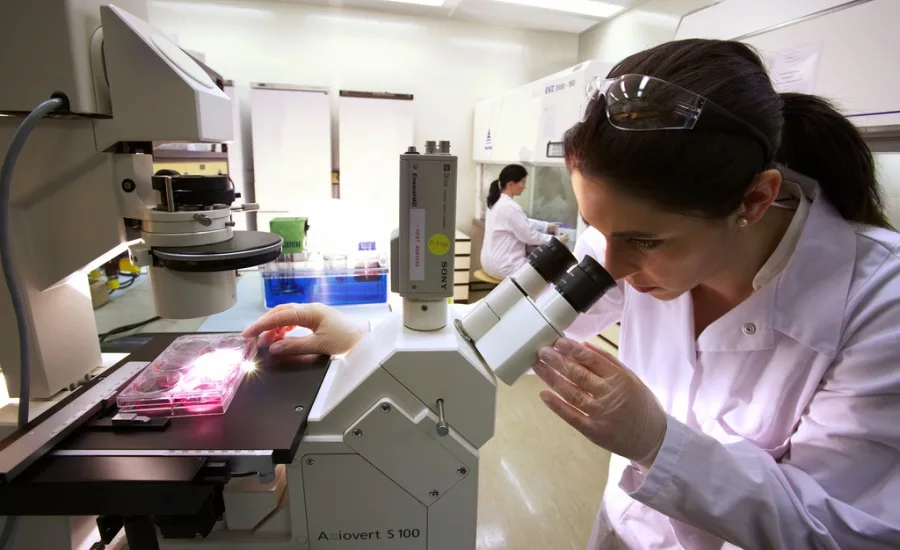
Nestle scientists at work
March 13, 2017

How does the Food Safety Modernization Act (and specifically Preventive Controls for Human Food) affect your Hazard Analysis Critical Control Point (HACCP), food safety plans and your Quality Control Laboratory?

First, let’s review the terms Quality Control (QC) and Quality Assurance (QC). QA programs provide a process to ensure that the correct things are being done in a proactive manner and continually looking for ways to improve quality. QC programs should focus on doing things correctly and reacting to defects in products.

Preventive Controls are risk-based, reasonably appropriate practices and processes that a person knowledgeable about the safe manufacturing, processing, packing or holding of food would employ to significantly minimize or prevent the hazards identified under the hazard analysis that are consistent with the current scientific understanding of safe food manufacturing, processing, packaging or holding at the time of analysis. The curriculum reviews process, food allergen, sanitation, supply chain and recall program preventive controls.

Assessing the environment for potential pathogens (such as Listeria and Salmonella) has been and will continue to be a critical measurement to assess food safety within facilities that manufacture, process, package and/or hold food.

Food quality, while not part of the food safety regulation, will continue to be important as a measure to delight consumers who use your product. Testing of ingredients/raw materials was previously done sporadically to keep track of a challenging supplier, or a critical ingredient. Under FSMA, manufacturers/processors need to identify hazards that require a preventive control, including an analysis to verify the safety of ingredients.

Validation is the scientific and technical evidence that a method or control measure is effective; verification is an evaluation to determine whether or not the control measure is operating as intended. This is important to consider when developing and implementing a food safety plan. For the QC laboratory, that includes ensuring the methods in use have been validated and verified when used in the monitoring of preventive controls. Using the above examples, ensuring the validated methods are used for pathogen environmental monitoring and the testing of a high risk, critical ingredient is crucial. For example, labs should use FDA BAM Methods, Standard Methods for the Examination of Dairy Products. Or if using a commercial test kit, you must ensure it has been validated through AOAC or equivalent.

ISO-certified laboratories will guarantee the methods used have been validated. Speak with them regarding their verification process for your environmental, ingredient and finished product samples.

Looking for quick answers on food safety topics?
Try Ask FSM, our new smart AI search tool.
Ask FSM →

Facilities, organization & personnel

Ensure that personnel have the education or experience to be qualified to the sampling, analysis or calibration of equipment. Make sure they are trained on and authorized to run methods. Evaluate their proficiency on a regular, predetermined basis. Additionally, there needs to be appropriate staffing to accomplish those food safety responsibilities within the laboratory, and you need to have clear re-test guidelines. If the monitoring of preventive controls includes laboratory analysis, then it should be included in the implementation of that preventive control.

Consider the location of the laboratory and controlling access to prevent laboratory errors, cross-contamination and cross-contact. Examine who has access to the laboratory, how they use the space and how samples flow through the laboratory.

If monitoring activities occur in the laboratory, is the environment temperature and humidity controlled? Are critical instruments connected to a battery backup? Do you have a cleaning and sanitation program implemented? Does it use the same color-coding program as the manufacturing facility to prevent both cross-contamination and cross contact?

Test and control articles

For your food safety plan, record all relevant information on samples taken for monitoring and/or verification. This includes the date the sample is taken, amount/volume, who is authorized to collect the sample, and where it is to be taken and stored. Are there positive and/or negative controls that need to be run as part of the method? If so, what is the frequency and intent? Will they be made internally or purchased? For samples being sent to a partner laboratory, properly preparing, storing and shipping the samples maintains integrity.

Recordkeeping plays a critical role in preventive controls and GLPs (good laboratory practices). Data and records need to have appropriate dates, all documents should be reviewed by a qualified individual, the access and retrieval of data should be controlled, and all procedures for controlling the records should be clearly documented

This article was originally posted on www.dairyfoods.com.

This article was originally posted on www.dairyfoods.com.

KEYWORDS: dairy food safety quality control

Share This Story

Nancy Eggink is the business development director at Mérieux NutriSciences (www.merieux nutrisciences.com). She is a member of International Association for Food Protection and serves as the vice-chair of IAFP’s Dairy Quality and Safety PDG.

Recommended Content

JOIN TODAY
to unlock your recommendations.

Already have an account? Sign In

  • people holding baby chicks

    Serovar Differences Matter: Utility of Deep Serotyping in Broiler Production and Processing

    This article discusses the significance of Salmonella in...
    Methods
    By: Nikki Shariat Ph.D.
  • woman washing hands

    Building a Culture of Hygiene in the Food Processing Plant

    Everyone entering a food processing facility needs to...
    Management
    By: Richard F. Stier, M.S.
  • graphical representation of earth over dirt

    Climate Change and Emerging Risks to Food Safety: Building Climate Resilience

    This article examines the multifaceted threats to food...
    Best Practices
    By: Maria Cristina Tirado Ph.D., D.V.M. and Shamini Albert Raj M.A.
Manage My Account
  • eMagazine Subscription
  • Subscribe to eNewsletter
  • Manage My Preferences
  • Website Registration
  • Subscription Customer Service

More Videos

Sponsored Content

Sponsored Content is a special paid section where industry companies provide high quality, objective, non-commercial content around topics of interest to the Food Safety Magazine audience. All Sponsored Content is supplied by the advertising company and any opinions expressed in this article are those of the author and not necessarily reflect the views of Food Safety Magazine or its parent company, BNP Media. Interested in participating in our Sponsored Content section? Contact your local rep!

close
  • Salmonella bacteria
    Sponsored byThermoFisher

    Food Microbiology Testing Methods: Salmonella species

  • a diagram explaining indicator organisms
    Sponsored byHygiena

    How Proactive Listeria Testing Helps Prevent Six- and Seven-Figure Recalls

  • woman grocery shopping
    Sponsored byCorbion

    Designing Safety Into Every Bite: Proactive Risk Mitigation for Refrigerated Foods

Popular Stories

NRTE breaded stuffed chicken

USDA Indefinitely Delays Enforcement of Salmonella as Adulterant in Raw Breaded, Stuffed Chicken

digital map of europe

EU Publishes Food Fraud Tool Mapping Thousands of Cases Since 2016

non-conforming product

How to Handle Non-Conforming Product

Events

December 11, 2025

How to Develop and Implement an Effective Food Defense Strategy

Live: December 11, 2025 at 2:00 pm EDT: From this webinar, attendees will learn common areas where companies encounter challenges in their food defense strategies and how to address them.

May 11, 2026

The Food Safety Summit

Stay informed on the latest food safety trends, innovations, emerging challenges, and expert analysis. Leave the Summit with actionable insights ready to drive measurable improvements in your organization. Do not miss this opportunity to learn from experts about contamination control, food safety culture, regulations, sanitation, supply chain traceability, and so much more.

View All

Products

Global Food Safety Microbial Interventions and Molecular Advancements

Global Food Safety Microbial Interventions and Molecular Advancements

See More Products

Related Articles

  • QA/QC and food safety technology for process improvement

    QA/QC and food safety technology for process improvement

    See More
  • QA/QC and process validation in cannabis edibles and beverages production

    QA/QC and process validation in cannabis edibles and beverages production

    See More

Related Products

See More Products
  • 9781138198463.jpg

    Food Safety Management Programs: Applications, Best Practices, and Compliance

  • 9781032369990 (1).webp

    Food Safety Quality Control and Management

  • 9781498721776.jpg

    Handbook of Food Processing: Food Safety, Quality, and Manufacturing Processes

See More Products

Related Directories

  • Cannabis Safety & Quality (CSQ)

    CSQ is a safety-driven company setting reliable cannabis industry standards to help companies minimize risk, protect their brand, and provide the best product for their consumers. CSQ is the first accredited cannabis certification program, and it was built in 2020 to meet ISO requirements and regulatory cannabis requirements from seed-to-sale.
  • SteraMist Disinfection

    SteraMist cold plasma ionized Hydrogen Peroxide (iHP) technology achieves quick disinfection without residues. SteraMist ensures rapid and efficient disinfection, protecting product quality and maximizing production time. SteraMist EPA-registered broad-spectrum disinfection solution minimizes the risk of cross-contamination by combatting a variety of microorganisms and mold. Learn more at SteraMist.com.
×

Never miss the latest news and trends driving the food safety industry

eNewsletter | Website | eMagazine

JOIN TODAY!
  • RESOURCES
    • Advertise
    • Contact Us
    • Directories
    • Store
    • Want More
  • SIGN UP TODAY
    • Create Account
    • eMagazine
    • eNewsletter
    • Customer Service
    • Manage Preferences
  • SERVICES
    • Marketing Services
    • Reprints
    • Market Research
    • List Rental
    • Survey/Respondent Access
  • STAY CONNECTED
    • LinkedIn
    • Facebook
    • Instagram
    • X (Twitter)
  • PRIVACY
    • PRIVACY POLICY
    • TERMS & CONDITIONS
    • DO NOT SELL MY PERSONAL INFORMATION
    • PRIVACY REQUEST
    • ACCESSIBILITY

Copyright ©2025. All Rights Reserved BNP Media.

Design, CMS, Hosting & Web Development :: ePublishing