Food Safety
search
Ask Food Safety AI
cart
facebook twitter linkedin
  • Sign In
  • Create Account
  • Sign Out
  • My Account
Food Safety
  • NEWS
    • Latest News
    • White Papers
  • PRODUCTS
  • TOPICS
    • Contamination Control
    • Food Types
    • Management
    • Process Control
    • Regulatory
    • Sanitation
    • Supply Chain
    • Testing and Analysis
  • PODCAST
  • EXCLUSIVES
    • Food Safety Five Newsreel
    • eBooks
    • FSM Distinguished Service Award
    • Interactive Product Spotlights
    • Videos
  • BUYER'S GUIDE
  • MORE
    • ENEWSLETTER >
      • Archive Issues
      • Subscribe to eNews
    • Store
    • Sponsor Insights
    • ASK FSM AI
  • WEBINARS
  • FOOD SAFETY SUMMIT
  • EMAG
    • eMagazine
    • Archive Issues
    • Editorial Advisory Board
    • Contact
    • Advertise
  • SIGN UP!
News

FDA Backtracks Claim that Soy Protein Reduces Heart Disease

October 31, 2017

Yesterday, the U.S. Food and Drug Administration (FDA) issued a press release announcing plans to revoke an existing health claim that soy protein can help to reduce the risk of coronary heart disease.

The statement, authored by Susan Mayne, director of the FDA’s Center for Food Safety and Applied Nutrition, said:

We’ve long recognized that some foods and nutrients can help reduce the risk of certain diseases or conditions. Since 1990, the FDA has been responsible for evaluating health claims on packaged foods to ensure that they are rooted in strong science. To date, we have authorized 12 such health claims, such as the effect of calcium and vitamin D in helping to lower the risk of osteoporosis or certain fruits and vegetables to lower the risk of cancer.

FDA-authorized health claims reflect well-established relationships based on the most robust level of scientific evidence. Today, we are proposing a rule to revoke a health claim for soy protein and heart disease. For the first time, we have considered it necessary to propose a rule to revoke a health claim because numerous studies published since the claim was authorized in 1999 have presented inconsistent findings on the relationship between soy protein and heart disease. This proposed action, which has undergone a thorough FDA review, underscores our commitment to providing consumers with information they can trust to make informed dietary choices.

While some evidence continues to suggest a relationship between soy protein and a reduced risk of heart disease – including evidence reviewed by the FDA when the claim was authorized – the totality of currently available scientific evidence calls into question the certainty of this relationship. For example, some studies, published after the FDA authorized the health claim, show inconsistent findings concerning the ability of soy protein to lower heart-damaging low-density lipoprotein (LDL) cholesterol. Our review of that evidence has led us to conclude that the relationship between soy protein and heart disease does not meet the rigorous standard for an FDA-authorized health claim.

Should the FDA finalize this rule, the agency intends to allow the use of a qualified health claim as long as there is sufficient evidence to support a link between eating soy protein and a reduced risk of heart disease. A qualified health claim, which requires a lower scientific standard of evidence than an authorized health claim, would allow industry to use qualifying language that explains the limited evidence linking consumption of soy protein with heart disease risk reduction.

We look forward to working with stakeholders and others interested in this topic throughout the rulemaking process and invite them to submit comments on the proposed rule. The comment period will be open for 75 days, at which time we will consider the comments received along with the existing information we have to determine whether to proceed with final rulemaking. In the meantime, manufacturers will be allowed to keep the current authorized claim on their products until the agency makes a final decision.

For consumers who have questions about eating soy products, we recommend they continue to follow advice from the 2015-2020 Dietary Guidelines, which state that a healthy eating pattern can include soy beverages and a variety of protein foods, including soy products. We note that the authorized health claim at issue addresses only soy protein and reduced risk of coronary heart disease. Other purported health benefits of soy or soy-derived food ingredients (such as soybean oil) are not addressed as part of this proposed rule.

Sign up for Food Safety Magazine’s bi-weekly emails!

Subscribe to our podcast: Food Safety Matters!


Author(s): Staff

Looking for quick answers on food safety topics?
Try Ask FSM, our new smart AI search tool.
Ask FSM →


Share This Story

Recommended Content

JOIN TODAY
to unlock your recommendations.

Already have an account? Sign In

  • people holding baby chicks

    Serovar Differences Matter: Utility of Deep Serotyping in Broiler Production and Processing

    This article discusses the significance of Salmonella in...
    Contamination Control
    By: Nikki Shariat Ph.D.
  • woman washing hands

    Building a Culture of Hygiene in the Food Processing Plant

    Everyone entering a food processing facility needs to...
    Sanitation
    By: Richard F. Stier, M.S.
  • graphical representation of earth over dirt

    Climate Change and Emerging Risks to Food Safety: Building Climate Resilience

    This article examines the multifaceted threats to food...
    Best Practices
    By: Maria Cristina Tirado Ph.D., D.V.M. and Shamini Albert Raj M.A.
Manage My Account
  • eMagazine Subscription
  • Subscribe to eNewsletter
  • Manage My Preferences
  • Website Registration
  • Subscription Customer Service

More Videos

Sponsored Content

Sponsored Content is a special paid section where industry companies provide high quality, objective, non-commercial content around topics of interest to the Food Safety Magazine audience. All Sponsored Content is supplied by the advertising company and any opinions expressed in this article are those of the author and not necessarily reflect the views of Food Safety Magazine or its parent company, BNP Media. Interested in participating in our Sponsored Content section? Contact your local rep!

close
  • Salmonella bacteria
    Sponsored byThermoFisher

    Food Microbiology Testing Methods: Salmonella species

  • a diagram explaining indicator organisms
    Sponsored byHygiena

    How Proactive Listeria Testing Helps Prevent Six- and Seven-Figure Recalls

  • woman grocery shopping
    Sponsored byCorbion

    Designing Safety Into Every Bite: Proactive Risk Mitigation for Refrigerated Foods

Popular Stories

NRTE breaded stuffed chicken

USDA Indefinitely Delays Enforcement of Salmonella as Adulterant in Raw Breaded, Stuffed Chicken

non-conforming product

How to Handle Non-Conforming Product

spoonfuls of food ingredients

FDA’s Developing Rule to Tighten GRAS Oversight Moves to White House

Events

December 11, 2025

How to Develop and Implement an Effective Food Defense Strategy

Live: December 11, 2025 at 2:00 pm EDT: From this webinar, attendees will learn common areas where companies encounter challenges in their food defense strategies and how to address them.

May 11, 2026

The Food Safety Summit

Stay informed on the latest food safety trends, innovations, emerging challenges, and expert analysis. Leave the Summit with actionable insights ready to drive measurable improvements in your organization. Do not miss this opportunity to learn from experts about contamination control, food safety culture, regulations, sanitation, supply chain traceability, and so much more.

View All

Products

Global Food Safety Microbial Interventions and Molecular Advancements

Global Food Safety Microbial Interventions and Molecular Advancements

See More Products

Related Articles

  • FSIS Pushes Back Against Claim that Inspector Shortage Will Mean More Recalls

    See More
  • white powder with fda logo overlay

    FDA Prevention Strategy to Enhance Infant Formula Food Safety Supports Elevating Cronobacter Infection to Nationally Notifiable Disease

    See More

Related Products

See More Products
  • 1119258073.jpg

    FSMA and Food Safety Systems: Understanding and Implementing the Rules

  • 1119160553.jpg

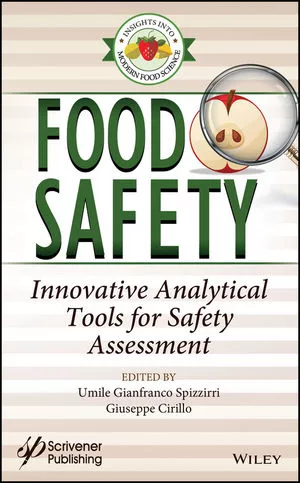
    Food Safety: Innovative Analytical Tools for Safety Assessment

See More Products

Related Directories

  • AMSRA Consulting

    AMSRA Consulting provides expert regulatory and quality consulting for emerging food and supplement brands. We specialize in FDA compliance, labeling and claims, FSMA & FSVP compliance, and quality assurance. Built on integrity, respect, and dependability, we help brands ensure safety, compliance, and market success.
  • Page & Pedersen International Ltd.

    P&P makes reliable analytical instruments for food safety and quality testing. Also supplying certiified calibration standards for milk composition analyzers and cryoscopes. LactiWhey for rapid fat & protein results, LactiCheck Analyzers test for fat, protein, solids, lactose (raw and processed milk) (Freezing-Point Cryoscopes) to tesy extraneous water in milk, moisture levels in cheese/yogurt (Halogen Infrared Moisture Analyzer) or see Somatic Cell Counts (automated image cytometry).
×

Never miss the latest news and trends driving the food safety industry

eNewsletter | Website | eMagazine

JOIN TODAY!
  • RESOURCES
    • Advertise
    • Contact Us
    • Directories
    • Store
    • Want More
  • SIGN UP TODAY
    • Create Account
    • eMagazine
    • eNewsletter
    • Customer Service
    • Manage Preferences
  • SERVICES
    • Marketing Services
    • Reprints
    • Market Research
    • List Rental
    • Survey/Respondent Access
  • STAY CONNECTED
    • LinkedIn
    • Facebook
    • Instagram
    • X (Twitter)
  • PRIVACY
    • PRIVACY POLICY
    • TERMS & CONDITIONS
    • DO NOT SELL MY PERSONAL INFORMATION
    • PRIVACY REQUEST
    • ACCESSIBILITY

Copyright ©2025. All Rights Reserved BNP Media.

Design, CMS, Hosting & Web Development :: ePublishing