Food Safety
search
Ask Food Safety AI
cart
facebook twitter linkedin instagram youtube
  • Sign In
  • Create Account
  • Sign Out
  • My Account
Food Safety
  • NEWS
    • Latest News
    • Sponsored Insights
    • Sponsored White Papers
  • PRODUCTS
  • TOPICS
    • Contamination Control
    • Food Types
    • Management
    • Process Control
    • Regulatory
    • Sanitation
    • Supply Chain
    • Testing and Analysis
  • PODCAST
  • EXCLUSIVES
    • Food Safety Five Newsreel
    • eBooks
    • FSM Distinguished Service Award
    • Interactive Product Spotlights
    • Videos
  • BUYER'S GUIDE
  • MORE
    • NEWSLETTERS >
      • Archive Issues
      • Subscribe to eNews
    • Store
    • ASK FSM AI
  • WEBINARS
  • FOOD SAFETY SUMMIT
  • EMAG
    • eMagazine
    • Archive Issues
    • Editorial Advisory Board
    • Contact
    • Advertise
  • SIGN UP!
News

FDA Announces Three Waivers to Sanitary Transportation Rule

2d73a069 823a 44b5 94348515227f8c4f
April 5, 2017

Source: FDA

When the Sanitary Transportation of Human and Animal Food rule was proposed, the U.S. Food and Drug Administration (FDA) said it intended to waive the rule’s requirements in certain cases in which they would not be needed to further protect foods from becoming unsafe.

Today, the FDA announced the publication of three waivers to the now final Sanitary Transportation rule mandated by the FDA Food Safety Modernization Act (FSMA).

The waivers are for businesses whose transportation operations are subject to separate State-Federal controls. They include:

  • Businesses holding valid permits that are inspected under the National Conference on Interstate Milk Shipments’ Grade “A” Milk Safety Program, only when transporting Grade “A” milk and milk products.
  • Food establishments authorized by the regulatory authority to operate when engaged as receivers, or as shippers and carriers in operations in which food is delivered directly to consumers, or to other locations the establishments or affiliates operate that serve or sell food directly to consumers. (Examples include restaurants, supermarkets and home grocery delivery services.)
  • Businesses transporting molluscan shellfish (such as oysters, clams, mussels or scallops) that are certified and inspected under the requirements established by the Interstate Shellfish Sanitation Conference’s (ISSC) National Shellfish Sanitation Program (NSSP) and that transport the shellfish in vehicles permitted under ISSC authority.

The FSMA rule on Sanitary Transportation of Human and Animal Food is part of the FDA’s effort to protect foods from farm to table by keeping them safe from contamination during transportation. The rule establishes requirements for shippers, loaders, carriers by motor or rail vehicle, and receivers involved in transporting human and animal food.

These waivers are being published after being described in the proposed and final rule. FDA considered comments on the waivers and found that the waivers would not result in the transportation of food under conditions that would be unsafe for human or animal health, or contrary to the public interest.

More information regarding the Sanitary Transportation rule (including a discussion of the comments we received on these waivers), and any of the FSMA provisions, is available at FDA.gov.

Sign up for Food Safety Magazine&rsquos bi-weekly emails!


Author(s): Staff

Looking for quick answers on food safety topics?
Try Ask FSM, our new smart AI search tool.
Ask FSM →


Share This Story

Recommended Content

JOIN TODAY
to unlock your recommendations.

Already have an account? Sign In

  • people holding baby chicks

    Serovar Differences Matter: Utility of Deep Serotyping in Broiler Production and Processing

    This article discusses the significance of Salmonella in...
    Food Type
    By: Nikki Shariat Ph.D.
  • woman washing hands

    Building a Culture of Hygiene in the Food Processing Plant

    Everyone entering a food processing facility needs to...
    Facilities
    By: Richard F. Stier, M.S.
  • graphical representation of earth over dirt

    Climate Change and Emerging Risks to Food Safety: Building Climate Resilience

    This article examines the multifaceted threats to food...
    Best Practices
    By: Maria Cristina Tirado Ph.D., D.V.M. and Shamini Albert Raj M.A.
Manage My Account
  • eMagazine Subscription
  • Subscribe to Newsletters
  • Manage My Preferences
  • Website Registration
  • Subscription Customer Service

More Videos

Sponsored Content

Sponsored Content is a special paid section where industry companies provide high quality, objective, non-commercial content around topics of interest to the Food Safety Magazine audience. All Sponsored Content is supplied by the advertising company and any opinions expressed in this article are those of the author and not necessarily reflect the views of Food Safety Magazine or its parent company, BNP Media. Interested in participating in our Sponsored Content section? Contact your local rep!

close
  • Man In Warehouse
    Sponsored byRentokil

    Mitigating Hidden Rodent Risks in Food Facilities

  • an industrial manufacturing or processing facility
    Sponsored bybioMérieux

    Get Ahead of Spoilage in Food Manufacturing with Metagenomics for Preventive Monitoring

  • an automated industrial production line used in a modern food factory
    Sponsored byIFC

    A Formula for Food Processing Pest Management

Popular Stories

dozen white eggs

Nearly 100 Sick in Multistate Salmonella Outbreak, Millions of Eggs Recalled

Business people shaking hands with FDA logo overlay

FDA to Centralize Administrative Functions, Generalize Inspectors

packaged sesame seed buns

FDA's Allergen Agenda Is Expanding: Thresholds, Gluten Cross-Contact, and What Food Companies Should Watch for Next

building a skilled workforce ebook

Events

August 6, 2026

Beyond Sanitation: Understanding the Hidden System Conditions That Allow Pathogens to Persist

Live: August 6, 2026 at 2:00 pm EDT: Attend this webinar to learn strategies for strengthening environmental control programs through a layered approach to pathogen management.

August 11, 2026

Beyond Sanitization: Reducing Contamination Risk Without Raising Operating Cost

Live: August 11, 2026 at 2:00 pm EDT: Attend this webinar to learn why ambient air is the largest and most overlooked contamination zone in food processing, and what it costs you between scheduled cleans.

August 25, 2026

Don’t Wing It: Bird Control for Food Processing Facilities

Live: August 25, 2026 at 2:00 pm EDT: This webinar will cover why managing bird activity should be a priority for your business, the complexities involved in effective bird control, and proactive strategies to help protect your facility.

View All

Products

Global Food Safety Microbial Interventions and Molecular Advancements

Global Food Safety Microbial Interventions and Molecular Advancements

See More Products

Related Articles

  • Moving from Uneasiness to Confidence under the Sanitary Transportation Rule

    See More
  • New FDA Guidance Document Clarifies FSMA’s Sanitary Transportation Rule

    See More
  • FDA Schedules Third Public Meeting on Sanitary Transportation Proposed Rule

    See More

Related Products

See More Products
  • 1119258073.jpg

    FSMA and Food Safety Systems: Understanding and Implementing the Rules

  • 1118396308.jpg

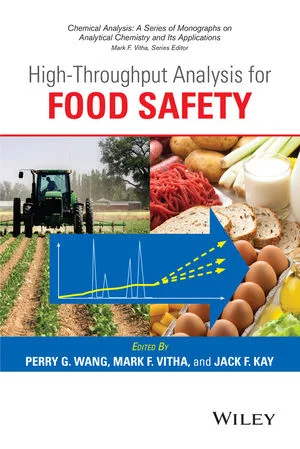
    High Throughput Analysis for Food Safety

  • 0813808774.jpg

    Improving Import Food Safety

See More Products

Related Directories

  • New Era Partners

    New Era Partners enables you to cut through the complexity of the FDA’s Food Traceability Rule and understand the operational impact so you can focus on compliance. Who better to help you navigate the rule than former FDA traceability expert Andy Kennedy and compliance expert Matt Regusci? We guide you in finding a path to compliance that best suits your operations.
  • iFoodDS

    iFoodDS provides connected traceability, quality, and food safety solutions that help food companies deliver safe, fresh, high-quality products to consumers. Its solutions give organizations greater visibility into their supply chains, modernize inspection processes, reduce food waste, and optimize inventory quality. Through its Trace Exchange™ platform and TraceApproved™ traceability readiness program, iFoodDS helps food companies and their suppliers navigate the complexities of FDA’s Food Traceability Rule and streamline the path to FSMA 204 compliance.
×

Never miss the latest news and trends driving the food safety industry

Newsletters | Website | eMagazine

JOIN TODAY!
  • RESOURCES
    • Advertise
    • Contact Us
    • Directories
    • Store
    • Want More
  • SIGN UP TODAY
    • Create Account
    • eMagazine
    • Newsletters
    • Customer Service
    • Manage Preferences
  • SERVICES
    • Marketing Services
    • Reprints
    • Market Research
    • List Rental
    • Survey/Respondent Access
  • STAY CONNECTED
    • LinkedIn
    • Facebook
    • Instagram
    • X (Twitter)
  • PRIVACY
    • PRIVACY POLICY
    • TERMS & CONDITIONS
    • DO NOT SELL MY PERSONAL INFORMATION
    • PRIVACY REQUEST
    • ACCESSIBILITY

Copyright ©2026. All Rights Reserved BNP Media, Inc. and BNP Media II, LLC.

Design, CMS, Hosting & Web Development :: ePublishing