Food Safety
search
Ask Food Safety AI
cart
facebook twitter linkedin
  • Sign In
  • Create Account
  • Sign Out
  • My Account
Food Safety
  • NEWS
    • Latest News
    • White Papers
  • PRODUCTS
  • TOPICS
    • Contamination Control
    • Food Types
    • Management
    • Process Control
    • Regulatory
    • Sanitation
    • Supply Chain
    • Testing and Analysis
  • PODCAST
  • EXCLUSIVES
    • Food Safety Five Newsreel
    • eBooks
    • FSM Distinguished Service Award
    • Interactive Product Spotlights
    • Videos
  • BUYER'S GUIDE
  • MORE
    • ENEWSLETTER >
      • Archive Issues
      • Subscribe to eNews
    • Store
    • Sponsor Insights
    • ASK FSM AI
  • WEBINARS
  • FOOD SAFETY SUMMIT
  • EMAG
    • eMagazine
    • Archive Issues
    • Editorial Advisory Board
    • Contact
    • Advertise
  • SIGN UP!
News

Peanut Corporation of America Plant Manager Pleads Guilty

May 9, 2014

Source: Miami Herald / Associated Press

The former manager of a peanut processing plant in Georgia that was linked to a deadly salmonella outbreak five years ago pleaded guilty Wednesday to seven criminal counts, including fraud.

Samuel Lightsey was the manager of Peanut Corporation of America's plant in Blakely, Georgia, when an outbreak of salmonella traced to the company's peanuts killed nine people and sickened hundreds in 2009. Lightsey and three others were later charged with scheming to manufacture and ship tainted peanuts.

Lightsey faces a possible fine of up to $250,000 and maximum prison terms of one to 20 years on each of the seven charges. Prosecutors recommended in a plea agreement that Lightsey serve no more than six years in prison. He will be sentenced at a later date.

Also charged in the case are Peanut Corporation owner Stewart Parnell, his food broker brother Michael Parnell, and Georgia plant quality assurance manager Mary Wilkerson.

The salmonella outbreak caused one of the largest recalls in history and prompted the government to file criminal charges, rarely pursued in food poisoning cases because intentional contamination is hard to prove.

The company's dirty processing plants were blamed for the outbreak that killed nine people and sickened hundreds. One plant was in Plainview, Texas, which the State Department of Health Services closed Feb. 10, 2009, after product samples tested positive for salmonella.

Looking for quick answers on food safety topics?
Try Ask FSM, our new smart AI search tool.
Ask FSM →

Food and Drug Administration inspectors found bad conditions inside the processing plant in Blakely, including mold, roaches and a leaky roof. According to email uncovered by congressional investigators shortly after the outbreak, Parnell, who invoked the Fifth Amendment to avoid testifying before Congress in February 2009, once directed employees to "turn them loose" after samples of peanuts had tested positive for salmonella and were then cleared in another test.

The indictment unsealed in February 2013 says the company misled its customers about the existence of salmonella in its product, even when lab tests showed it was present. It says the co-workers even fabricated certificates accompanying some of the peanut shipments saying they were safe when tests said otherwise.

The company later went bankrupt.

The 76-count indictment charges the Parnell brothers and Lightsey with conspiracy, mail fraud, wire fraud and the introduction of adulterated and misbranded food into interstate commerce with the intent to defraud or mislead. Stewart Parnell, Lightsey and Wilkerson were also charged with obstruction of justice.



Read more here: http://www.miamiherald.com/2014/05/08/4105168/man-pleads-guilty-in-salmonella.html?utm_source=feedburner&utm_medium=email&utm_campaign=Feed%3A+FoodSafetyNewsFeed+%28Food+Safety+News+Feed%29#storylink=cpy

Share This Story

Recommended Content

JOIN TODAY
to unlock your recommendations.

Already have an account? Sign In

  • people holding baby chicks

    Serovar Differences Matter: Utility of Deep Serotyping in Broiler Production and Processing

    This article discusses the significance of Salmonella in...
    Food Type
    By: Nikki Shariat Ph.D.
  • woman washing hands

    Building a Culture of Hygiene in the Food Processing Plant

    Everyone entering a food processing facility needs to...
    Training
    By: Richard F. Stier, M.S.
  • graphical representation of earth over dirt

    Climate Change and Emerging Risks to Food Safety: Building Climate Resilience

    This article examines the multifaceted threats to food...
    Management
    By: Maria Cristina Tirado Ph.D., D.V.M. and Shamini Albert Raj M.A.
Manage My Account
  • eMagazine Subscription
  • Subscribe to eNewsletter
  • Manage My Preferences
  • Website Registration
  • Subscription Customer Service

More Videos

Sponsored Content

Sponsored Content is a special paid section where industry companies provide high quality, objective, non-commercial content around topics of interest to the Food Safety Magazine audience. All Sponsored Content is supplied by the advertising company and any opinions expressed in this article are those of the author and not necessarily reflect the views of Food Safety Magazine or its parent company, BNP Media. Interested in participating in our Sponsored Content section? Contact your local rep!

close
  • Salmonella bacteria
    Sponsored byThermoFisher

    Food Microbiology Testing Methods: Salmonella species

  • a diagram explaining indicator organisms
    Sponsored byHygiena

    How Proactive Listeria Testing Helps Prevent Six- and Seven-Figure Recalls

  • woman grocery shopping
    Sponsored byCorbion

    Designing Safety Into Every Bite: Proactive Risk Mitigation for Refrigerated Foods

Popular Stories

NRTE breaded stuffed chicken

USDA Indefinitely Delays Enforcement of Salmonella as Adulterant in Raw Breaded, Stuffed Chicken

spoonfuls of food ingredients

FDA’s Developing Rule to Tighten GRAS Oversight Moves to White House

non-conforming product

How to Handle Non-Conforming Product

Events

December 11, 2025

How to Develop and Implement an Effective Food Defense Strategy

Live: December 11, 2025 at 2:00 pm EDT: From this webinar, attendees will learn common areas where companies encounter challenges in their food defense strategies and how to address them.

May 11, 2026

The Food Safety Summit

Stay informed on the latest food safety trends, innovations, emerging challenges, and expert analysis. Leave the Summit with actionable insights ready to drive measurable improvements in your organization. Do not miss this opportunity to learn from experts about contamination control, food safety culture, regulations, sanitation, supply chain traceability, and so much more.

View All

Products

Global Food Safety Microbial Interventions and Molecular Advancements

Global Food Safety Microbial Interventions and Molecular Advancements

See More Products

Related Articles

  • Guilty Verdicts for Defendants in Peanut Corp. of America Trial

    See More
  • Peanut Corp. of America

    The impact of Peanut Corporation of America's criminal convictions

    See More
  • Meat Plant Owner and HACCP Manager Plead Guilty to Falsifying E. coli Test Results

    See More

Related Products

See More Products
  • 1444333348.jpg

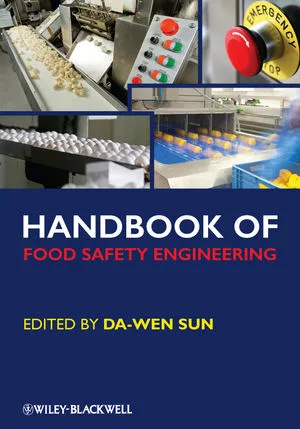
    Handbook of Food Safety Engineering

  • 9781498721776.jpg

    Handbook of Food Processing: Food Safety, Quality, and Manufacturing Processes

  • 0813808774.jpg

    Improving Import Food Safety

See More Products

Related Directories

  • Schubert North America LLC

    Schubert is a global leader in top-loading packaging systems, expertly engineered to handle a wide variety of products—whether in trays, cartons, boxes, or flow-wrap bags. As a family-owned company, Schubert delivers future-ready solutions that are easy to operate, quick to adapt to new formats, and built for high performance with long-term reliability.
  • CEJN North America

    High-performance F&B equipment for food safety, washdown and blow-off applications, and, now, introducing the First Metal/X-Ray-Detectable Plastic blow gun on the market- the 208 Detect- made from food grade plastic, reducing the risks of accidental contamination, product rejections, expensive recalls, and waste. Made from food-grade, detectable plastic, 208 Detect and in compliance with Reg. (EC) No 1935/2004 and FDA CFR 21.170-199.
×

Never miss the latest news and trends driving the food safety industry

eNewsletter | Website | eMagazine

JOIN TODAY!
  • RESOURCES
    • Advertise
    • Contact Us
    • Directories
    • Store
    • Want More
  • SIGN UP TODAY
    • Create Account
    • eMagazine
    • eNewsletter
    • Customer Service
    • Manage Preferences
  • SERVICES
    • Marketing Services
    • Reprints
    • Market Research
    • List Rental
    • Survey/Respondent Access
  • STAY CONNECTED
    • LinkedIn
    • Facebook
    • Instagram
    • X (Twitter)
  • PRIVACY
    • PRIVACY POLICY
    • TERMS & CONDITIONS
    • DO NOT SELL MY PERSONAL INFORMATION
    • PRIVACY REQUEST
    • ACCESSIBILITY

Copyright ©2025. All Rights Reserved BNP Media.

Design, CMS, Hosting & Web Development :: ePublishing