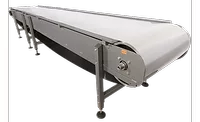
Food Safety
search
Ask Food Safety AI
cart
facebook twitter linkedin instagram youtube
  • Sign In
  • Create Account
  • Sign Out
  • My Account
Food Safety
  • NEWS
    • Latest News
    • White Papers
  • PRODUCTS
  • TOPICS
    • Contamination Control
    • Food Types
    • Management
    • Process Control
    • Regulatory
    • Sanitation
    • Supply Chain
    • Testing and Analysis
  • PODCAST
  • EXCLUSIVES
    • Food Safety Five Newsreel
    • eBooks
    • FSM Distinguished Service Award
    • Interactive Product Spotlights
    • Videos
  • BUYER'S GUIDE
  • MORE
    • NEWSLETTERS >
      • Archive Issues
      • Subscribe to eNews
    • Store
    • Sponsor Insights
    • ASK FSM AI
  • WEBINARS
  • FOOD SAFETY SUMMIT
  • EMAG
    • eMagazine
    • Archive Issues
    • Editorial Advisory Board
    • Contact
    • Advertise
  • SIGN UP!

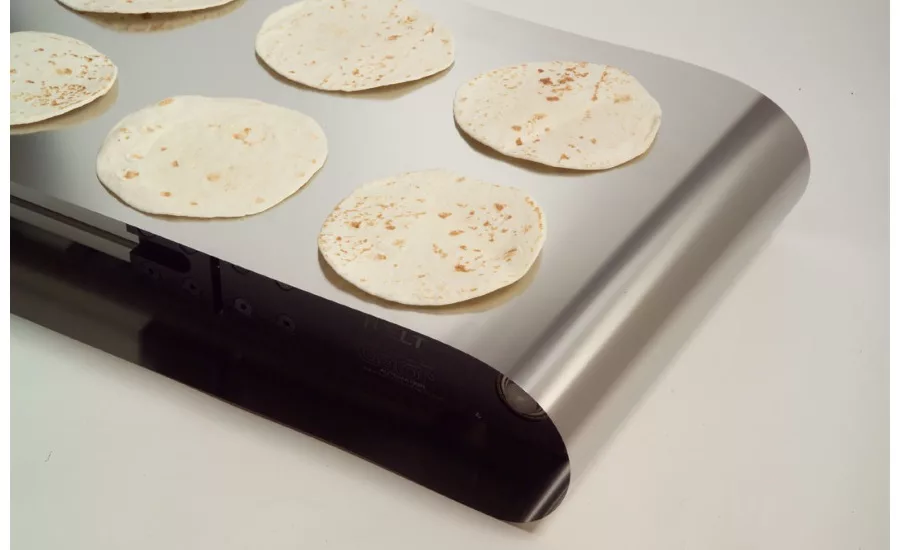
Solid stainless steel belts and conveyor systems reduce food processing contamination

An effective solution to reduce food recalls and increase consumer safety
Solid stainless steel belts and conveyor systems reduce food processing contamination
May 28, 2020

The food processing industry is ripe with product recalls, most often due to bacterial contaminants that spread through poorly inspected product or because of product contamination by dirty processing equipment. With widespread coronavirus concerns, especially in meat processing plants, there is a stronger demand than ever for safer, more hygienic practices throughout the food industry. Belt Technologies, Inc., manufacturer of custom metal belt conveyor solutions and conveyor systems for more than five decades, provides a hygienic solution: solid stainless steel belts and conveyor systems.

“Product recalls can be devastating for manufacturers and consumers,” said Mike Loomer, business development manager for the Americas. “And inferior equipment materials, such as plastic or rubber conveyor belts, can represent a needless risk to product quality. Incorporating stainless steel components into food processing equipment reduces such risk.”

Loomer explained that due to aging and repeated use, plastic and rubber belts can fray and generate particulates that can directly contaminate food, and are also susceptible to physical damage including pits, divots and cracks where chemicals, allergens or contagions can fester. They can also outgas (emit fumes), affecting food flavor. In comparison, solid stainless steel conveyor systems provide hygienic surfaces that are more sanitary and do not affect food quality.

“Metal conveyor belts do not require lubrication and do not outgas, so there is no risk to product flavor,” said Loomer. “Their solid, non-porous surface is resistant to bacteria, providing an overall cleaner surface area for transporting edible materials. They are also much easier to clean and sanitize.”

Because endless metal belts are resistant to high temperatures and corrosion, the conveyor systems can easily be cleaned with chlorine, high-pressure steam or most other washing methods. Stainless steel can also handle extreme temperatures, making it ideal to use in cooking or freezing processes.

“The use of stainless steel belts in an automated food processing system helps guarantee sanitary, efficient and reliable product quality results,” said Loomer. “Our engineers can design metal belts to fit into and upgrade an existing automated food processing system, or help fabricate a custom solution. Endless metal belts consistently deliver exceptional results in the safe cooking, freezing and handling of edible products any time, but especially in response to today’s heightened hygiene concerns.”

In addition to the food processing industry, Belt Technologies’ sophisticated engineering, advanced manufacturing processes, and unlimited custom designs can suit any application. For more information, visit belttechnologies.com.

Looking for quick answers on food safety topics?
Try Ask FSM, our new smart AI search tool.
Ask FSM →


KEYWORDS: conveyors steel belt

Share This Story

Recommended Content

JOIN TODAY
to unlock your recommendations.

Already have an account? Sign In

  • people holding baby chicks

    Serovar Differences Matter: Utility of Deep Serotyping in Broiler Production and Processing

    This article discusses the significance of Salmonella in...
    Food Type
    By: Nikki Shariat Ph.D.
  • woman washing hands

    Building a Culture of Hygiene in the Food Processing Plant

    Everyone entering a food processing facility needs to...
    Training
    By: Richard F. Stier, M.S.
  • graphical representation of earth over dirt

    Climate Change and Emerging Risks to Food Safety: Building Climate Resilience

    This article examines the multifaceted threats to food...
    Management
    By: Maria Cristina Tirado Ph.D., D.V.M. and Shamini Albert Raj M.A.
Manage My Account
  • eMagazine Subscription
  • Subscribe to Newsletters
  • Manage My Preferences
  • Website Registration
  • Subscription Customer Service

More Videos

Sponsored Content

Sponsored Content is a special paid section where industry companies provide high quality, objective, non-commercial content around topics of interest to the Food Safety Magazine audience. All Sponsored Content is supplied by the advertising company and any opinions expressed in this article are those of the author and not necessarily reflect the views of Food Safety Magazine or its parent company, BNP Media. Interested in participating in our Sponsored Content section? Contact your local rep!

close
  • This image displays a multi-stage water filtration system designed to remove contaminants from drinking water.
    Sponsored byWaterdrop Filter

    The 4.0 ppt Era: Future-Proofing Your Food Supply Chain Against "Forever Chemicals"

  • The image displays a bottling plant production line, commonly used in the beverage industry for filling and packaging soft drinks.
    Sponsored byBIOIONIX

    Sustainability with ROI: A Beverage Producer Case Study in Water Savings

  • factory
    Sponsored byIFC

    A Clean Break to Reset the Environment with Chlorine Dioxide

Popular Stories

workers and inspector in processing facility

Gearing Up for an FDA Inspection

woman looking at box of packaged food in grocery store seeming pensive

RFK Jr. Says Federal Ultra-Processed Foods Definition is Coming in April

magnifying glass hovering over question mark on yellow background

FDA Redacts All Key Details in Summary of Fatal Listeriosis Outbreak Linked to Produce

Events

March 26, 2026

Continuous Pathogen Control: Enhancing Sanitation and Environmental Monitoring in Food Processing

Live: March 26, 2026, at 2:00 pm EST: This session explores the role of continuous airborne pathogen control technology in supporting sanitation and environmental monitoring programs within food processing environments.

March 31, 2026

Regulatory Risk, Ingredient Safety, and GRAS: What Companies Need to Act on Now

Live: March 31, 2026, at 11:00 am EDT: From this webinar, attendees will recognize patterns in food policy affecting dietary guidelines, UPFs, state legislative actions, and expected GRAS reform.

April 8, 2026

Foreign Material Contamination: Why In-Line Reinspection Isn't Enough

Live: April 8, 2026, at 11:00 am EDT: From this webinar, attendees will learn why reinspecting with in-line equipment is not sufficient when it comes to potential foreign material contamination.

View All

Products

Global Food Safety Microbial Interventions and Molecular Advancements

Global Food Safety Microbial Interventions and Molecular Advancements

See More Products

Related Articles

  • Legrand Adds New Stainless Steel Safety Switches for Food & Beverage Processing

    See More
  • Goudsmit Magnetics pipe magnet

    New Compact 12,000 Gauss Pipe Magnet Separator in Stainless Steel Housing for Food Industry

    See More
  • In the Food Plant: Danger of Corrosion when Welding Stainless Steel

    See More

Related Products

See More Products
  • 9781498721776.jpg

    Handbook of Food Processing: Food Safety, Quality, and Manufacturing Processes

  • 1119258073.jpg

    FSMA and Food Safety Systems: Understanding and Implementing the Rules

  • food safety.jpg

    Food Safety Contaminants and Risk Assessment

See More Products

Events

View AllSubmit An Event
  • March 26, 2026

    Continuous Pathogen Control: Enhancing Sanitation and Environmental Monitoring in Food Processing

    Live: March 26, 2026, at 2:00 pm EST: This session explores the role of continuous airborne pathogen control technology in supporting sanitation and environmental monitoring programs within food processing environments.
View AllSubmit An Event

Related Directories

  • Black Forest Container Systems LLC

    Black Forest Container Systems is the leading distributor in North America of closed loop custom equipment and multi-trip stainless steel packaging systems. Stainless steel containers, tanks and vessels for process, storage and transport. Rental program available.
  • Statco - DSI Process Systems

    Statco-DSI is the leader in the sales and service of sanitary equipment for the food, dairy and beverage industries, including sanitation equipment such as CIP/COP systems, hose stations, tunnel washers, sampling devices, and a wide variety of instrumentation to monitor processing lines and tanks.
×

Never miss the latest news and trends driving the food safety industry

Newsletters | Website | eMagazine

JOIN TODAY!
  • RESOURCES
    • Advertise
    • Contact Us
    • Directories
    • Store
    • Want More
  • SIGN UP TODAY
    • Create Account
    • eMagazine
    • Newsletters
    • Customer Service
    • Manage Preferences
  • SERVICES
    • Marketing Services
    • Reprints
    • Market Research
    • List Rental
    • Survey/Respondent Access
  • STAY CONNECTED
    • LinkedIn
    • Facebook
    • Instagram
    • X (Twitter)
  • PRIVACY
    • PRIVACY POLICY
    • TERMS & CONDITIONS
    • DO NOT SELL MY PERSONAL INFORMATION
    • PRIVACY REQUEST
    • ACCESSIBILITY

Copyright ©2026. All Rights Reserved BNP Media, Inc. and BNP Media II, LLC.

Design, CMS, Hosting & Web Development :: ePublishing