Iowa Tells Farmers to Protect Livestock, Test Soil Ahead of Army’s Planned Lead Ammo Detonation
The U.S. Army is set to detonate degraded lead azide at the Iowa Army Ammunition Plant in Middletown, Iowa on Monday, November 23, which the Army anticipates will elevate the level of lead particles in the air.
Lead is a toxic heavy metal with long-term, low-level exposure linked to neurodevelopmental and cognitive effects. Acute, high-level exposure can result in lead poisoning.
The detonation was originally scheduled for Friday, November 20, but was delayed due to public pushback and short notice leaving Iowans feeling as if they did not have enough time to prepare. Iowa Governor Kim Reynolds said her office had only been made aware of the planned detonation on Monday, November 16.
While Middletown residents and workers are being advised to avoid the area during the planned detonation period and/or take other measures to protect themselves from the “air plume with some lead-containing particles,” the Iowa Department of Agriculture (IDA) is also advising farmers to take certain precautions to protect their animals and land.
Testing Soil and Livestock for Lead Before Detonation
IDA is suggesting that, before the detonation, livestock producers located near Middletown, Iowa ask the U.S. Army to take baseline soil and forage samples from their farms, or consider collecting their own samples. Iowa State University Extension and Outreach offers resources on how to obtain and use a soil test kit.
Farmers are also encouraged to ask their veterinarians whether they should baseline test their livestock for lead prior to detonation.
Keep Livestock, Feed, Equipment Offsite or Indoors
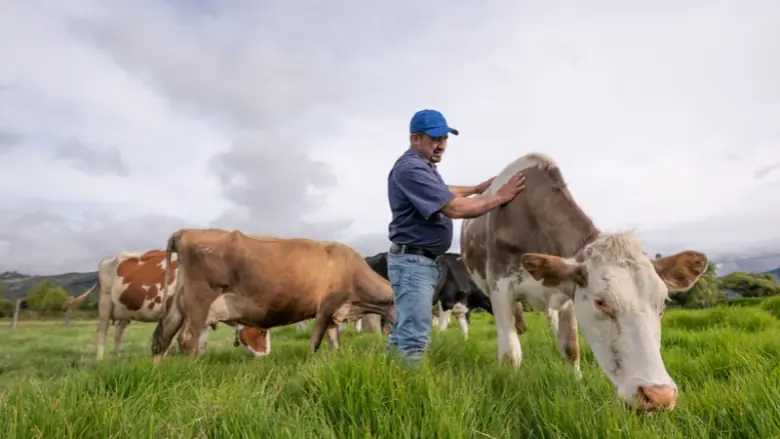
Importantly, farmers are encouraged to keep their livestock at an alternate location, if possible, or indoors until the air plume has passed the area. If livestock cannot be relocated, they should be kept in a barn, machine shed, or shelter, with doors and windows shut, if feasible.
Livestock trailers, medical supplies, grooming supplies, and other farm equipment should also be moved to an alternate location or inside a barn, machine shed, or shelter. It is also advised to move feed, hay bales, and portable water tanks indoors to prevent contamination, or cover them with a tarp.
Looking for quick answers on food safety topics?
Try Ask FSM, our new smart AI search tool.
Ask FSM →