Food Safety
search
Ask Food Safety AI
cart
facebook twitter linkedin instagram youtube
  • Sign In
  • Join Today
  • Sign Out
  • My Account
Food Safety
  • NEWS
    • Latest News
    • Food Safety Five Newsreel
  • PRODUCTS
  • TOPICS
    • Contamination Control
    • Food Types
    • Management
    • Process Control
    • Regulatory
    • Sanitation
    • Supply Chain
    • Testing and Analysis
  • PODCAST
  • EXCLUSIVES
    • eBooks
    • Sponsored Insights
    • Sponsored White Papers
    • FSM Distinguished Service Award
    • Interactive Product Spotlights
    • Videos
  • MORE
    • BUYER'S GUIDE
    • NEWSLETTERS >
      • Archive Issues
      • Subscribe to eNews
    • Store
    • ASK FSM AI
  • WEBINARS
  • FOOD SAFETY SUMMIT
  • FSM FEATURES
    • FSM Features Collection
    • eMag Archives
    • Op-Eds
    • Editorial Advisory Board
    • Contact
    • Advertise
  • JOIN
NewsFood TypeManagementInternationalIngredients

Swedish Food Agency Says NOVA Ultra-Processed Foods Definition ‘Doesn’t Give the Whole Picture’
By Food Safety Magazine Editorial Team
processed food
Image credit: beats3/iStock/Getty Images Plus via Getty Images
November 3, 2026

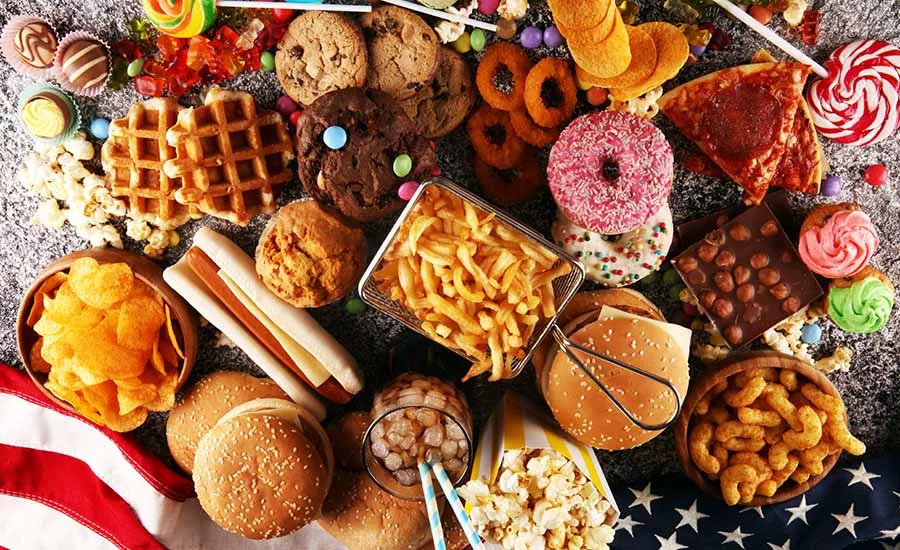
A new Swedish study has demonstrated that estimates of ultra-processed food (UPF) consumption can vary substantially depending on how the NOVA classification system is applied, raising questions about its reliability for dietary research and nutrition policymaking. Although higher UPF consumption was generally associated with poorer diet quality, the researchers found that the classification did not consistently reflect the nutritional profile of foods or BMI outcomes in people.

Based on the study’s findings, the Swedish Food Agency called UPF “a definition that doesn’t give the whole picture.”

The study, published in Nutrition Journal, was conducted by researchers at the University of Gothenburg in collaboration with the Swedish Food Agency (Livsmedelsverket in Swedish). It analyzed data from three Swedish national dietary surveys, comprising 1,797 adults (2010–2011), 3,099 adolescents (2016–2017), and 1,820 young children (2021–2024).

The researchers applied the NOVA system, which categorizes foods according to the nature, extent, and purpose of industrial processing, to determine the proportion of dietary energy derived from UPFs and examine associations with nutritional quality and body weight.

UPF Consumption Estimates Varied Widely Depending on Classification

Because national dietary surveys do not always capture the ingredients, manufacturing processes, or preparation methods needed to classify foods under NOVA, the researchers developed three classification scenarios to account for uncertainty.

Under the primary classification scenario, UPFs accounted for an average of 45 percent of energy intake among adults, 52 percent among adolescents, and 46 percent among young children. However, when a stricter classification was applied, these estimates fell to 23 percent, 26 percent, and 29 percent, respectively. Under the broadest classification, the corresponding estimates increased to 52 percent, 63 percent, and 53 percent.

The differences largely reflected assumptions about foods with ambiguous processing characteristics, such as bread and composite dishes, for which detailed ingredient or preparation information was unavailable.

Looking for quick answers on food safety topics?
Try Ask FSM, our new smart AI search tool.
Ask FSM →

Bread was the largest contributor to UPF-derived energy among adults and young children, while sandwiches, pizzas, and similar foods contributed the most among adolescents. The researchers noted that some breads were classified as UPFs because they contained ingredients such as isolated gluten or syrup, despite having otherwise favorable nutritional profiles.

The findings highlighted the difficulty of comparing UPF consumption estimates across studies that use different classification assumptions, even when analyzing similar dietary data.

Higher UPF Consumption’s Relation to Diet Quality Depended on Nutritional Indicator

Across age groups, higher UPF consumption was generally associated with greater dietary energy density, higher added sugar intake, and lower consumption of dietary fiber and whole grains. The nutrient density of most vitamins and minerals also decreased as UPF intake increased.

However, the associations were not consistent across all nutritional indicators. Higher UPF consumption was associated with lower dietary salt density across all age groups, while saturated fat intake was not significantly associated with UPF consumption among adults or adolescents.

Among young children, higher UPF consumption was associated with greater iron and vitamin E intake, potentially reflecting consumption of fortified children's cereals, porridge, and similar products classified as UPFs.

Using criteria adapted from Sweden's Keyhole nutrition labeling system, the researchers also found that 8.5 percent of foods classified entirely as UPFs met criteria for “generally encouraged food” choices, demonstrating that processing-based classifications do not always align with dietary recommendations.

No Robust Relationship Between UPF Consumption, BMI

Regarding body weight, each 10-percentage-point increase in dietary energy from UPFs was associated with a 0.61 percent higher body mass index (BMI) among adults in the primary analysis. However, this association was not statistically significant under alternative UPF classification scenarios.

No consistent associations with BMI or overweight and obesity were identified among adolescents or young children. Overall, the researchers concluded that the study did not identify robust relationships between UPF consumption and weight status.

Because the research was cross-sectional, it could not establish whether food processing itself contributed to differences in body weight or whether the observed associations reflected other dietary characteristics.

Findings Add to International Debate Over UPF Definitions and Policy

The findings contribute to an ongoing debate about whether processing-based food classifications provide sufficient information to inform nutrition policy, particularly when foods with substantially different nutritional profiles are grouped together.

For example, a previous report examining the nutritional implications of UPF classification raised concerns that processing categories do not reliably indicate nutritional value. Conversely, research comparing different processed food classification systems found consistent associations between processing categories and nutritional and health outcomes despite differences in how foods were categorized.

The issue has also gained attention among international food policy authorities. The EU has initiated work to develop scientific and ethical opinions relevant to UPF policymaking, with opinions expected by early 2027. Additionally, the Codex Alimentarius Commission has received a proposal to establish a risk analysis framework for diet-related diseases, although the Codex Committee on Food Labeling declined a proposal to initiate work related to UPFs at its 49th Meeting in May.

The Swedish researchers emphasized the importance of transparent, standardized approaches to UPF classification, particularly when existing dietary surveys lack sufficient information about processing methods. They also called for improved dietary assessment tools and continued refinement of classification protocols to address uncertainty in future research.

KEYWORDS: Livsmedelsverket study ultra-processed foods

Share This Story

Fsm purple logo 200x200

The Food Safety Magazine editorial team comprises Bailee Henderson, Director of Content Strategy and news editor ✉, and Adrienne Blume, M.A., Director of Editorial and Industry Engagement.

Recommended Content

JOIN TODAY
to unlock your recommendations.

Already have an account? Sign In

  • people holding baby chicks

    Serovar Differences Matter: Utility of Deep Serotyping in Broiler Production and Processing

    This article discusses the significance of Salmonella in...
    Microbiological Control
    By: Nikki Shariat Ph.D.
  • woman washing hands

    Building a Culture of Hygiene in the Food Processing Plant

    Everyone entering a food processing facility needs to...
    Personal Hygiene/Handwashing
    By: Richard F. Stier, M.S.
  • graphical representation of earth over dirt

    Climate Change and Emerging Risks to Food Safety: Building Climate Resilience

    This article examines the multifaceted threats to food...
    Risk Assessment
    By: Maria Cristina Tirado Ph.D., D.V.M. and Shamini Albert Raj M.A.
Manage My Account
  • Join Food Safety Magazine
  • Manage My Preferences
  • Customer Service

More Videos

Sponsored Content

Sponsored Content is a special paid section where industry companies provide high quality, objective, non-commercial content around topics of interest to the Food Safety Magazine audience. All Sponsored Content is supplied by the advertising company and any opinions expressed in this article are those of the author and not necessarily reflect the views of Food Safety Magazine or its parent company, BNP Media. Interested in participating in our Sponsored Content section? Contact your local rep!

close
  • pre-packaged salads, noodles, and prepared meals stocked on multi-tier grocery store refrigerator shelves
    Sponsored byCorbion

    How Many Days of Shelf Life Are You Leaving on the Table?

  • Top view portrait of two factory workers standing by conveyor belt during quality inspection at food production, copy space
    Sponsored byFlexXray

    Foreign Material By the Numbers: What the 2026 Benchmark Report Reveals

  • a conveyorized industrial metal detector system that appears to resemble a Loma Systems IQ4 Metal Detector setup with an integrated conveyor belt and control panel for food or package inspection.
    Sponsored byMettler Toledo

    Beyond Detection: How to Avoid Physical Contamination in Food Through a Smarter Inspection Strategy

Popular Stories

AI and Advanced Analytics eBook

eBook | AI and Advanced Analytics for Smarter Food Safety Management

man in suit inspector looking at documents in restaurant kitchen

FDA Issues 2026 Voluntary National Retail Food Regulatory Program Standards

FoodSafetyMattersFinal-900x550-(002).jpg

Ep. 229. Rocco Renaldi: Rethinking the Ultra-Processed Foods Debate

AI and Advanced Analytics ebook

Events

November 17, 2026

Are You Getting the Most from Your Food Safety Testing?

Live: November 17, 2026 at 11:00 am EST: Attend this webinar to explore practical ways food processors can modernize sanitation verification and microbiological testing while keeping workflows simple and effective.

December 2, 2026

Beyond Surface Clean: Tackling Biofilms and Persistent Pathogens

Live: December 2, 2026 at 11:00 am EST: Attend this webinar to understand why chlorine dioxide is not chlorine, and what “ultra-pure” means for residues, byproducts, and effectiveness.

December 3, 2026

How to Use AI to Improve Workforce Training

Live: December 3, 2026 at 11:00 am EST: This webinar will cover best practices for reviewing, refining, and governing AI-generated training content for accuracy and consistency.

View All

Products

Global Food Safety Microbial Interventions and Molecular Advancements

Global Food Safety Microbial Interventions and Molecular Advancements

See More Products

Related Articles

  • woman looking at box of packaged food in grocery store seeming pensive

    RFK Jr. Says Federal Ultra-Processed Foods Definition is Coming in April

    See More
  • vending machine filled with chips and candy

    FDA, USDA Submit ‘Ultra-Processed Foods’ Definition for Final Review

    See More
  • Image of the Swedish flag

    Swedish Food Agency Publishes 2019-2023 Analysis of Foodborne Illnesses

    See More

Related Products

See More Products
  • 1119053595.jpg

    Food Safety for the 21st Century: Managing HACCP and Food Safety throughout the Global Supply Chain, 2E

  • food-safety-making.jpg

    Food Safety: Making Foods Safe and Free From Pathogens

  • 1119258073.jpg

    FSMA and Food Safety Systems: Understanding and Implementing the Rules

See More Products

Related Directories

  • The Food Safety Professionals Group (The FSPG)

    Educate, Engage, Elevate. Through networking events and virtual education sessions, the FSPG supports students and young & seasoned professionals with mentorship and career opportunities.
×

Never miss the latest news and trends shaping the food safety industry

Newsletters | Website | FSM Features Collection

JOIN TODAY!
  • RESOURCES
    • Advertise
    • Contact Us
    • Directories
    • Store
  • JOIN TODAY
    • Create Account
    • FSM Features Collection
    • Newsletters
    • Customer Service
    • Manage Preferences
  • SERVICES
    • Marketing Services
    • Reprints
    • Market Research
    • List Rental
    • Survey/Respondent Access
  • STAY CONNECTED
    • LinkedIn
    • Facebook
    • Instagram
    • X (Twitter)
    • YouTube
  • PRIVACY
    • PRIVACY POLICY
    • TERMS & CONDITIONS
    • DO NOT SELL MY PERSONAL INFORMATION
    • PRIVACY REQUEST
    • ACCESSIBILITY

Copyright ©2026. All Rights Reserved BNP Media, Inc. and BNP Media II, LLC.

Design, CMS, Hosting & Web Development :: ePublishing