BIZTRACKS
Survey Says 94 Percent of U.S. Adults Concerned About Frequency of Food Recalls
A new consumer survey commissioned by GS1 US found that 94 percent of U.S. adults were concerned about the frequency of food recalls, up slightly from 93 percent in 2025. At the same time, 80 percent of respondents believed food recalls were effective in protecting public health and safety, down from 85 percent in 2025.
The survey also indicated that consumers were taking broader precautions following food safety incidents. Among respondents:
- 67 percent said they had avoided an entire food product category following a recall, up from 60 percent in 2025
- 66 percent said they were hesitant to purchase the same product or brand again, compared with 59 percent in 2025
- 59 percent said they had discarded recalled food even when their state or region was not affected, compared with 57 percent in 2025.
Although 9 percent of consumers said they would never purchase a recalled brand again, respondents who would consider repurchasing cited several factors that would influence their decision. These included the amount of time since the recall and the severity of the contamination, both cited by 39 percent of respondents, as well as recommendations from authorities, cited by 35 percent.
Bob Carpenter, President and CEO of GS1 US, highlighted the food recall system as an important line of defense protecting consumers. He suggested that more complete traceability and improved data-sharing can help companies identify affected products and provide consumers with clearer information about the scope of recalls.
Food Traceability and 2D Barcodes for Better Recalls
GS1 US underlined its support for the U.S. Food and Drug Administration’s (FDA’s) Food Traceability Rule, established under Section 204 of the Food Safety Modernization Act (FSMA 204), through the application of GS1 Standards, industry education, and guidance.
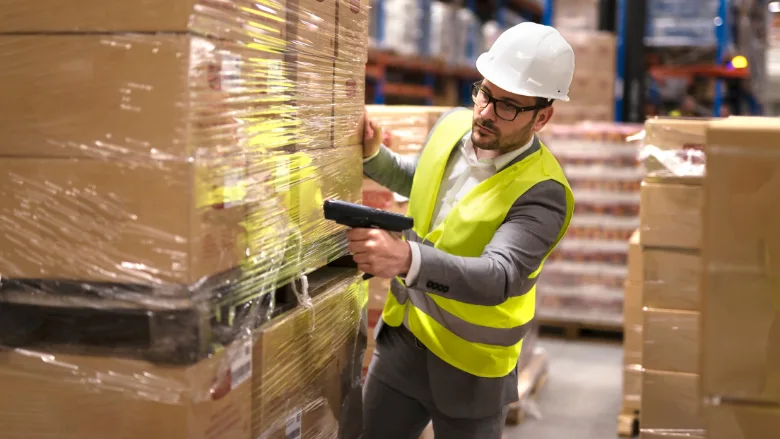
GS1 US also pointed to the adoption of two-dimensional (2D) barcodes as a potential tool for recall management. According to the organization, product data encoded or accessible through 2D barcodes, including batch or lot information, could enable trading partners and consumers to more precisely identify affected products during food safety incidents.
Looking for quick answers on food safety topics?
Try Ask FSM, our new smart AI search tool.
Ask FSM →