Food Safety
search
Ask Food Safety AI
cart
facebook twitter linkedin instagram youtube
  • Sign In
  • Create Account
  • Sign Out
  • My Account
Food Safety
  • NEWS
    • Latest News
    • Sponsored Insights
    • Sponsored White Papers
  • PRODUCTS
  • TOPICS
    • Contamination Control
    • Food Types
    • Management
    • Process Control
    • Regulatory
    • Sanitation
    • Supply Chain
    • Testing and Analysis
  • PODCAST
  • EXCLUSIVES
    • Food Safety Five Newsreel
    • eBooks
    • FSM Distinguished Service Award
    • Interactive Product Spotlights
    • Videos
  • BUYER'S GUIDE
  • MORE
    • NEWSLETTERS >
      • Archive Issues
      • Subscribe to eNews
    • Store
    • ASK FSM AI
  • WEBINARS
  • FOOD SAFETY SUMMIT
  • EMAG
    • eMagazine
    • Archive Issues
    • Editorial Advisory Board
    • Contact
    • Advertise
  • SIGN UP!
NewsContamination ControlRegulatoryPhysical

GAO Examines Microplastics Sources, Health Concerns, and Policy Challenges
By Food Safety Magazine Editorial Team
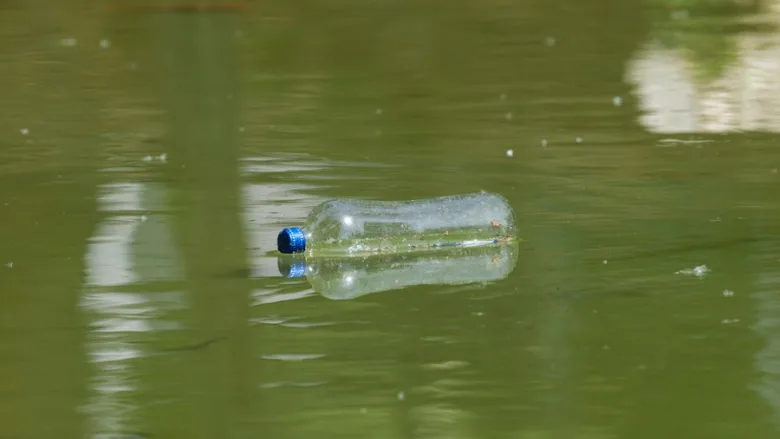
plastic water bottle floating in water
Image credit: Engin Akyurt via Pexels
July 23, 2026

A new publication from the U.S. Government Accountability Office (GAO) examined the growing presence of microplastics in the environment and the human body, highlighting ongoing scientific uncertainty about their health effects while outlining recent federal efforts to better understand and reduce exposure.

According to the report, more than 24 million metric tons of plastic enter the environment globally each year. Larger plastic items gradually degrade into microplastics, defined as plastic particles smaller than 5 millimeters (mm). The smallest particles, known as nanoplastics, measure less than 1 micrometer (μm) and can cross the body's natural barriers after being inhaled, ingested, or absorbed through the skin, thereby entering organs, blood, and cells.

Studies have shown that microplastics can be taken up from soil and water into food crops, raising questions about the food safety and public health implications of dietary exposure to plastics. 

How Microplastics Enter the Environment, Food

GAO identified vehicle tires, synthetic fabrics, plastic bottles, and paint as major sources of microplastics. For example, a 2024 study demonstrated the presence of plastic particles from tires in leafy greens. While plastic microbeads once used in products such as toothpaste and exfoliants were prohibited under the Microbead-Free Waters Act of 2015, the report noted that most environmental microplastics originate from the breakdown of larger plastic materials.

Microplastics have been detected in air, water, soil, and living organisms. They can carry contaminants including phthalates, per- and polyfluoroalkyl substances (PFAS), and heavy metals. Additionally, a growing body of evidence suggests microplastics can enhance the virulence, antimicrobial resistance, and biofilm formation of foodborne pathogens.

Although some studies have associated microplastics with adverse health outcomes, including increased cardiovascular risk in patients with arterial plaque containing microplastics, the GAO emphasized that scientists have not determined the extent to which microplastics directly cause health problems. Laboratory studies in mice have linked high levels of microplastic exposure to cognitive impairment, reduced testosterone levels, and other consequences.

The report also highlighted significant knowledge gaps, including the lack of standardized methods for measuring microplastics and challenges in scaling technologies capable of removing the smallest particles from public drinking water supplies.

Looking for quick answers on food safety topics?
Try Ask FSM, our new smart AI search tool.
Ask FSM →

Federal Efforts to Minimize Microplastics Pollution, Exposure

Federal agencies have recently announced several initiatives to address these gaps. In 2026, the U.S. Environmental Protection Agency (EPA) added microplastics to its Sixth Contaminant Candidate List (CCL6) for potential future regulation under the Safe Drinking Water Act, and the U.S. Department of Health and Human Services (HHS) launched the Systematic Targeting of MicroPlastics (STOMP) program to measure and remove microplastics from the human body. Additionally, the U.S. Department of Agriculture (USDA) announced an initiative to strengthen domestic cotton production to reduce reliance on synthetic fabrics that contribute to microplastic exposure.

Future Opportunities and Challenges

GAO said opportunities to reduce exposure include developing portable technologies for real-time environmental monitoring, improving scalable water treatment technologies, and reducing the use of plastic products such as disposable water bottles. However, the report noted that widespread reliance on plastics, their global distribution through air and ocean currents, and the lack of standardized scientific methodologies remain significant challenges for policymakers.


KEYWORDS: microplastics report U.S. Government Accountability Office (GAO)

Share This Story

Fsm purple logo 200x200

The Food Safety Magazine editorial team comprises Bailee Henderson, Director of Content Strategy and news editor ✉, and Adrienne Blume, M.A., Director of Editorial and Industry Engagement.

Recommended Content

JOIN TODAY
to unlock your recommendations.

Already have an account? Sign In

  • people holding baby chicks

    Serovar Differences Matter: Utility of Deep Serotyping in Broiler Production and Processing

    This article discusses the significance of Salmonella in...
    Contamination Control
    By: Nikki Shariat Ph.D.
  • woman washing hands

    Building a Culture of Hygiene in the Food Processing Plant

    Everyone entering a food processing facility needs to...
    Sanitation
    By: Richard F. Stier, M.S.
  • graphical representation of earth over dirt

    Climate Change and Emerging Risks to Food Safety: Building Climate Resilience

    This article examines the multifaceted threats to food...
    Risk Assessment
    By: Maria Cristina Tirado Ph.D., D.V.M. and Shamini Albert Raj M.A.
Manage My Account
  • eMagazine Subscription
  • Subscribe to Newsletters
  • Manage My Preferences
  • Website Registration
  • Subscription Customer Service

More Videos

Sponsored Content

Sponsored Content is a special paid section where industry companies provide high quality, objective, non-commercial content around topics of interest to the Food Safety Magazine audience. All Sponsored Content is supplied by the advertising company and any opinions expressed in this article are those of the author and not necessarily reflect the views of Food Safety Magazine or its parent company, BNP Media. Interested in participating in our Sponsored Content section? Contact your local rep!

close
  • an automated industrial production line used in a modern food factory
    Sponsored byIFC

    A Formula for Food Processing Pest Management

  • fly
    Sponsored byOrkin Commercial

    Fly Control in Food Processing Facilities: Managing Seasonal Food Safety Risks

  • Darkling Beetle
    Sponsored byElanco Animal Health

    Integrated Pest Management: Protecting Poultry Operations as Seasons Change

Popular Stories

taco bell storefront

FDA Says a Taco Bell Iceberg Lettuce Supplier is Source of Five-State Cyclosporiasis Outbreak

head of iceberg lettuce

Taylor Farms Lettuce Cyclosporiasis Outbreak Expands to Nine States; CDC Reports Nearly 2,000 Cases, State Counts Exceed 10,000

bowl of chopped fresh produce salad ingredients

How the U.S. Cyclospora Outbreak Reflects a Strained National Foodborne Illness Surveillance System

building a skilled workforce ebook

Events

August 6, 2026

Beyond Sanitation: Understanding the Hidden System Conditions That Allow Pathogens to Persist

Live: August 6, 2026 at 2:00 pm EDT: Attend this webinar to learn strategies for strengthening environmental control programs through a layered approach to pathogen management.

August 11, 2026

Beyond Sanitization: Reducing Contamination Risk Without Raising Operating Cost

Live: August 11, 2026 at 2:00 pm EDT: Attend this webinar to learn why ambient air is the largest and most overlooked contamination zone in food processing, and what it costs you between scheduled cleans.

August 25, 2026

Don’t Wing It: Bird Control for Food Processing Facilities

Live: August 25, 2026 at 2:00 pm EDT: This webinar will cover why managing bird activity should be a priority for your business, the complexities involved in effective bird control, and proactive strategies to help protect your facility.

View All

Products

Global Food Safety Microbial Interventions and Molecular Advancements

Global Food Safety Microbial Interventions and Molecular Advancements

See More Products

Related Articles

  • farmer spraying chemicals

    EFSA Finds No Critical Health Concerns for Herbicide Glyphosate

    See More
  • EFSA: White Food Coloring Chemical Poses No Consumer Health Concerns

    See More
  • Image of several bottles of various food supplements

    FAO Report Examines Potential Safety Concerns Associated with Supplements, Functional Foods

    See More

Related Products

See More Products
  • Food-Forensics-3D.jpg

    Food Forensics Handbook Practice, Instrumentation, Case Studies

  • 9781498762878.jpg

    Food Safety and Protection

  • 9781498721776.jpg

    Handbook of Food Processing: Food Safety, Quality, and Manufacturing Processes

See More Products

Events

View AllSubmit An Event
  • May 12, 2026

    Effective Pathogen Control Through Identification and Management of Sources and Harborages in the Processing Environment

    On Demand: Attend this session to understand how pathogens persist in processing environments—and what you can do to control them.
View AllSubmit An Event

Related Directories

  • Stop Foodborne Illness

    As the voice of people affected by foodborne illness, we collaborate with partners in academia, the food industry, consumer and public health groups, and government to prevent foodborne illness. We advocate for effective food safety policy and facilitate culture change to increase food safety.
  • National Environmental Health Assn. (NEHA)

    We support over 7,000 environmental health professionals globally, offering top-tier credentialing, educational materials, and events. Our FSMA courses include PCQI, FSVP, and IAVA. We employ experts to ensure the highest standards in practice and testing, fostering career growth and networking through our community and peer-reviewed journal. https://www.neha.org/FSPCA-PCQI-training.
  • Elanco Animal Health

    ELANCO (NYSE: ELAN) is a global animal health company serving customers in more than 90 countries. The Elanco Poultry Food Safety team combines industry-leading products and services with their professional experience and collaboration skills to help customers succeed in the ever-changing poultry industry. Our team includes consultants with extensive veterinary knowledge and experience. Our food safety product portfolio includes Salmonella vaccines and insecticides to support a cohesive IPM program.
×

Never miss the latest news and trends driving the food safety industry

Newsletters | Website | eMagazine

JOIN TODAY!
  • RESOURCES
    • Advertise
    • Contact Us
    • Directories
    • Store
    • Want More
  • SIGN UP TODAY
    • Create Account
    • eMagazine
    • Newsletters
    • Customer Service
    • Manage Preferences
  • SERVICES
    • Marketing Services
    • Reprints
    • Market Research
    • List Rental
    • Survey/Respondent Access
  • STAY CONNECTED
    • LinkedIn
    • Facebook
    • Instagram
    • X (Twitter)
  • PRIVACY
    • PRIVACY POLICY
    • TERMS & CONDITIONS
    • DO NOT SELL MY PERSONAL INFORMATION
    • PRIVACY REQUEST
    • ACCESSIBILITY

Copyright ©2026. All Rights Reserved BNP Media, Inc. and BNP Media II, LLC.

Design, CMS, Hosting & Web Development :: ePublishing