Food Safety
search
Ask Food Safety AI
cart
facebook twitter linkedin instagram youtube
  • Sign In
  • Create Account
  • Sign Out
  • My Account
Food Safety
  • NEWS
    • Latest News
    • White Papers
  • PRODUCTS
  • TOPICS
    • Contamination Control
    • Food Types
    • Management
    • Process Control
    • Regulatory
    • Sanitation
    • Supply Chain
    • Testing and Analysis
  • PODCAST
  • EXCLUSIVES
    • Food Safety Five Newsreel
    • eBooks
    • FSM Distinguished Service Award
    • Interactive Product Spotlights
    • Videos
  • BUYER'S GUIDE
  • MORE
    • NEWSLETTERS >
      • Archive Issues
      • Subscribe to eNews
    • Store
    • Sponsor Insights
    • ASK FSM AI
  • WEBINARS
  • FOOD SAFETY SUMMIT
  • EMAG
    • eMagazine
    • Archive Issues
    • Editorial Advisory Board
    • Contact
    • Advertise
  • SIGN UP!
NewsContamination ControlFood TypeRegulatoryChemicalIngredientsFDA

Investigation Identifies More than 100 Ingredients Used in Foods Without FDA Safety Review

By Bailee Henderson
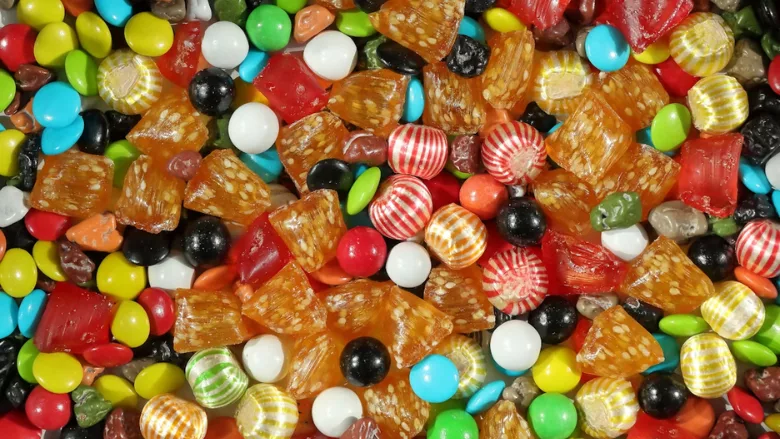
assorted colorful hard candies
Image credit: msaimakin via Unsplash
March 3, 2026

The Environmental Working Group (EWG) has published a list of 111 food additives that have been introduced to the food supply without a formal safety review by the U.S. Food and Drug Administration (FDA) through the “Generally Recognized as Safe” (GRAS) process.

Of these GRAS ingredients, 49 are used in thousands of food products, per EWG.

EWG compiled its list based on corporate press releases announcing self-affirmed GRAS status, trade publication announcements, and publicly available GRAS substance databases.

How GRAS Allows Companies to Use Food Ingredients Without FDA Review

Established in 1958 through an amendment to the Federal Food, Drug, and Cosmetic Act, the GRAS process enables food substances to be used without premarket approval by FDA as long as scientific experts determine the substance to be “safe” under the conditions of its intended use. GRAS determinations effectively exempt a food substance from being subjected to the premarket safety review process required for food additives by FDA.

GRAS determinations can be made by experts outside of the government, using literature compiled by food companies. Food companies can choose to voluntarily notify FDA when they have made a GRAS determination about a new substance—or they can begin using the intended ingredient without notifying FDA once they have compiled the scientific evidence required to make their determination.

The GRAS process was originally intended to allow widely used food ingredients, commonly understood to be safe for consumption (e.g., salt, yeast), to remain on the market without extensive review.

GRAS Could Allow Potentially Unsafe Ingredients to Enter Food Supply

In recent years, GRAS has increasingly come under public scrutiny for the introduction of new ingredients, which have not been proven to be safe, to the food supply.

Looking for quick answers on food safety topics?
Try Ask FSM, our new smart AI search tool.
Ask FSM →

For example, in 2022, consumers experienced liver injury due to the consumption of tara flour, a self-affirmed GRAS ingredient, which was used as an ingredient in a ground beef substitute. In 2024, FDA conducted an independent evaluation of the ingredient and concluded that tara flour is not “generally recognized as safe,” and is therefore unapproved as a food additive.

Forthcoming FDA Rule Will Tighten GRAS Oversight

Following orders from U.S. Health Secretary Robert F. Kennedy Jr., a proposed FDA rule to tighten GRAS oversight is currently pending White House review.

This proposed rule would amend the Code of Federal Regulations to enforce stricter GRAS oversight in several ways:

  • Making FDA notification of GRAS submissions mandatory for most substances, with exemptions allowed only for substances already listed by FDA, substances that have a “no questions letter,” or substances covered by a regulation
  • Require FDA to maintain and update a public-facing GRAS notice inventory for all GRAS substance notifications and their conditions of intended use
  • Clarify the process under which FDA would determine that a substance is not GRAS.

In a February CBS News 60 Minutes interview, Secretary Kennedy asserted that, because of GRAS, the U.S. Government “does not know how many ingredients there are in American food,” and cited estimates between 4,000 and 10,000.


KEYWORDS: Environmental Working Group generally recognized as safe

Share This Story

Baileehendersonmay23

Bailee Henderson is the Digital Editor of Food Safety Magazine, where she covers industry-relevant current events, regulatory affairs, and scientific developments. She also produces the Food Safety Five Newsreel. Notably, Bailee's coverage for Food Safety Magazine has been featured in national televised news segments including CBS Sunday Morning and MSNBC's Rachel Maddow Show. She can be reached at hendersonb@bnpmedia.com.

Recommended Content

JOIN TODAY
to unlock your recommendations.

Already have an account? Sign In

  • people holding baby chicks

    Serovar Differences Matter: Utility of Deep Serotyping in Broiler Production and Processing

    This article discusses the significance of Salmonella in...
    Contamination Control
    By: Nikki Shariat Ph.D.
  • woman washing hands

    Building a Culture of Hygiene in the Food Processing Plant

    Everyone entering a food processing facility needs to...
    Food Prep/Handling
    By: Richard F. Stier, M.S.
  • graphical representation of earth over dirt

    Climate Change and Emerging Risks to Food Safety: Building Climate Resilience

    This article examines the multifaceted threats to food...
    Risk Assessment
    By: Maria Cristina Tirado Ph.D., D.V.M. and Shamini Albert Raj M.A.
Manage My Account
  • eMagazine Subscription
  • Subscribe to Newsletters
  • Manage My Preferences
  • Website Registration
  • Subscription Customer Service

More Videos

Sponsored Content

Sponsored Content is a special paid section where industry companies provide high quality, objective, non-commercial content around topics of interest to the Food Safety Magazine audience. All Sponsored Content is supplied by the advertising company and any opinions expressed in this article are those of the author and not necessarily reflect the views of Food Safety Magazine or its parent company, BNP Media. Interested in participating in our Sponsored Content section? Contact your local rep!

close
  • This image displays a multi-stage water filtration system designed to remove contaminants from drinking water.
    Sponsored byWaterdrop Filter

    The 4.0 ppt Era: Future-Proofing Your Food Supply Chain Against "Forever Chemicals"

  • The image displays a bottling plant production line, commonly used in the beverage industry for filling and packaging soft drinks.
    Sponsored byBIOIONIX

    Sustainability with ROI: A Beverage Producer Case Study in Water Savings

  • factory
    Sponsored byIFC

    A Clean Break to Reset the Environment with Chlorine Dioxide

Popular Stories

formula powder

ByHeart Infant Formula Botulism Outbreak Ends with Extensive WGS Evidence, but Root Cause Remains Unidentified

workers and inspector in processing facility

Gearing Up for an FDA Inspection

FSM podcast

Ep. 212. Dr. Claire Sand: The Future of Food Packaging and Chemicals of Concern

Events

March 26, 2026

Continuous Pathogen Control: Enhancing Sanitation and Environmental Monitoring in Food Processing

Live: March 26, 2026, at 2:00 pm EST: This session explores the role of continuous airborne pathogen control technology in supporting sanitation and environmental monitoring programs within food processing environments.

March 31, 2026

Regulatory Risk, Ingredient Safety, and GRAS: What Companies Need to Act on Now

Live: March 31, 2026, at 11:00 am EDT: From this webinar, attendees will recognize patterns in food policy affecting dietary guidelines, UPFs, state legislative actions, and expected GRAS reform.

May 11, 2026

The Food Safety Summit

Stay informed on the latest food safety trends, innovations, emerging challenges, and expert analysis. Leave the Summit with actionable insights ready to drive measurable improvements in your organization. Do not miss this opportunity to learn from experts about contamination control, food safety culture, regulations, sanitation, supply chain traceability, and so much more.

View All

Products

Global Food Safety Microbial Interventions and Molecular Advancements

Global Food Safety Microbial Interventions and Molecular Advancements

See More Products

Related Articles

  • vending machine filled with chips and candy

    California Bill Would Require State Food Additive Safety Reviews, Closing Federal ‘Loophole’

    See More
  • Processed chips snacks and candies

    RFK Jr. Highlights FDA’s Focus on GRAS Rule, But Makes No Promises

    See More
  • infant formula and bottle

    FDA to Begin Testing Infant Formula Products, Ingredients for C. botulinum

    See More

Related Products

See More Products
  • food-safety-making.jpg

    Food Safety: Making Foods Safe and Free From Pathogens

  • 9781138070912.jpg

    Trends in Food Safety and Protection

  • 1119237963.jpg

    Food Safety in China: Science, Technology, Management and Regulation

See More Products

Related Directories

  • SafetyChain Software

    SafetyChain is a digital plant management platform trusted by more than 2,500 food and beverage manufacturing facilities to improve plant-wide performance. It unifies production and quality teams with data and insights, tools, and delivers real-time operational visibility and control by eliminating paper and point solutions.
  • A&B Ingredients

    A&B Ingredients is a manufacturer and distributor of unique specialty ingredients to the food industry. We specialize in natural, clean-label, plant-based ingredients for food safety and shelf life extension in food and beverage products. Our CytoGUARD portfolio includes antimicrobials, yeast and mold inhibitors, natural preservatives, and antioxidants. We also provide turn-key solutions for sodium reduction with natural lower sodium sea salts.
  • Wenda Ingredients

    Natural curing, yield and texture improvement, shelf-life extension, color retention, and pathogen control. Wenda Ingredients' portfolio of clean-label ingredients provides brands and processors with the most advanced solutions.
×

Never miss the latest news and trends driving the food safety industry

Newsletters | Website | eMagazine

JOIN TODAY!
  • RESOURCES
    • Advertise
    • Contact Us
    • Directories
    • Store
    • Want More
  • SIGN UP TODAY
    • Create Account
    • eMagazine
    • Newsletters
    • Customer Service
    • Manage Preferences
  • SERVICES
    • Marketing Services
    • Reprints
    • Market Research
    • List Rental
    • Survey/Respondent Access
  • STAY CONNECTED
    • LinkedIn
    • Facebook
    • Instagram
    • X (Twitter)
  • PRIVACY
    • PRIVACY POLICY
    • TERMS & CONDITIONS
    • DO NOT SELL MY PERSONAL INFORMATION
    • PRIVACY REQUEST
    • ACCESSIBILITY

Copyright ©2026. All Rights Reserved BNP Media.

Design, CMS, Hosting & Web Development :: ePublishing