Food Safety
search
Ask Food Safety AI
cart
facebook twitter linkedin instagram youtube
  • Sign In
  • Join Today
  • Sign Out
  • My Account
Food Safety
  • NEWS
    • Latest News
    • Food Safety Five Newsreel
  • PRODUCTS
  • TOPICS
    • Contamination Control
    • Food Types
    • Management
    • Process Control
    • Regulatory
    • Sanitation
    • Supply Chain
    • Testing and Analysis
  • PODCAST
  • EXCLUSIVES
    • eBooks
    • Sponsored Insights
    • Sponsored White Papers
    • FSM Distinguished Service Award
    • Interactive Product Spotlights
    • Videos
  • MORE
    • BUYER'S GUIDE
    • NEWSLETTERS >
      • Archive Issues
      • Subscribe to eNews
    • Store
    • ASK FSM AI
  • WEBINARS
  • FOOD SAFETY SUMMIT
  • FSM FEATURES
    • FSM Features Collection
    • eMag Archives
    • Editorial Advisory Board
    • Contact
    • Advertise
  • JOIN
NewsContamination ControlFood TypeSupply ChainMicrobiological ControlSeafoodTemperature Control/Cold Chain

Common Fish Food Poisoning Types and Prevention Methods
By Saudi Food and Drug Authority (SFDA)
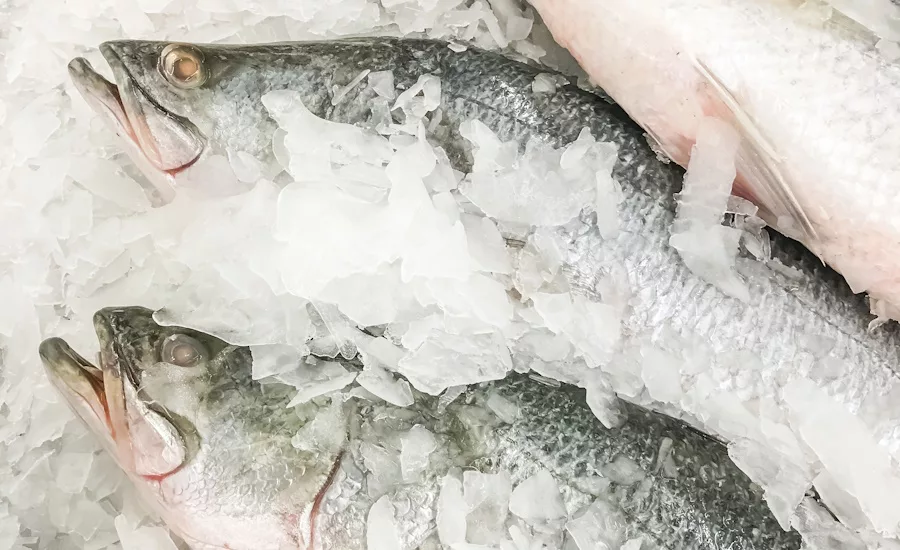
Image of fish on ice

Image credit: suksao via Freepik

May 19, 2025

As part of its ongoing public awareness initiatives, the Saudi Food and Drug Authority (SFDA) has released information detailing common types of food poisoning linked to fish consumption and crucial preventive measures to protect public health. Recognizing the significant nutritional benefits of fish, including vital omega-3 fatty acids, SFDA underscores the importance of proper handling throughout the supply chain and in consumers' homes.

SFDA emphasizes that ensuring fish safety begins at the point of purchase. Consumers are advised to buy fish from reputable vendors who strictly adhere to refrigeration and hygiene standards. When selecting fish, it should be stored adequately with ice in designated refrigerators and should exhibit: a natural, fresh odor; clear eyes; and firm, elastic flesh that springs back when pressed.

For safe storage at home, SFDA recommends maintaining fish at 4 °C or lower in the refrigerator and freezing it at –18 °C or lower, ensuring it is tightly wrapped in freezer bags or paper. During preparation, thorough handwashing before and after handling raw fish is essential, along with the use of clean utensils and separate cutting boards. Washing fish under running water before thorough cooking is also advised. Fish should be cooked to an internal temperature of at least 75 °C until the flesh is firm.

SFDA cautions that storing fish at temperatures of between 5 °C and 60 °C can foster the growth of bacteria that convert histidine to histamine, leading to scombroid poisoning. Critically, cooking does not eliminate histamine. Symptoms of this type of poisoning can appear rapidly after consumption and include facial and neck redness, rash, itching, as well as gastrointestinal distress such as nausea, vomiting, diarrhea, and abdominal pain. Other symptoms may include headache, dizziness, palpitations, and a burning sensation in the mouth and throat.

Scombroid poisoning is typically associated with specific fish species like tuna, mackerel, sardines, anchovies, mahi-mahi, and bonito. It is necessary to store these fish below 4 °C immediately after being caught or purchased and ensuring they lack any pungent, ammonia-like odors.

Furthermore, there is a risk of botulism in traditionally prepared salted and fermented fish products such as herring and feseekh. This risk stems from the potential growth of Clostridium botulinum bacteria and necessitates storage below 4 °C, along with thorough salting both internally and externally during preparation.

Regarding raw or undercooked salmon, SFDA highlights the potential presence of parasites (like Anisakis) and bacteria (such as Salmonella and Listeria) that can cause intestinal issues. Consumers should choose salmon specifically intended for raw consumption (e.g., pre-frozen sushi) and ensure that the salmon has been frozen at –20 °C for 7 days or –35 °C for 15 hours. Such fish should be stored below 4 °C and consumed within 2 days of thawing. Strict hygiene during preparation is also crucial.

Looking for quick answers on food safety topics?
Try Ask FSM, our new smart AI search tool.
Ask FSM →

Concerning canned sardines, SFDA warns of the risk of botulism poisoning if improperly stored, due to the anaerobic growth of Clostridium botulinum. Consumers are urged to avoid consuming cans that are bulging, leaking, exhibit an unnatural odor, or are past their expiration date. Proper storage in a cool, dry place and thorough cooking to at least 75 °C before consumption are strongly recommended.

This comprehensive fish food safety awareness campaign aligns with SFDA's fourth strategic plan objectives, reinforcing the Authority's commitment to enhancing public knowledge, mitigating health risks, and promoting safe food handling practices across various consumer segments. 

KEYWORDS: botulism Clostridium botulinum fish histamine

Share This Story

The Saudi Food and Drug Authority (SFDA) is the regulatory authority responsible for ensuring the safety and quality of food, drugs, medical devices, and cosmetics in Saudi Arabia. Through its commitment to transparency, innovation, and excellence, the SFDA strives to enhance the overall health and well-being of the Saudi population.

Recommended Content

JOIN TODAY
to unlock your recommendations.

Already have an account? Sign In

  • people holding baby chicks

    Serovar Differences Matter: Utility of Deep Serotyping in Broiler Production and Processing

    This article discusses the significance of Salmonella in...
    Meat/Poultry
    By: Nikki Shariat Ph.D.
  • woman washing hands

    Building a Culture of Hygiene in the Food Processing Plant

    Everyone entering a food processing facility needs to...
    Food Prep/Handling
    By: Richard F. Stier, M.S.
  • graphical representation of earth over dirt

    Climate Change and Emerging Risks to Food Safety: Building Climate Resilience

    This article examines the multifaceted threats to food...
    Best Practices
    By: Maria Cristina Tirado Ph.D., D.V.M. and Shamini Albert Raj M.A.
Manage My Account
  • Join Food Safety Magazine
  • Manage My Preferences
  • Customer Service

More Videos

Sponsored Content

Sponsored Content is a special paid section where industry companies provide high quality, objective, non-commercial content around topics of interest to the Food Safety Magazine audience. All Sponsored Content is supplied by the advertising company and any opinions expressed in this article are those of the author and not necessarily reflect the views of Food Safety Magazine or its parent company, BNP Media. Interested in participating in our Sponsored Content section? Contact your local rep!

close
  • pre-packaged salads, noodles, and prepared meals stocked on multi-tier grocery store refrigerator shelves
    Sponsored byCorbion

    How Many Days of Shelf Life Are You Leaving on the Table?

  • Top view portrait of two factory workers standing by conveyor belt during quality inspection at food production, copy space
    Sponsored byFlexXray

    Foreign Material By the Numbers: What the 2026 Benchmark Report Reveals

  • a conveyorized industrial metal detector system that appears to resemble a Loma Systems IQ4 Metal Detector setup with an integrated conveyor belt and control panel for food or package inspection.
    Sponsored byMettler Toledo

    Beyond Detection: How to Avoid Physical Contamination in Food Through a Smarter Inspection Strategy

Popular Stories

choosing food in the freezer aisle

Refrigerator Malfunctions on U.S. Military Bases May Be Result of Targeted Cyberattacks, Similar to French Incident

supermarket freezers

Another Wave of Refrigerator Cyberattacks Sweeps European Grocery Stores, Causing More Food Losses

doctor talking to patient

U.S. is Making Little Progress Toward 2030 Foodborne Illness Reduction Goals, Data Shows

allergens ebook

Events

November 12, 2026

From Data Overload to Actionable Food Safety Risk Intelligence

Live: November 12, 2026 at 11:00 am EST: This webinar explores how data integration, advanced analytics, and digital technologies can help transform disparate information into meaningful risk intelligence.

November 17, 2026

Are You Getting the Most from Your Food Safety Testing?

Live: November 17, 2026 at 11:00 am EST: Attend this webinar to explore practical ways food processors can modernize sanitation verification and microbiological testing while keeping workflows simple and effective.

December 2, 2026

Beyond Surface Clean: Tackling Biofilms and Persistent Pathogens

Live: December 2, 2026 at 11:00 am EST: Attend this webinar to understand why chlorine dioxide is not chlorine, and what “ultra-pure” means for residues, byproducts, and effectiveness.

View All

Products

Global Food Safety Microbial Interventions and Molecular Advancements

Global Food Safety Microbial Interventions and Molecular Advancements

See More Products

Related Articles

  • food preparation

    How Restaurant Operators can Handle Food Poisoning Allegations

    See More
  • UK FSA Study Details Food Poisoning Cases, Targets Campylobacter

    See More
  • Washington University.png

    Twitter Use Improves Food Poisoning Reports, Says Washington University

    See More

Related Products

See More Products
  • 9781138070912.jpg

    Trends in Food Safety and Protection

  • 9781498721776.jpg

    Handbook of Food Processing: Food Safety, Quality, and Manufacturing Processes

  • Food-Forensics-3D.jpg

    Food Forensics Handbook Practice, Instrumentation, Case Studies

See More Products

Related Directories

  • TRICOR Systems Inc.

    TRICOR Systems Inc., the world standard in Chocolate temper measurement, offers the Model 530 and Model 225 Chocolate Temper Meters to help confectioners achieve perfect chocolate. Since 1979, confectioners have trusted TRICOR temper meters to prevent common bloom problems.
  • Bakery Machinery & Fabrication (BMF/Cookie & Cracker Machinery)

    Engineering/Designing/Manufacturing of Cookie, Cracker, Snack Food & Pet Treat equipment. From unit machines to turnkey systems ranging from flour handling through wrapping. Equipment development for new products that are not capable of being produced on conventional equipment. We're your competitors' best kept secret!! Get the Baking Edge!!
×

Never miss the latest news and trends shaping the food safety industry

Newsletters | Website | FSM Features Collection

JOIN TODAY!
  • RESOURCES
    • Advertise
    • Contact Us
    • Directories
    • Store
  • JOIN TODAY
    • Create Account
    • FSM Features Collection
    • Newsletters
    • Customer Service
    • Manage Preferences
  • SERVICES
    • Marketing Services
    • Reprints
    • Market Research
    • List Rental
    • Survey/Respondent Access
  • STAY CONNECTED
    • LinkedIn
    • Facebook
    • Instagram
    • X (Twitter)
    • YouTube
  • PRIVACY
    • PRIVACY POLICY
    • TERMS & CONDITIONS
    • DO NOT SELL MY PERSONAL INFORMATION
    • PRIVACY REQUEST
    • ACCESSIBILITY

Copyright ©2026. All Rights Reserved BNP Media, Inc. and BNP Media II, LLC.

Design, CMS, Hosting & Web Development :: ePublishing