Food Safety
search
Ask Food Safety AI
cart
facebook twitter linkedin instagram youtube
  • Sign In
  • Create Account
  • Sign Out
  • My Account
Food Safety
  • NEWS
    • Latest News
    • White Papers
  • PRODUCTS
  • TOPICS
    • Contamination Control
    • Food Types
    • Management
    • Process Control
    • Regulatory
    • Sanitation
    • Supply Chain
    • Testing and Analysis
  • PODCAST
  • EXCLUSIVES
    • Food Safety Five Newsreel
    • eBooks
    • FSM Distinguished Service Award
    • Interactive Product Spotlights
    • Videos
  • BUYER'S GUIDE
  • MORE
    • NEWSLETTERS >
      • Archive Issues
      • Subscribe to eNews
    • Store
    • Sponsor Insights
    • ASK FSM AI
  • WEBINARS
  • FOOD SAFETY SUMMIT
  • EMAG
    • eMagazine
    • Archive Issues
    • Editorial Advisory Board
    • Contact
    • Advertise
  • SIGN UP!
White Papers

Top 10 Tips for Meeting Standards of ISO 19011

April 12, 2016

ISO 19011 guidance can differ greatly based on company size, maturity of the organization’s management system and complexity of the organization to be audited.

It is imperative that each person or group implementing and managing their auditing system must follow fundamental principles of auditing including—integrity, fair presentation, due professional care, confidentiality, independence or impartiality, and an evidence-based approach.

Here are the top 10 items to consider regarding your audit program:

1.    Approach program objectives based on risk
Priority should be given to matters of greater significance within the management system—weigh the risks.

2.    Select the audit team
Based on the complexity of the programs to be audited, audit teams need to be developed and controlled by a lead auditor. Take care to provide adequate training to other team members.

3.    Manage the audit program
Based on the objectives, an audit schedule can be used to manage the audit program that includes the audit checklist, audit reports and corrective actions to findings identified.

4.    Continually monitor activities
Use feedback from the auditee or audit team members, then frequencies and/or the auditing approach can be modified. Be sure to also monitor auditor performance.

5.    Review and improve
This may include adjusting auditing frequencies as a result of recurring findings, changes in suppliers, or change in audit team members.

6.    Establish contact with auditee
Request documents to be reviewed and/or alert personnel who must be available during the audit.

7.    Prepare audit plan
Outline how much time will be spent on process verification and document review.

8.    Document review
Adequate review and collection of objective evidence is key. Documented procedures must be supported with adequate records.

9.    Communicate during the audit
Audit findings should be communicated during the audit process and not saved for the exit meeting.

10.    Evaluate competence
All auditors must comply with above steps, this includes demonstration of competency in the areas of ISO 19011.

Jeff Chilton currently serves as vice president of professional services at Alchemy Systems. For over 18 years, Chilton has consulted with hundreds of food manufacturing firms to develop and enhance their food safety and quality programs.


Author(s): Jeff Chilton

Looking for quick answers on food safety topics?
Try Ask FSM, our new smart AI search tool.
Ask FSM →


Share This Story

Recommended Content

JOIN TODAY
to unlock your recommendations.

Already have an account? Sign In

  • people holding baby chicks

    Serovar Differences Matter: Utility of Deep Serotyping in Broiler Production and Processing

    This article discusses the significance of Salmonella in...
    Meat/Poultry
    By: Nikki Shariat Ph.D.
  • woman washing hands

    Building a Culture of Hygiene in the Food Processing Plant

    Everyone entering a food processing facility needs to...
    Sanitation
    By: Richard F. Stier, M.S.
  • graphical representation of earth over dirt

    Climate Change and Emerging Risks to Food Safety: Building Climate Resilience

    This article examines the multifaceted threats to food...
    Risk Assessment
    By: Maria Cristina Tirado Ph.D., D.V.M. and Shamini Albert Raj M.A.
Manage My Account
  • eMagazine Subscription
  • Subscribe to Newsletters
  • Manage My Preferences
  • Website Registration
  • Subscription Customer Service

More Videos

Sponsored Content

Sponsored Content is a special paid section where industry companies provide high quality, objective, non-commercial content around topics of interest to the Food Safety Magazine audience. All Sponsored Content is supplied by the advertising company and any opinions expressed in this article are those of the author and not necessarily reflect the views of Food Safety Magazine or its parent company, BNP Media. Interested in participating in our Sponsored Content section? Contact your local rep!

close
  • This image depicts a healthcare professional managing a large volume of paperwork and transitioning to a digital workflow.
    Sponsored bySafetyChain

    The Invisible Plant Tax Starts with Your Records

  • Salmon on rice cracker
    Sponsored byThermoFisher

    Food Microbiology Testing Methods: Listeria species

  • The image displays a person selecting packaged fresh chicken meat from a supermarket display cooler.
    Sponsored byCorbion

    Developing a Future-Proof Food Safety Strategy for Meat and Poultry Products

Popular Stories

chocolate hazelnut spread on toast

40 Sick, One Dead in German Salmonella Outbreak Involving Chocolate-Hazelnut Spread

cheddar cheese wedge on a fork

FDA Finds E. coli in Raw Farm Cheese Matching a Second Outbreak

cotton swab going into tube

Study Shows Poor Recovery of Listeria Using Cotton Swabs for Environmental Monitoring


Events

May 6, 2026

Allergen Uncertainty: Risk Assessment, Reference Doses, and Codex Management Guidance

Live: May 6, 2026 at 2:00 pm EDT: Attendees will gain insight into the importance of preparing for the industry's shift from detection-based methods to risk-based allergen management.

May 11, 2026

The Food Safety Summit

Stay informed on the latest food safety trends, innovations, emerging challenges, and expert analysis. Leave the Summit with actionable insights ready to drive measurable improvements in your organization. Do not miss this opportunity to learn from experts about contamination control, food safety culture, regulations, sanitation, supply chain traceability, and so much more.

May 12, 2026

Leveraging AI for Food Safety: From Strategy to Impact

Live Streaming from Food Safety Summit: This dynamic workshop brings together leaders from industry, academia, and government to demonstrate how AI can be practically applied in food safety—from data strategy to daily execution.

View All

Products

Global Food Safety Microbial Interventions and Molecular Advancements

Global Food Safety Microbial Interventions and Molecular Advancements

See More Products

Related Articles

  • ISO 22000: Tips and Updates, Part 3

    See More
  • Top Tips to Make Your CIP and COP Systems Work For You

    See More
  • Top 3 Tips for Effective Sanitation Chemical Use

    See More

Related Products

See More Products
  • 1118396308.jpg

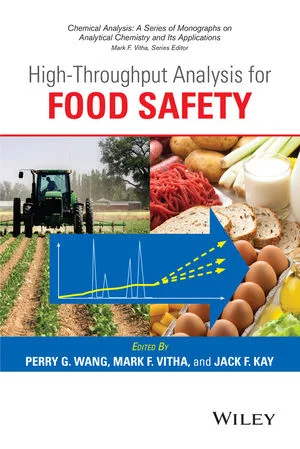
    High Throughput Analysis for Food Safety

  • 1119160553.jpg

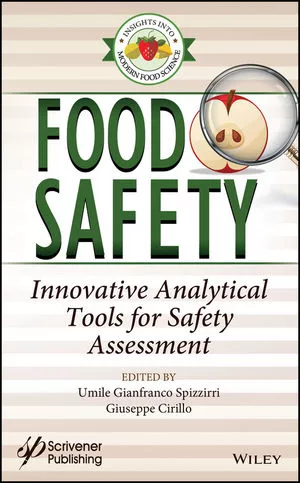
    Food Safety: Innovative Analytical Tools for Safety Assessment

  • 1119053595.jpg

    Food Safety for the 21st Century: Managing HACCP and Food Safety throughout the Global Supply Chain, 2E

See More Products

Related Directories

  • Gold Standard Diagnostics

    Gold Standard Diagnostics develops and markets rapid test kits and analyzers for a wide range of food contaminants including: allergens, pathogens, patulin and mycotoxins, glyphosate and pesticides, VDRs, GMOs and more. Get accurate results in minutes on-site with Gold Standard Diagnostics test kits.
  • Cannabis Safety & Quality (CSQ)

    CSQ is a safety-driven company setting reliable cannabis industry standards to help companies minimize risk, protect their brand, and provide the best product for their consumers. CSQ is the first accredited cannabis certification program, and it was built in 2020 to meet ISO requirements and regulatory cannabis requirements from seed-to-sale.
×

Never miss the latest news and trends driving the food safety industry

Newsletters | Website | eMagazine

JOIN TODAY!
  • RESOURCES
    • Advertise
    • Contact Us
    • Directories
    • Store
    • Want More
  • SIGN UP TODAY
    • Create Account
    • eMagazine
    • Newsletters
    • Customer Service
    • Manage Preferences
  • SERVICES
    • Marketing Services
    • Reprints
    • Market Research
    • List Rental
    • Survey/Respondent Access
  • STAY CONNECTED
    • LinkedIn
    • Facebook
    • Instagram
    • X (Twitter)
  • PRIVACY
    • PRIVACY POLICY
    • TERMS & CONDITIONS
    • DO NOT SELL MY PERSONAL INFORMATION
    • PRIVACY REQUEST
    • ACCESSIBILITY

Copyright ©2026. All Rights Reserved BNP Media, Inc. and BNP Media II, LLC.

Design, CMS, Hosting & Web Development :: ePublishing