Food Safety
search
Ask Food Safety AI
cart
facebook twitter linkedin instagram youtube
  • Sign In
  • Create Account
  • Sign Out
  • My Account
Food Safety
  • NEWS
    • Latest News
    • Sponsored Insights
    • Sponsored White Papers
  • PRODUCTS
  • TOPICS
    • Contamination Control
    • Food Types
    • Management
    • Process Control
    • Regulatory
    • Sanitation
    • Supply Chain
    • Testing and Analysis
  • PODCAST
  • EXCLUSIVES
    • Food Safety Five Newsreel
    • eBooks
    • FSM Distinguished Service Award
    • Interactive Product Spotlights
    • Videos
  • BUYER'S GUIDE
  • MORE
    • NEWSLETTERS >
      • Archive Issues
      • Subscribe to eNews
    • Store
    • ASK FSM AI
  • WEBINARS
  • FOOD SAFETY SUMMIT
  • EMAG
    • eMagazine
    • Archive Issues
    • Editorial Advisory Board
    • Contact
    • Advertise
  • SIGN UP!
News

Study: Raw Flour Linked to E. coli Food Poisoning
86de9ec7 2e8a 4b9d ab1f06979f066495
November 27, 2017

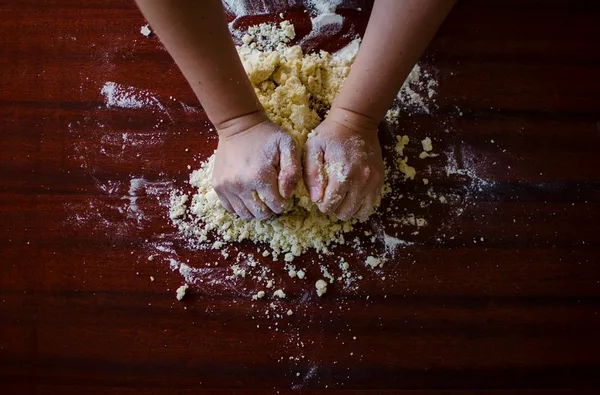
A new study published in the New England Journal of Medicine last week reveals that raw flour is the cause of bacteria—specifically Shiga toxin-producing E. coli bacteria (STEC). STEC can enter the human body when consuming uncooked foods such as cookie dough and cake batter, delicacies that have traditionally been known to cause illness due to another raw food item—eggs.

The research was prompted after General Mills recalled three of its flour products—Gold Medal, Signature Kitchen’s, and Gold Medal Wondra—in June and July of 2016. Over 10 million pounds of flour was pulled from store shelves after a multistate E. coli outbreak was linked to at least 56 reports of illness in 24 states.

The study was led by Samuel J. Crowe, Ph.D along with a team of researchers at the Centers for Disease Control and Prevention. They analyzed the STEC outbreak and its association with raw, contaminated flour. Researchers found that there was an increased risk of STEC for consumers who had eaten one of General Mills’ flour brands. The risk for illness was also higher for those who had sampled uncooked cake batter or cookie dough. The specific strain found in ill consumers, the aforementioned flours, and the food samples were all confirmed by use of whole-genome sequencing.

According to the U.S. Food and Drug Administration, flour—which derives from a grain that originates in the field—is not usually treated to kill any possible presence of bacteria. This means that if animal feces comes into contact with the grain, it is still harvested and made into flour. This is why proper cooking methods such as baking, frying and roasting are so important—these methods will kill bacteria, thus preventing illness.

For advice on safely preparing, cooking and consuming products with raw flour, see the U.S. Food and Drug Administration’s official tips.

Related articles: 
General Mills Recalls 10 Million Pounds of Flour Due to E. coli
More E. coli Illnesses Prompt General Mills Recall Expansion

Sign up for Food Safety Magazine’s bi-weekly emails!

Subscribe to our podcast: Food Safety Matters!


Author(s): Staff

Looking for quick answers on food safety topics?
Try Ask FSM, our new smart AI search tool.
Ask FSM →


Share This Story

Recommended Content

JOIN TODAY
to unlock your recommendations.

Already have an account? Sign In

  • people holding baby chicks

    Serovar Differences Matter: Utility of Deep Serotyping in Broiler Production and Processing

    This article discusses the significance of Salmonella in...
    Methods
    By: Nikki Shariat Ph.D.
  • woman washing hands

    Building a Culture of Hygiene in the Food Processing Plant

    Everyone entering a food processing facility needs to...
    Sanitation
    By: Richard F. Stier, M.S.
  • graphical representation of earth over dirt

    Climate Change and Emerging Risks to Food Safety: Building Climate Resilience

    This article examines the multifaceted threats to food...
    Risk Assessment
    By: Shamini Albert Raj M.A. and Maria Cristina Tirado Ph.D., D.V.M.
Manage My Account
  • eMagazine Subscription
  • Subscribe to Newsletters
  • Manage My Preferences
  • Website Registration
  • Subscription Customer Service

More Videos

Sponsored Content

Sponsored Content is a special paid section where industry companies provide high quality, objective, non-commercial content around topics of interest to the Food Safety Magazine audience. All Sponsored Content is supplied by the advertising company and any opinions expressed in this article are those of the author and not necessarily reflect the views of Food Safety Magazine or its parent company, BNP Media. Interested in participating in our Sponsored Content section? Contact your local rep!

close
  • an automated industrial production line used in a modern food factory
    Sponsored byIFC

    A Formula for Food Processing Pest Management

  • fly
    Sponsored byOrkin Commercial

    Fly Control in Food Processing Facilities: Managing Seasonal Food Safety Risks

  • Darkling Beetle
    Sponsored byElanco Animal Health

    Integrated Pest Management: Protecting Poultry Operations as Seasons Change

Popular Stories

taco bell storefront

FDA Says a Taco Bell Iceberg Lettuce Supplier is Source of Five-State Cyclosporiasis Outbreak

Cyclospora cayetanensis oocyst

Cyclospora Cases Climb, But Actual Number Unclear as CDC Reporting Lags Behind States

spoon of whitish brown sweetener

JECFA Evaluates Safety of Certain Food Additives; Monk Fruit Presents Potential Concern

building a skilled workforce ebook

Events

July 21, 2026

Using AI Responsibly in Food Safety Management Systems

Live: July 21, 2026 at 2:00 pm EDT: This webinar will provide participants with guidance on how to effectively use generative artificial intelligence (AI) tools to develop key components of a food safety management system (FSMS).

August 6, 2026

Beyond Sanitation: Understanding the Hidden System Conditions That Allow Pathogens to Persist

Live: August 6, 2026 at 2:00 pm EDT: Attend this webinar to learn strategies for strengthening environmental control programs through a layered approach to pathogen management.

August 11, 2026

Beyond Sanitization: Reducing Contamination Risk Without Raising Operating Cost

Live: August 11, 2026 at 2:00 pm EDT: Attend this webinar to learn why ambient air is the largest and most overlooked contamination zone in food processing, and what it costs you between scheduled cleans.

View All

Products

Global Food Safety Microbial Interventions and Molecular Advancements

Global Food Safety Microbial Interventions and Molecular Advancements

See More Products

Related Articles

  • Sprouts Linked to E. coli Outbreak in Washington and Idaho

    See More
  • Sudden Recall Issued for Expired Romaine Lettuce Salads Linked to E. coli Illnesses

    See More
  • Pitt State Researchers Use Nanosensors to Detect E. coli in Water, Food

    See More

Related Products

See More Products
  • 9781498721776.jpg

    Handbook of Food Processing: Food Safety, Quality, and Manufacturing Processes

  • 1119053595.jpg

    Food Safety for the 21st Century: Managing HACCP and Food Safety throughout the Global Supply Chain, 2E

  • 1118474600.jpg

    Practical Food Safety: Contemporary Issues and Future Directions

See More Products

Events

View AllSubmit An Event
  • September 2, 2026

    From Crisis to Control: A Listeria Elimination Journey in Food Manufacturing

    Live: September 2, 2026 at 2:00 pm EDT: This webinar shares a real-world case study of a food processing facility that solved a persistent Listeria challenge after standard protocols fell short.
View AllSubmit An Event

Related Directories

  • PLM TrustLink®

    PLM TrustLink® is a comprehensive software platform for tracking & tracing food throughout the supply chain. From origin to destination, PLM TrustLink® utilizes unique product markers to provide transparency, traceability, and trust of key data elements through critical tracking events. The PLM TrustLink® solution delivers real-time actionable data to improve operational efficiency, food safety and regulatory compliance for customers.
  • BioSafe Systems

    BioSafe Systems is a leading U.S. manufacturer of peroxyacetic acid (PAA)-based solutions, delivering trusted food safety, water treatment, and processing solutions through clean chemistry and automated equipment. Our proven products help growers and processors control pathogens such as E. coli and Salmonella, reduce microbial risk, and improve efficiency across the fresh produce supply chain.
×

Never miss the latest news and trends driving the food safety industry

Newsletters | Website | eMagazine

JOIN TODAY!
  • RESOURCES
    • Advertise
    • Contact Us
    • Directories
    • Store
    • Want More
  • SIGN UP TODAY
    • Create Account
    • eMagazine
    • Newsletters
    • Customer Service
    • Manage Preferences
  • SERVICES
    • Marketing Services
    • Reprints
    • Market Research
    • List Rental
    • Survey/Respondent Access
  • STAY CONNECTED
    • LinkedIn
    • Facebook
    • Instagram
    • X (Twitter)
  • PRIVACY
    • PRIVACY POLICY
    • TERMS & CONDITIONS
    • DO NOT SELL MY PERSONAL INFORMATION
    • PRIVACY REQUEST
    • ACCESSIBILITY

Copyright ©2026. All Rights Reserved BNP Media, Inc. and BNP Media II, LLC.

Design, CMS, Hosting & Web Development :: ePublishing