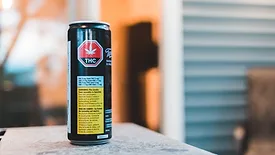
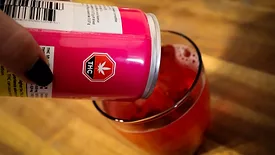
The legislation comes ahead of an impending end-of-year deadline set in the FY 2026 appropriations bill that is expected to remove most currently marketed intoxicating, hemp-derived THC beverages from the legal market by the end of 2026 through the closure of a loophole created by the 2018 Farm Bill.
In the U.S., as part of the appropriations bill ending the government shutdown, Congress closed the 2018 Farm Bill loophole allowing the sale of hemp-derived THC products, such as edibles and beverages. At the same time, in the EU, the European Food Safety Authority (EFSA) set a safe intake level for Delta-8 THC in food.
The UK Food Standards Agency has established a safe upper limit for THC consumed in hemp-derived CBD foods and beverages of 0.07 milligrams per day, and is encouraging businesses to reformulate CBD products in light of the new THC recommendations.
A new nonprofit organization called the Adult Beverage Alliance (ABA) has been formed in Massachusetts with the goal of advocating for responsible state-level regulation of drinks containing hemp-derived cannabidiol (CBD) and tetrahydrocannabinol (THC).
The Health Service Executive of Ireland’s National Social Inclusion Office has issued a warning about synthetic cannabinoids appearing in gummies and candies guised as Tetrahydrocannbinol (THC) edibles.
The U.S. Food and Drug Administration (FDA) recently announced that consumers should not ingest any marijuana-infused products that contain delta-8 THC, aka delta-8 tetrahydrocannabinol.
While more U.S. states continually pass recreational and medical cannabis legislation, opening the door to use of cannabis for personal and health-related reasons, from a national perspective, regulatory authorities lack a centralized, cohesive structure.