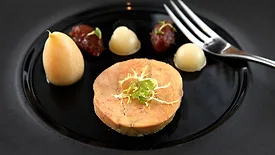
The Food Standards Australia New Zealand (FSANZ) Board approved an application to permit the use of cell-cultured duck biomass in combination with other ingredients to make products such as foie gras and pâté.
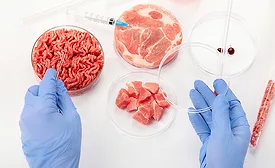
Published by the UK Food Standards Agency and Food Standards Scotland, this is the third package of guidance for businesses developing cell-cultivated food products, produced by the ongoing Cell-Cultivated Products Sandbox Program.
The 11th Circuit's Upside Foods decision has narrowed the path for federal preemption challenges to state cultivated meat bans, with significant implications for state regulation, interstate commerce, and food industry compliance.
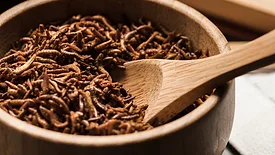
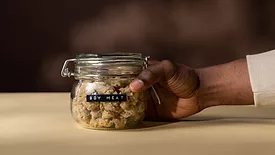
The findings highlighted the importance of considering rearing substrate composition when assessing the allergen safety and labeling of insect-based foods
The research and development center is designed to provide shared infrastructure for developing and testing emerging food technologies, biomaterials, and other products. It will offer industry, academics, and nonprofits with access to prototyping, characterization, culinary testing, and early-stage consumer testing resources.
The resources were produced through the Cell-Cultivated Products Sandbox Program and cover hygiene requirements; identity, production, and microbiology; product applications; and novel food taste trials.
The bipartisan bill would prohibit the sale of “mislabeled” alternative protein products, requiring such products to bear “accurate” labels that clearly differentiate them from conventional meat and poultry.
Novel foods approved for import and sale in Singapore include cultivated chicken and quail, mycoprotein, algal and fungal biomasses, precision-fermented sodium salts, and other foods.
Effective July 1, HB 1153 bans the sale of milk products produced through cell-culturing and sets forth labeling requirements for products containing cell-based, insect-based, or plant-based protein.
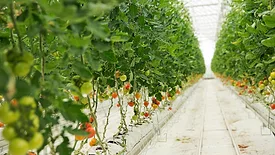
The report groups new food production technologies like precision fermentation, controlled environment agriculture, and cell-culturing by their expected impact and feasibility to help regulators and industry target evidence generation, guidance development, and regulatory preparedness efforts.
 RSS
RSS