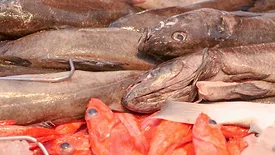
An international study has shown that European seafood is high in PFAS, and that fish exports expose consumers in regions of the world with otherwise low levels of pollution to harmful “forever chemicals.”
The European Commission has announced several new measures to significantly expand and strengthen its controls for food and feed products entering the EU, including increased audits in third countries and at EU borders, additional checks for frequently non-compliant countries and commodities, a dedicated task force, and other changes.
As of December 2, laboratory-confirmed cases in the ongoing Salmonella outbreak linked to pistachios has reached 155, and CFIA now requires importers and manufacturers of Iranian pistachios to hold and test their products for Salmonella before they can be sold.
The Spanish Federation of Agricultural Cooperatives of Murcia (Fecoam) points to recent RASFF food safety notifications about U.S. nuts demonstrating dangerous levels of aflatoxin contamination—with almonds exceeding EU maximum levels by three times in one instance—and calls for stricter import controls.
A new study underscores that the level of consumer protection afforded by the food import control measures established in Commission Implementing Regulation (EU) 2019/1793 may not be proportionate to the resources invested.
The Trade Control and Expert System (TRACES) is the EU’s digital platform for managing sanitary, phytosanitary, and food safety certification to support the trade of regulated products.
The Canadian Food Inspection Agency (CFIA) has enacted regulatory amendments with the goal of reducing red tape regarding labeling, traceability, and imports
for fresh fruit/vegetable producers and the poultry/egg industries—specifically, hatcheries.
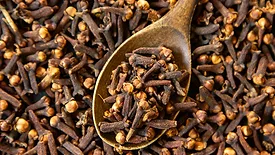
After FDA discovered radioactive isotope Cesium-137 in shipments of shrimp and spices from Indonesia, the Indonesian government launched an investigation and discovered environmental contamination near where the shrimp processor is located. The cause of cloves contamination is not yet determined.
After discovering radioactive isotope Cesium-137 in shipments of shrimp and spices from Indonesia, FDA is exercising for the first time a power granted by Congress under the Food Safety Modernization Act (FSMA) to require food safety certification for imports.
FDA detected radioactive isotope Cesium-137 (Cs-137) in a shipment of Indonesian cloves, due to heightened surveillance efforts initiated after radioactive shrimp was detected in another Indonesian import. Additionally, the radioactive shrimp recall has been expanded, and now affects Walmart, Kroger, and other retailers nationwide.
 RSS
RSS