The UK-based Chilled Food Association (CFA) has produced an industry-led good practice guidance for manufacturers and retailers of ready-to-eat (RTE) foods that may support the growth of Listeria monocytogenes to support compliance with UK and EU regulations on the microbiological criteria for foods.
With the goal of helping retail food regulatory programs progress toward achieving FDA’s Retail Program Standards, grant funding supports capacity building, workforce development, and targeted program improvements that strengthen food safety at the retail level.
In this episode of Food Safety Matters, we speak to acclaimed food policy journalist Helena Bottemiller Evich about the rise of the “Make America Healthy Again” (MAHA) movement, the current state of food and nutrition policy under its agenda, and predictions for its future.
According to a report from the Office of the Inspector General (OIG) for USDA, 20,306 employees left the agency between January and June 2025. This does not include any attrition from the agency’s planned reorganization or the federal government shutdown.
USDA-FSIS has named Robert Bane as the new Deputy Administrator of Field Operations, who will serve alongside Deputy Administrator Dr. Denise Eblen in the Office of the Administrator. FSIS also announced several other appointments in different offices.
A U.S. appeals court has ruled that USDA must amend the Bioengineered Food Disclosure Standard to close the loophole that exempts certain “ultra-processed” foods (UPFs) from displaying label disclosures for genetically modified (GM) ingredients. Additionally, the court ruled that QR code-only disclosures are unlawful without explicit on-label statements.
INNEO is a peptide-based antimicrobial processing aid. USDA’s No Objection Letter enables U.S. meat and poultry processors to use INNEO both as a surface treatment and directly within the food matrix of comminuted products.
A report published by the U.S. Government Accountability Office (GAO) assessed FDA’s completion of the Food Safety Modernization Act (FSMA) and identified several areas requiring more work, such as FSMA 204 implementation, certain Produce Safety Rule and Preventive Controls guidances, and required assessments.
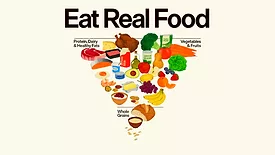
The Dietary Guidelines for Americans 2025–2030 were unveiled on January 7 alongside a new, inverted food pyramid that elevates the importance of protein and dairy, and an “eat real food” messaging campaign that denounces “highly processed food.”
The European Commission has published a revised guidance document on monitoring and shelf-life studies for Listeria monocytogenes in ready-to-eat (RTE) foods in compliance with recent amendments to Regulation (EU) 2073/2005 on the microbiological criteria for foods.
 RSS
RSS