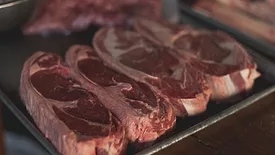




Per Trace One’s analysis of FDA National Antimicrobial Resistance Monitoring System (NARMS) data, the U.S. states with the highest levels of Salmonella and Campylobacter contamination in retail meat are Georgia, South Carolina, and Tennessee.
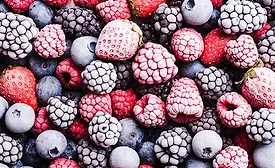
The Environmental Working Group’s (EWG’s) 2025 Dirty Dozen list considers pesticide toxicity for the first time. While critics say the list is alarmist and may discourage the consumption of safe fruit and vegetables, EWG argues that “legal does not mean safe” when it comes to pesticide residues.
During its 100th session held in June, the FAO/WHO Joint Expert Committee on Food Additives (JECFA) evaluated the safety of eight food additives and one processing aid, including rosemary extract, Gardenia Blue, and carob bean gum, and revised the specifications of seven other additives and processing aids.
In this episode of Food Safety Matters, we speak with Jatin Patel, Director of Operations for FGS Ingredients, about how the company handled a recall of several of its mustard-based products due to peanut contamination, the measures the company has implemented to prevent future risks, and the broader implications for food safety standards.
A study suggests that some food matrices (i.e., smoked fish and soft cheese) significantly increase the ability of Listeria monocytogenes to adapt, survive digestion, and cause infection. Based on the findings, modulating the fat and protein content in food could be one potential way to reduce L. monocytogenes risk.
Louisiana recently enacted Senate Bill 14, which HHS Secretary Kennedy called a “Make America Healthy Again (MAHA) bill,” targeting more than 40 food ingredients—such as seed oils, food colorings, sweeteners, and other additives—through product label disclosures and public school meal bans.
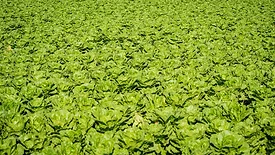
Reflecting on 20 years of research, scientists from the University of Pretoria and the Water Research Commission in South Africa are calling for better national water quality standards, as well as regular surveillance and testing of water sources and produce, to address contaminated irrigation water and improve produce safety.
JBT Marel recently launched its patented Efficient Agitation Retort, which optimizes static processing and agitation to provide flexible preservation solutions across a wider range of packaging formats, including those for ready-to-eat (RTE) food products.
The UK Food Standards Agency has established a safe upper limit for THC consumed in hemp-derived CBD foods and beverages of 0.07 milligrams per day, and is encouraging businesses to reformulate CBD products in light of the new THC recommendations.
A survey of produce growers found that seven percent of respondents do not implement food safety risk reduction practices on their farms, reporting time and money to be the biggest challenges. Larger operations and farms subject to third-party audits were more likely to adopt risk reduction practices.