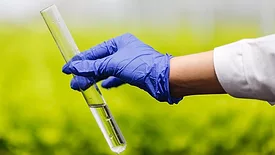
A two-year study of Southeastern U.S. watersheds confirmed that surface water harbors complex, clinically relevant Salmonella populations that differ from food animal datasets—revealing critical gaps in understanding environmental Salmonella transmission and the need for robust One Health surveillance systems.
U.S. Senator Bill Cassidy, Chair of the HELP Committee, has written a letter to ByHeart Inc., the infant formula manufacturer linked to an ongoing botulism outbreak, demanding answers about the conditions that led to the sale of unsafe product.
In this year-end episode of Food Safety Matters, we round up the top stories of 2025, covering U.S. federal food safety policy changes under the Trump Administration, MAHA- and state-led moves against food additives of concern and ultra-processed foods, infant formula safety, science on Listeria and biofilms, ongoing monitoring of avian flu, and AI food safety applications.
University of Georgia researchers conducted a review to compile and communicate best practices for reducing the spread of foodborne pathogens among beef cattle herds prior to processing, with a focus on Shiga toxin-producing Escherichia coli.
In a new scientific opinion, the European Food Safety Authority (EFSA) says the risk of highly pathogenic avian influenza H5N1 (HPAI H5N1) spreading from U.S. dairy cattle to Europe is very low, but still stresses preparedness and heightened surveillance.
In a retrospective analysis of two Listeria monocytogenes outbreaks linked to packaged salads, CDC epidemiologists underline key learnings and suggest proactive measures for industry.
This episode of Food Safety Five discusses scientific recommendations around ultra-processed food (UPF) definitions and policy, a study demonstrating the antimicrobial efficacy of common sanitizers in potato wash water, and a review outlining the food safety risks of edible flowers. Also discussed are regulatory and standards developments in the U.S., EU, and at the international level.
The Compact Integrated Xenon Lamp (CIXL) from XENON Corporation is a fully integrated, plug-and-play system that delivers pulsed light—a technology that provides food processors with a non-chemical method for pathogen control on food contact materials and food packaging.
A new USDA study suggests that the “green,” biodegradable enzyme ficin can improve the efficacy of conventional sanitizers when used as a pre-treatment in egg processing environments, reducing the contact time and sanitizer concentration required to achieve Salmonella biofilm inactivation.
A study used machine learning to analyze WGS data for Salmonella isolates from ten European nations. The findings reveal that poultry and pigs remain the dominant sources of human salmonellosis. Notable cross-border transmission underscores the need for internationally harmonized control strategies.
 RSS
RSS