A recent study has provided insight into the prevalence of Staphylococcus aureus on the hands of foodservice employees, as well as the pathogenicity and antimicrobial resistance (AMR) of S. aureus isolates.
According to Health Canada, approximately four in ten people living in Northern Canada have been infected by the foodborne parasite Toxoplasma gondii, which is a much higher rate than is seen in Southern Canada.
Two studies funded by the Center for Produce Safety aim to identify production practices that may contribute to Salmonella contamination of bulb onions and food safety control strategies for the commodity.
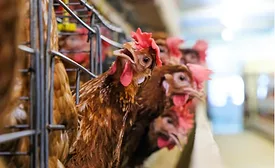
A recent report has demonstrated that there is little oversight of antibiotics in meat and poultry sold at U.S. grocery stores, raising food safety concerns regarding antimicrobial resistance.
Part of Food Safety Magazine’s series with the U.S. Food and Drug Administration (FDA), titled, “Evolution of a New Era: Advancing Strategies for Smarter Food Safety,” this episode of Food Safety Matters discusses the agency’s commodity-specific strategies to prevent foodborne illness outbreaks through FDA's Foodborne Outbreak Response Improvement Plan under the New Era of Smarter Food Safety initiative. We are joined by Stephen Hughes, Prevention Coordinator in the Office of Food Safety at FDA's Center for Food Safety and Applied Nutrition, and Dr. Jennifer McEntire, Chief Food Safety and Regulatory Officer at the International Fresh Produce Association (IFPA).
The Food and Agriculture Organization of the United Nations (FAO) recently published two reports—one on control measures for Shiga toxin-producing Escherichia coli (STEC) in meat and dairy products, and another reviewing Listeria monocytogenes attribution, characterization, and monitoring in ready-to-eat (RTE) foods.
The U.S. Department of Agriculture’s Food Safety and Inspection Service (USDA’s FSIS) has proposed a regulatory framework that would change food safety in the poultry industry, including new flock testing requirements, enhancing process control and verification, and implementing enforceable final product standards.
A recent study has confirmed human fecal indicators on 50 percent of food-safe, single-use, new and unused gloves, as well as foodborne pathogens and other microbes.
The meat and poultry industries are an interesting mix of conservative practices and innovation. This article examines five topics and their implications to protein food, including meat safety as a model for the produce industry; increased interest in Salmonella and Listeria; USDA proposed rulemaking for meat and poultry; the move toward aggregated sampling; and developing safety needs for tissue-cultivated products.