Designated by the European Commission, Denmark and Sweden have formed a public health consortium to jointly establish an EU reference laboratory or antimicrobial resistance (AMR), which will contribute to diagnostics and infection preparedness.
With funding from the Center for Produce Safety, a researcher from the University of Arizona is exploring the usefulness of a handheld genetic sequencing device for in-field microbial characterization of irrigation water by the produce industry.
Researchers recently demonstrated the inadequacy of an industry standard quality test—Laboratory Pasteurization Count—for raw, organic milk, as it cannot sufficiently differentiate between groups of bacteria.
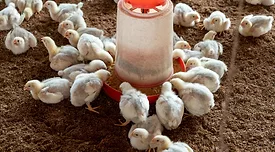
Scientists from USDA’s Agricultural Research Service are exploring how “transgenerational protection”—which is the ability of layer hens to pass along their resistance to Salmonella to their broiler chicks—can be encouraged, to ultimately reduce early colonization that introduces microbial contamination at the processing plant and poses a food safety risk to consumers.
Researchers have created a coating for galvanized steel food containers that repels bacteria and fungi, is mud-resistant, and reduces the risk of corrosion.
The FAO/WHO Joint Expert Meetings on Microbiological Risk Assessment (JEMRA) convened to review the most recent scientific literature regarding the control of Campylobacter on chicken meat. The experts emphasized the importance of a multi-hurdle approach in production and processing.
The Joint Food and Agriculture Organization of the United Nations (FAO)/World Health Organization (WHO) Expert Meeting on Microbiological Risk Assessment (JEMRA) recently convened to discuss the most recent literature on prevention and intervention measures for foodborne viruses.
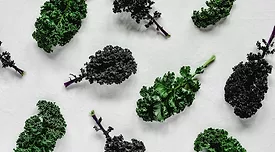
A recent study has identified factors that determine the susceptibility of different leafy greens to foodborne Escherichia coli, including storage temperatures, leaf roughness, and natural wax coating. The researchers also found that the juices of kale and collard leaves have a natural antimicrobial effect.
The U.S. Food and Drug Administration (FDA) has updated its list of chemicals that are undergoing postmarket safety assessment. The list also newly includes information about the status of the postmarket assessments and links to public information about postmarket actions that have been taken.
 RSS
RSS