A recent study of Pseudomonas spoilage microorganisms isolated from dairy products in Spain identified the presence of highly biofilm-forming, antimicrobial-resistant (AMR) strains, presenting challenges for dairy industry control strategies, and posing the risk of transfer of AMR genes to pathogenic foodborne bacteria.
Researchers from CDC, FDA, and USDA trained an artificial intelligence (AI) machine learning model to conduct food source attribution for human cases of salmonellosis by analyzing whole genome sequencing (WGS) data for Salmonella isolates. The model showed promise, estimating that the majority of salmonellosis cases are caused by chicken and vegetables
A study from Public Health Agency of Canada researchers raised concerns about the persistence of Salmonella and Campylobacter in broiler chickens that are resistant to important Category I antimicrobials.
FAO has published a summary of an expert meeting on foodborne toxigenic clostridia (i.e., Clostridium botulinum, Clostridium perfringens, and Clostridioides difficile), characterizing their relevant food safety aspects, describing control measures, and identifying knowledge gaps and research needs.
The U.S. Centers for Disease Control and Prevention (CDC) has updated its estimates for the burden of domestically acquired foodborne illnesses in the U.S. caused by major pathogens. Norovirus was the leading cause of illnesses and hospitalizations, but Salmonella topped fatalities.
The UK Health Security Agency (UKHSA) is investigating a listeriosis outbreak involving five illnesses and three deaths. Desserts served at healthcare facilities are being considered as the potential vehicle of illness. The desserts tested positive for low levels of Listeria monocytogenes, but have not been confirmed as the source of the outbreak.
Consumer Reports recently released a report revealing the “most contaminated” poultry plants in the U.S., based on an analysis of USDA-FSIS Salmonella testing data.
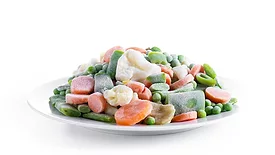
According to a survey by CDC researchers, nine percent of consumers reported eating prepackaged frozen vegetables raw and 40 percent reported not following cooking instructions, underlining the importance of preventive controls and processing steps to reduce pathogen contamination during production.
This episode of Food Safety Five discusses two recent scientific studies that are advancing the food industry’s understanding of and ability to address Listeria monocytogenes, including new findings about the pathogen’s behavior in biofilms and a developing rapid detection method.
The Innovation Center for U.S. Dairy is offering four in-person food safety training opportunities throughout 2025, designed to help the dairy industry strengthen contamination control practices to protect consumers from foodborne illness.
 RSS