Recent testing for phthalates and bisphenols like BPA in foods found all but one sample to contain phthalates and 79 percent of samples to contain bisphenols. Phthalates were present at worryingly high levels, although levels of bisphenols have decreased since 2009. The study was conducted by Consumer Reports.
In this episode of Food Safety Matters, we review the top food safety stories of 2023 and their implications, covering regulatory changes in the U.S. and abroad; growing concerns about chemical additives and contaminants, allergens, traceability requirements, infant formula, and retail foodservice safety; and the Poisoned documentary that premiered on Netflix in summer 2023.
A proposed strategy from the U.S. Environmental Protection Agency (EPA) aims to improve the agency’s screening process for the harmful effects that pesticides and agricultural chemicals may have on the human endocrine system, starting with immediately requiring additional data to be submitted by the manufacturers of certain high-priority chemicals.
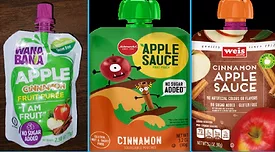
With regard to the recently recalled, lead-contaminated applesauce packages that have caused lead poisoning among dozens of children, Jim Jones, Deputy Commissioner for Human Foods at the U.S. Food and Drug Administration (FDA), recently shared that the agency’s leading theory is economically motivated adulteration of cinnamon used in the products.
New microbial and chemical risks come with the greater incorporation of plant-based raw materials into human diets and the introduction of reusable packaging
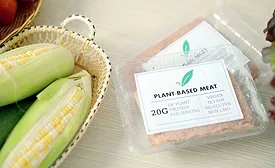
The added microbial risks that come with eating more plant-based foods can usually be mitigated by adjusting recipes or process parameters, although hazard considerations regarding the chemical safety of a diet richer in plant-based materials is more complex. Also, introducing reusable packaging may come with its own set of issues.
Recently introduced to the U.S. Senate, the Stephen Hacala Poppy Seed Safety Act would prohibit the sale of poppy seeds that contain harmful levels of opiates and require the U.S. Food and Drug Administration (FDA) to issue regulations that establish a maximum level of contamination
The World Health Organization’s (WHO’s) International Agency for Research on Cancer has classified two types of per- and polyfluoralkyl substances—perfluorooctanoic acid (PFOA) and perfluorooctanesulfonic acid (PFOS)—as “carcinogenic to humans” and “possibly carcinogenic to humans,” and noted that the general population’s main route of exposure to these chemicals is through food and drinking water.
The Joint FAO/WHO Expert Committee on Food Additives (JECFA) recently reaffirmed a “not specified” acceptable daily intake (ADI) for titanium dioxide, as well as concluded that there is no safety concern for and established the specifications for 21 flavoring agents.
During World Antimicrobial Awareness Week (November 18–24), the U.S. Department of Agriculture (USDA) released its USDA Strategy to Address Antimicrobial Resistance (AMR) 2023.
 RSS
RSS