Researchers recently demonstrated the inadequacy of an industry standard quality test—Laboratory Pasteurization Count—for raw, organic milk, as it cannot sufficiently differentiate between groups of bacteria.
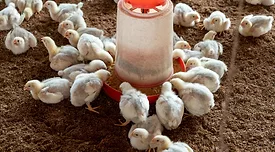
Scientists from USDA’s Agricultural Research Service are exploring how “transgenerational protection”—which is the ability of layer hens to pass along their resistance to Salmonella to their broiler chicks—can be encouraged, to ultimately reduce early colonization that introduces microbial contamination at the processing plant and poses a food safety risk to consumers.
Researchers have created a coating for galvanized steel food containers that repels bacteria and fungi, is mud-resistant, and reduces the risk of corrosion.
The FAO/WHO Joint Expert Meetings on Microbiological Risk Assessment (JEMRA) convened to review the most recent scientific literature regarding the control of Campylobacter on chicken meat. The experts emphasized the importance of a multi-hurdle approach in production and processing.
Missouri and Washington are the latest states to introduce bills to ban the same four food additives as the California Food Safety Act: brominated vegetable oil, potassium bromate, propylparaben, and red dye 3.
A bill has been introduced by California Assemblymember Jesse Gabriel (D-46), who was also behind the recently passed California Food Safety Act, to the California Assembly. Assembly Bill (AB) 2316 would prohibit food containing red dye 40 and titanium dioxide, among other color additives, from being offered by California public schools.
CEJN North America recently introduced the first-ever commercial metal and X-ray -detectable plastic blow gun—the 208 Detect—compliant with EU and U.S. food safety regulations.
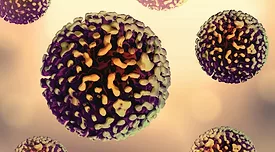
The Joint Food and Agriculture Organization of the United Nations (FAO)/World Health Organization (WHO) Expert Meeting on Microbiological Risk Assessment (JEMRA) recently convened to discuss the most recent literature on prevention and intervention measures for foodborne viruses.
New food allergen labeling requirements recently came into effect in Australia and New Zealand. A guidance for industry has been published to help manufacturers, importers, and retailers with compliance.
After hundreds of children across the U.S. contracted lead poisoning after eating fruit puree pouches containing contaminated cinnamon, the U.S. Food and Drug Administration (FDA) has identified six additional ground cinnamon products that were found to contain elevated levels of lead. The agency has issued a recall.
 RSS
RSS