Results of sampling and testing of imported honey for signs of economically motivated adulteration conducted by the U.S. Food and Drug Administration (FDA) in 2022–2023 has revealed only 3 percent of samples to be violative.
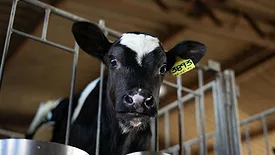
In light of recently confirmed cases of highly pathogenic avian influenza (HPAI) in U.S. dairy cows and now in one person, James (Jim) Jones, FDA Deputy Commissioner for Human Foods revealed that HPAI has become the “highest priority” within the agency’s Human Foods Program, and that the agency has set up a set up a dedicated Incident Management Team (IMT) to respond to the developing threat.
A recent study conducted by scientists from the Quadram Institute and the UK Health Security Agency has revealed that, despite cleaning, Listeria monocytogenes are able to persist in ready-to-eat (RTE) food production environments, supported by diverse bacterial populations that also remain stable over time.
University of Rochester scientists have successfully demonstrated the ability of a novel electrocatalysis method to remove a harmful and pervasive type of per- and polyfluoroalkyl substance (PFAS) from water.
Designated by the European Commission, Denmark and Sweden have formed a public health consortium to jointly establish an EU reference laboratory or antimicrobial resistance (AMR), which will contribute to diagnostics and infection preparedness.
Addressing concerns around brominated flame retardants in the environment and food, the European Food Safety Authority (EFSA) is updating its decade-old risk assessments on different families of the chemicals. EFSA has launched a public consultation regarding the draft scientific opinion on the update of the risk assessment of tetrabromobisphenol A (TBBPA) and its derivatives in food.
With funding from the Center for Produce Safety, a researcher from the University of Arizona is exploring the usefulness of a handheld genetic sequencing device for in-field microbial characterization of irrigation water by the produce industry.
NASEM has completed a study to better understand the nutritional benefits of seafood consumption versus the health hazards posed by contaminants like toxic heavy metals. The study fulfills a request from FDA, partly in a Closer to Zero effort to answer questions about mercury exposure. A webinar about the findings will be held on March 26, 2024.
PFAS are sometimes used in pesticides as active substances or co-formulants. An analysis of EU pesticide residue monitoring data by Pesticide Action Network Europe shows that the average proportion of produce containing PFAS pesticide residues in the EU has nearly tripled over the last decade.