Commercial Food Sanitation (CFS) Institute North America, housed at the Intralox global headquarters in New Orleans, Louisiana, will be home to trainings, collaboration, and hygienic design support for food industry sanitarians and processors.
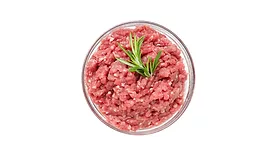
In August, an outbreak of Shiga toxin-producing Escherichia coli O:157 (STEC) infections at Belgian long-term care facilities sickened more than 70 people, resulting in nine deaths. Raw ground beef is the probable vehicle of illness.
The UK Food Standards Agency (FSA) has reported on the outcomes of the recently concluded, £24 million Pathogen Surveillance in Agriculture, Food, and the Environment (PATH-SAFE) program, and announced that it will continue to build on the work of PATH-SAFE with a national Food Surveillance Program.
The threats to food safety are evolving, and so must our approaches. The traditional boundaries between safety, nutrition, and public health are increasingly artificial—and increasingly counterproductive.
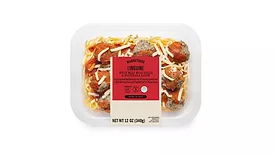
An ongoing outbreak of Listeria monocytogenes infections linked to prepared pasta meals has expanded to 15 states, causing 20 illnesses, 19 hospitalizations, and four deaths. The meals were sold under various brand names at Walmart, Kroger, and Trader Joe’s stores.
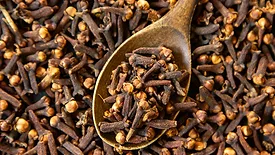
FDA detected radioactive isotope Cesium-137 (Cs-137) in a shipment of Indonesian cloves, due to heightened surveillance efforts initiated after radioactive shrimp was detected in another Indonesian import. Additionally, the radioactive shrimp recall has been expanded, and now affects Walmart, Kroger, and other retailers nationwide.
The European Food Safety Authority (EFSA) has released its 2025 Eurobarometer Survey on Food Safety in the EU, which gauges the awareness and perceptions of EU food safety systems and risks among European citizens.
By joining the Alliance to Stop Foodborne Illness, the Meat Institute will promote food safety best practices and engage in other efforts to prevent foodborne illness on behalf of meat and poultry companies.
A series of U.S. consumer surveys from the International Food Information Council (IFIC) show that consumer confidence in U.S. food safety has hit an all-time low, and explore consumer perceptions of food recalls and FDA’s Generally Recognized as Safe (GRAS) rule.
Hosted in Riyadh, Saudia Arabia by the Saudi Food and Drug Administration (SFDA) and FAO, the Hack4SaferPlates Hackathon aimed to foster sustainable, tech-driven solutions to food safety challenges across the Near East and North Africa.
 RSS
RSS