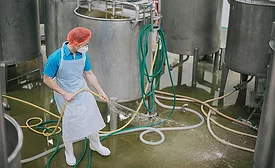
This article discusses the value of 5S methodology applied to the sanitation team to effect organization, efficiency, efficacy, safety, and standardization.
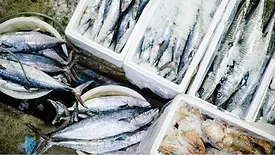
A recent evaluation of the UK post-harvest seafood supply chain has pinpointed factors that leave the nation’s seafood supply vulnerable to food fraud, with third-party certification identified as the most important factor associated with a company’s level of defense against food crime.
In this episode of Food Safety Matters, we are joined by Caroline Smith DeWaal, J.D. and Richard Pluke, Ph.D., who discuss their work to improve food safety in traditional markets under the Global Alliance for Improved Nutrition’s (GAIN’s) five-year EatSafe Initiative.
With a focus on fresh-cut produce in the U.S./North America, this article explores critical questions related to the improvement and modernization of the microbial outbreak investigation process.
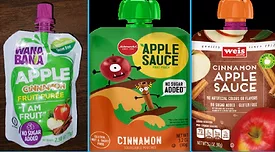
Following a lead poisoning outbreak linked to adulterated cinnamon fruit puree pouches that affected hundreds of children, the U.S. Food and Drug Administration (FDA) issued a warning letter to Dollar Tree, Inc. due to its failure to remove the recalled products from stores.
Powerful storytelling is a transformative tool for food safety, capable of bridging the communication gap between food safety professionals and top management. The "hero" and "guide" relationship of top management and food safety professionals, characterized by mutual trust and a shared goal, underscores the collaborative nature of achieving food safety objectives.
A recent article identifies the challenges associated with allergenicity assessments of novel proteins and proposes a potential framework to prioritize proteins for allergenicity assessment.
The infant formula shortage of 2022 was precipitated by FDA’s delayed response to whistleblower complaints about contaminated product—a delay caused by the agency not having the necessary policies and procedures in place to address the issue at the time—according to a new report published by the U.S. DHHS’ Office of the Inspector General.
Intended to inform food safety decision-making, a new risk assessment model developed by researchers at Penn State University helps milk processors evaluate possible consumer exposure to Bacillus cereus from milk subjected to high-temperature, short-time pasteurization.
The African Union, with support from the International Livestock Research Institute (ILRI), is developing new guidelines to help African governments improve food safety across the continent’s vast informal food sector.
 RSS
RSS