Can 5S Be a Useful Methodology for the Sanitation Team?
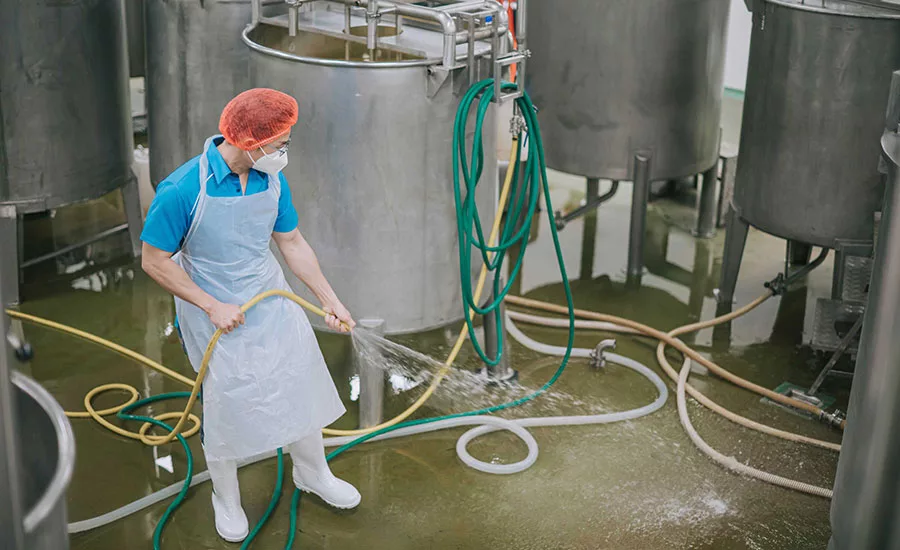
There are multiple benefits to implementation of 5S methodology in the sanitation process and areas, including engagement of the sanitation team
When I was hired by Swift & Company in 1979, they brought me into the Chicago headquarters to meet with some of the corporate quality assurance personnel with whom I would be working. In the lobby of the building, there was a picture of Gustavus Swift, founder of the company and innovator of the ice-cooled rail car to efficiently ship meat around the country. Under the picture was a quote attributed to him: "Still, I am learning." Those words have stayed with me, through 43 years of employment in the industry and now through almost three years of retirement. To continually improve, we must continually learn.
Throughout my career, I have been fortunate to have learned from people far wiser and smarter than me, and all are appreciated. Whether mentors, peers, supervisors, coworkers, suppliers, or customers, I have been blessed with people who are willing to share their expertise. At about the midpoint of my food industry career, I was asked by one of our valued customers to participate in a "kaizen" event to improve the efficiency of their sandwich making process. The customer invited several of its suppliers to its headquarters and production location, where they introduced us to the owner and personnel from food safety and quality assurance, purchasing, sanitation, and production. It was impressive that the owner demonstrated leadership and participated throughout the entire process.
During the first day, the customer identified the intention of the project, as well as the tools that would be used. They explained that kaizen was a Japanese term meaning "change for better" or "improvement." They also taught us about the 5S tool we would follow to improve the sandwich preparation process. Both were new concepts to me, but when 5S was presented, it made so much sense as to how it could be applied throughout the industry. We completed the event and presented the team with recommendations for improvement. The leadership team thanked us and let us know they would consider the recommendations and provide feedback. It was rewarding to know that several of the recommendations that came out of the event were implemented and became effective at improving the customer's sandwich making process.
The 5S methodology can be implemented for continuous improvement in the food plant sanitation process. First, it will be helpful to start with a breakdown of the steps in 5S
5S Explained
The Japanese innovated the 5S process as a means of organizing the workspace, and in doing so increase efficiency and effectiveness. The five "S" components break down as described in Table 1.
These are mostly "textbook" explanations, so examples are needed of how each level of the 5S methodology can be implemented in the sanitation process.
5S for Sanitation
The first step when introducing any improvement process is to gain support from the area or department where it is to be implemented. In the case of implementing 5S for sanitation, create an event. Set a day where the team can be introduced to the objective, specifically improvement in the sanitation area and process. Present the 5S steps and explain the benefits to the team. When holding the event, keep in mind that personnel may be coming off their shift and may be fatigued, so keep the event focused and limit the time they will be sitting and listening—but also keep them engaged by asking questions and soliciting input.
Looking for quick answers on food safety topics?
Try Ask FSM, our new smart AI search tool.
Ask FSM →
If the event can be held during a time when the sanitation personnel are not scheduled to work (not on their weekend), then schedule it when they can be fresh and alert. Provide refreshments and do not scrimp; find out what they prefer for meals, beverages, and snacks. The information must be presented by personnel who are educated in 5S and have led a 5S process. In addition, the event must include leadership of the organization, such as the general manager, human resources, food safety/quality, and department managers. Even better, have the CEO or president of the company attend to provide encouragement to the sanitation team and let them know that what they do is vital to the success of the organization.
Once the sanitation personnel have been educated on the process, set up teams to begin the process. Limit the team size to 2–3 people so they can focus on their specific assignment, and then give them a set time to assess so they are not distracted or interrupted. For this article, I will be limiting the area of focus to the personal protective equipment (PPE)/tool storage areas. Table 2 provides examples of the steps that can occur in in the assessment of the storage area.
Benefits of Sanitation 5S
As the process unfolds, there are multiple benefits to implementation of 5S methodology in the sanitation process and areas. Certainly, one of the greatest benefits is engagement of the sanitation team personnel and creating a sense of pride in the ownership of their work area(s). This can create a culture of quality and expectation within the sanitation team that can spread to other functions.
In addition, there are a number of benefits to efficiency and efficacy:
- Items needed for the sanitation process are accessible, which eliminates unnecessary motion and makes the process more efficient.
- Every item has a specific site, and the team members know where to find each item, which is particularly beneficial to new team members.
- Personnel who may be unfamiliar with the process are better able to visualize potential problems with the process.
- Defined procedures make the process consistent and repeatable.
- A better-defined process provides "agility" for changes that can result in further improvement.
- The workspace is made safer for the sanitation personnel.
Summary
Implementation of the 5S process can be beneficial to the sanitation team and the sanitation process. Since the sanitation team's efforts are so important to the production of safe, wholesome foods that meet consumer expectations, it is vital to help this team be successful. Part of that success is to make sure they are "still learning," that they are safe, and that they are involved in their process for pride in ownership.
Michael Cramer, PCQI, retired in July 2021 as Senior Director of Food Safety and Quality Assurance for Ajinomoto Foods North America. He is a graduate of West Chester University with a B.Sc. degree in health science. He has spent over 40 years in food manufacturing for meats, poultry, and frozen entrées. He authored the book Food Plant Sanitation, as well as numerous articles for Food Safety Magazine, where he is a member of the Editorial Advisory Board. He is a Certified Quality Auditor and PCQI.