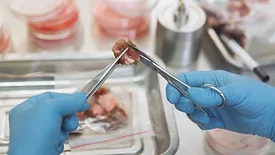
Published by the UK Food Standards Agency and Food Standards Scotland, this is the third package of guidance for businesses developing cell-cultivated food products, produced by the ongoing Cell-Cultivated Products Sandbox Program.
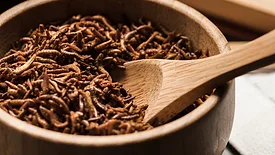
The findings highlighted the importance of considering rearing substrate composition when assessing the allergen safety and labeling of insect-based foods
The research and development center is designed to provide shared infrastructure for developing and testing emerging food technologies, biomaterials, and other products. It will offer industry, academics, and nonprofits with access to prototyping, characterization, culinary testing, and early-stage consumer testing resources.
Novel foods approved for import and sale in Singapore include cultivated chicken and quail, mycoprotein, algal and fungal biomasses, precision-fermented sodium salts, and other foods.
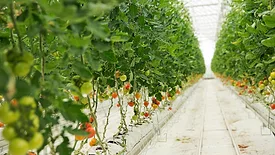
The report groups new food production technologies like precision fermentation, controlled environment agriculture, and cell-culturing by their expected impact and feasibility to help regulators and industry target evidence generation, guidance development, and regulatory preparedness efforts.
The paper reviews international frameworks and national and regional regulations. FAO recommends priority actions for national and regional authorities.
EFSA established a provisional safe intake level for adults for CBD as a novel food while highlighting that data gaps continue to exist regarding possible effects of CBD on the liver and the endocrine, nervous, and reproductive systems.
As a result of the ongoing Cell-Cultivated Products sandbox program, the UK Food Standards Agency (FSA) has published the first of several guidances on the food safety and hygiene of cell-cultured food production; specifically, on HACCP and other applicable requirements under UK regulations for lab-grown meat.
Health Canada has determined that foods derived from cloned cattle and swine are safe and should no longer be considered novel foods, and has proposed policy revisions that would regulate these foods in the same manner as their traditional counterparts.
Regulatory agencies based in Abu Dhabi, UAE have launched a strategic initiative to develop a regulatory framework for novel foods and processes, such as alternative proteins and precision fermentation.