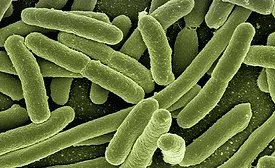
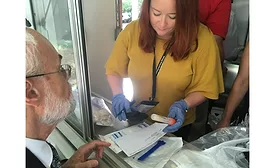
The U.S. Food and Drug Administration (FDA) recently released a report on foodborne illness in retail food store deli departments, using data collected between 2015–2016.
Food safety stories are essential to communicate lessons learned and share the practical experiences of food safety professionals to enhance the effectiveness of food safety training.
After a foodborne outbreak is identified, specific food vehicles may become the focus of an investigation based on the pathogen implicated and past outbreaks linked to the pathogen.
In an effort to allow FDA to sample water, soil and environmental conditions on USDA-regulated concentrated animal feeding operations (CAFOs), New York Sen. Kirsten E. Gillibrand introduced a bill that would provide the FDA authority to conduct microbial sampling on CAFOs as necessary for a foodborne illness outbreak investigation, determine the outbreak’s root cause or address other public health needs.
“Partners with a Common Purpose,” is an initiative that recognizes a common purpose embraced and supported by both government regulators and industry alike in improving public health and consumer services.
The most common potential sources for foodborne illnesses are the highly perishable, animal protein-rich ingredients, specifically meats, fish, eggs, and milk and other dairy products
The most common potential sources for foodborne illnesses are the highly perishable, animal protein-rich ingredients, specifically meats, fish, eggs, and milk and other dairy products.
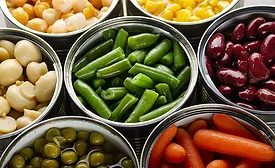
The processed food segment contributed about one-third share of the total market in 2017, and will continue to maintain its dominance through 2025.
Increasing cases of foodborne illnesses due to food contamination and rising consumer inclination toward better quality and safe food are expected to fuel the demand for pathogen testing in the global food safety testing market by the end of forecast period, according to a report published by Allied Market Research, Portland, Ore.