FDA recently proposed the most significant changes to its GRAS framework since 1958. For companies managing ingredient compliance, the proposed mandatory filing obligations raise questions about statutory authority, agency capacity, and whether its design matches its stated objectives.
The self-affirmed GRAS pathway has supported innovation in the food industry for decades by allowing companies to bring new ingredients to market based on robust scientific evidence. As FDA considers changing this pathway, manufacturers should understand both the criticisms driving the debate and the steps they can take to prepare for potential regulatory change.
Importantly, the proposal would not establish a premarket review and approval process for GRAS substances. Companies could still independently conclude that a substance is GRAS and market it while FDA evaluates the notice.
Two topics of increasing regulatory scrutiny—the "Generally Recognized as Safe" (GRAS) rule and a federal definition of ultra-processed food (UPFs)—have seen some movement at the U.S. Government's Office of Management and Budget, signaling progress on the Trump administration's food policy agenda.
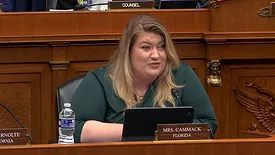
In an April 29 Congressional hearing considering 28 active food safety bills, U.S. Representatives and witnesses from industry and consumer protection groups debated federal preemption of state food safety laws, GRAS and chemical ingredient oversight, and FDA–state
information-sharing during outbreaks.
The draft bill proposes sweeping reforms to FDA’s food safety oversight, including GRAS process changes, infant and baby food safety provisions, and federal preemption of state laws. Consumer groups say the FRESH Act’s GRAS reforms and federal preemption language would weaken U.S. food safety.
The Food Safety and Chemical Disclosure Act would mandate public disclosures of “Generally Recognized as Safe” substances used in foods manufactured or sold in New York. It has passed the Assembly and Senate, and now awaits the Governor’s signature into law.
Of the 111 “Generally Recognized as Safe” (GRAS) additives identified by the Environmental Working Group (EWG), 49 are known to be widely used by food manufacturers.
AB 2034 aims to tighten oversight of ingredients used in foods sold in the state that have entered the food supply without a formal FDA safety review through the Generally Recognized as Safe (GRAS) process.
In a recent 60 Minutes interview, U.S. Health Secretary Robert F. Kennedy Jr. said FDA will address the “generally recognized as safe” (GRAS) “loophole,” which allows ingredients into the food supply without FDA review, while saying he does not plan to regulate ultra-processed foods.