In an analysis of a Listeria monocytogenes outbreak in which one person died, UKHSA highlighted investigation details, risk assessment and control measures, and the potential risks associated with home-delivered cook-chill meals.
A vehicle of illness has not yet been definitively confirmed, but according to UKHSA, epidemiological evidence points to egg consumption as the strongest food signal identified to date.
Cases decreased by 27.2 percent from the previous year. Although Cryptosporidium can be transmitted through routes other than food, the parasite can enter the food supply through contaminated irrigation water and contact with excrement during cultivation, harvesting, and handling.
UKHSA said the relatively stable number of STEC notifications in 2025 marked a departure from the steady annual increases observed since 2021, when larger outbreaks contributed substantially to case counts.
Overall, 72 percent of targeted surveillance samples were deemed satisfactory. FSA flagged imported, niche products, like Dubai-style chocolates, South Asian snacks, and ashwagandha supplements, as especially problematic.
According to the ruling, the UK Food Standards Agency (FSA) included certain costs in its meat controls hourly rate and enforcement rate that were outside the scope of permissible charges under the applicable official controls legislation.
The latest data from the UK Health Security Agency (UKHSA) show that the number of Campylobacter and Salmonella infections in England remained high or increased in 2025, while listeriosis cases stayed stable from the previous year.
Although food safety spending cuts were associated with local authority staffing reductions and decreases in the number of official food hygiene interventions, industry compliance was not negatively affected.
A UK Government report calls attention to the increasing volume of illegally imported meat and dairy to Great Britain, which is often unsafe and unhygienic, posing foodborne illness and zoonotic disease risks. It recommends a coordinated approach to tackling illicit imports.
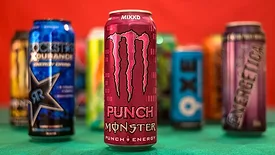
The UK Government has proposed rules that would prohibit the sale of high-caffeine energy drinks to children under the age of 16, intended to “prevent obesity in up to 40,000 children and deliver health benefits worth tens of millions of pounds.”