Food Safety
search
Ask Food Safety AI
cart
facebook twitter linkedin instagram youtube
  • Sign In
  • Create Account
  • Sign Out
  • My Account
Food Safety
  • NEWS
    • Latest News
    • White Papers
  • PRODUCTS
  • TOPICS
    • Contamination Control
    • Food Types
    • Management
    • Process Control
    • Regulatory
    • Sanitation
    • Supply Chain
    • Testing and Analysis
  • PODCAST
  • EXCLUSIVES
    • Food Safety Five Newsreel
    • eBooks
    • FSM Distinguished Service Award
    • Interactive Product Spotlights
    • Videos
  • BUYER'S GUIDE
  • MORE
    • NEWSLETTERS >
      • Archive Issues
      • Subscribe to eNews
    • Store
    • Sponsor Insights
    • ASK FSM AI
  • WEBINARS
  • FOOD SAFETY SUMMIT
  • EMAG
    • eMagazine
    • Archive Issues
    • Editorial Advisory Board
    • Contact
    • Advertise
  • SIGN UP!
NewsManagementInternational

“Paradigm Shift” Required to Improve Food Safety in Informal Markets, Say Researchers
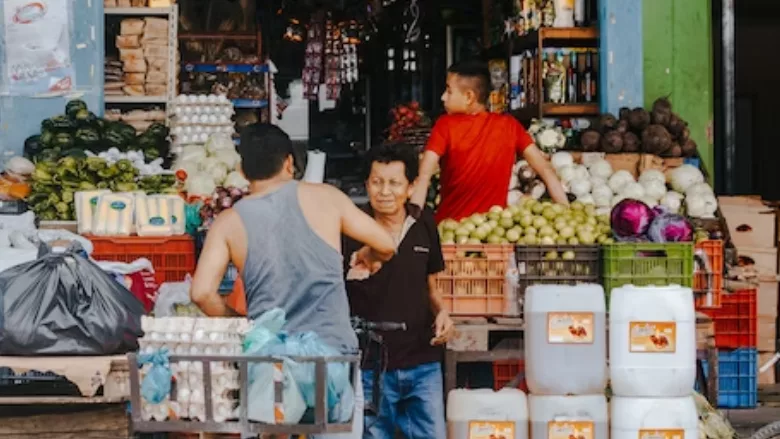
open air food mart

Image credit: Carli Jeen via Unsplash

June 6, 2023

A report commissioned by the International Livestock Research Institute (ILRI) and the CGIAR Initiative on One Health highlights the urgent need for innovative strategies to address food safety risks in the informal sector of developing countries.

The report, titled, "New Directions for Tackling Food Safety Risks in the Informal Sector of Developing Countries" sheds light on the dominant role of small-scale processors, grocers, market vendors, and foodservice operators in informal markets in more than 20 low- and lower-middle-income countries and emphasizes that a wholesale shift is needed to operationalize safer food in the informal sector.

Despite ongoing structural changes, the prevalence of small-scale food businesses remains prominent in the food systems of most developing countries. These informal players play a crucial role in the domestic markets for high-nutrient foods such as fish, meat, fruits, and vegetables.

Previous studies have shown widespread issues of food contamination within informal food distribution networks. Factors contributing to this problem include inadequate food safety awareness, poor hygiene practices, substandard food storage and preparation methods, and deficient infrastructure and environmental conditions.

However, very few countries have effective strategies in place to address food safety risks in the informal sector, and surveys have shown low levels of food safety adherence among workers in the sector.

Current approaches often focus on disrupting small-scale operators in an attempt to replace them with a vision of a "modern" food system, and most existing policies and resources aimed at domestic food safety in developing countries concentrate on strengthening centralized systems for food control. While investments have been made in testing laboratories, food company inspection units, and national agency capacities, these efforts primarily focus on medium and large food enterprises within the formal sector. Insufficient attention has been given to informal food operators and businesses.

The report’s authors stress that that doing more of the same will not yield safer food in the informal sector, and that a paradigm shift is required to effectively address food safety risks moving forward.

Looking for quick answers on food safety topics?
Try Ask FSM, our new smart AI search tool.
Ask FSM →

The report recommends the following key approaches:

  1. Local, centrally guided action: Interventions, both regulatory and facilitative, should primarily be implemented at the municipal level. National agencies can play a pivotal role in mobilizing resources, providing guidelines, and offering technical support. Multistakeholder platforms, involving consumers, communities, business associations, and government bodies, should be strengthened and utilized to drive the agenda for safer food in the informal sector.
  2. Multisectoral action: Enhancing the safety of food in the informal sector should be integrated with interventions focused on nutrition improvement, access to clean water and sanitation, environmental management, and urban infrastructure upgrades. Mainstreaming food safety into urban planning and municipal service delivery is essential.
  3. Rebalancing the use of “sticks and carrots:” Rather than strictly enforcing regulatory provisions, a gradual and continuous improvement approach should be pursued. Informal market operators should be engaged and enabled to strengthen their incentives and capacities to provide safer food. Cities and local ministries should consider employing food hygiene and business advisors to support operators instead of relying solely on regulatory inspections.
  4. Differentiating local strategies and priorities: A tailored approach is necessary since a "one size fits all" solution is impractical. The risk profile and potential for interventions vary among different types of informal food operators and within countries. The decentralized and multisectoral approach should be pragmatically adapted to specific circumstances, with a focus on effective coalitions for action and the sequencing or integration of interventions.

The report highlights several examples of existing initiatives, offering valuable insights into the successful application of decentralized and multisectoral approaches. The challenge is to convince funders and implementers to take these successful and affordable approaches to scale, say the authors.

The study was authored by Spencer Henson, Ph.D., professor in the Department of Food, Agricultural and Resource Economics, at the University of Guelph; Steven Jaffee, Ph.D., lecturer in the Department of Agricultural and Resource Economics at the University of Maryland; and Shuo Wang, M.Sc., graduate student in the Department of Agricultural and Resource Economics at the University of Maryland.

The International Livestock Research Institute (ILRI) works to improve food and nutritional security and reduce poverty in developing countries through research for efficient, safe, and sustainable use of livestock. ILRI is a member of the CGIAR System Organization, a global research partnership for a food-secure future. CGIAR is a global research partnership that provides evidence to policy makers, innovation to partners, and new tools to harness the economic, environmental, and nutritional power of agriculture.


 

KEYWORDS: informal markets International Livestock Research Institute small food companies study

Share This Story

Recommended Content

JOIN TODAY
to unlock your recommendations.

Already have an account? Sign In

  • people holding baby chicks

    Serovar Differences Matter: Utility of Deep Serotyping in Broiler Production and Processing

    This article discusses the significance of Salmonella in...
    Food Type
    By: Nikki Shariat Ph.D.
  • woman washing hands

    Building a Culture of Hygiene in the Food Processing Plant

    Everyone entering a food processing facility needs to...
    Management
    By: Richard F. Stier, M.S.
  • graphical representation of earth over dirt

    Climate Change and Emerging Risks to Food Safety: Building Climate Resilience

    This article examines the multifaceted threats to food...
    Contamination Control
    By: Maria Cristina Tirado Ph.D., D.V.M. and Shamini Albert Raj M.A.
Manage My Account
  • eMagazine Subscription
  • Subscribe to Newsletters
  • Manage My Preferences
  • Website Registration
  • Subscription Customer Service

More Videos

Sponsored Content

Sponsored Content is a special paid section where industry companies provide high quality, objective, non-commercial content around topics of interest to the Food Safety Magazine audience. All Sponsored Content is supplied by the advertising company and any opinions expressed in this article are those of the author and not necessarily reflect the views of Food Safety Magazine or its parent company, BNP Media. Interested in participating in our Sponsored Content section? Contact your local rep!

close
  • NEVIFIT 3 Compartment BPA-FREE
    Sponsored byCorbion

    The Risks of Ready-to-Eat: Five Ways to Protect Today's Prepared Meals

  • a group of workers in a food production facility
    Sponsored bySkillUp by Registrar Corp

    How to Build a Better Training Program: Data and Insights from the Global Food Safety Training Survey

  • the use of dual-energy X-ray food inspection technology to identify foreign contaminants.
    Sponsored byEagle by METTLER TOLEDO

    Precision Inspection Starts with the Right X-ray Detector

Popular Stories

green powder/moringa in wooden mortar

FDA Opens Third Salmonella–Moringa Outbreak Investigation of the Year

clover hill dairy recalled cheese products

Eight Sick, One Dead in Three-Year Listeria Outbreak Linked to Soft Cheese

diverse friends eating meal together

Global Foodborne Disease Burden Comparable to Malaria, Per Updated WHO Estimates

a practical guide to spoilage investigation webinar

Events

June 10, 2026

A Practical Guide to Spoilage Investigation and Prevention

Live: June 10, 2026 at 11:00 am EDT: Join this webinar to learn how to identify spoilage root causes, reduce risk, and apply data-driven strategies for prevention.

June 16, 2026

Sustainable Food Contact Materials: Where Regulation Meets Analytical Testing

Live: June 16, 2026 at 11:00 am EDT: This webinar explores how sustainability regulations are changing food contact material requirements, including packaging compliance, unintended substances, and per- and polyfluoroalkyl substances.

June 17, 2026

Living HACCP: Practical Steps for Implementation

Live: June 17, 2026, at 12:00 pm EDT: From this webinar, attendees will understand how social norms shape the way hazards are understood, how decisions are made, and how well risks are understood and acted on across companies.

View All

Products

Global Food Safety Microbial Interventions and Molecular Advancements

Global Food Safety Microbial Interventions and Molecular Advancements

See More Products

Related Articles

  • Mars and FAO Team Up to Improve Food Safety in Developing Countries

    See More
  • data visualization with an efsa logo overlay

    EFSA Strives to Digitalize EU Food Systems, Standardize Data to Improve Food Safety

    See More
  • swine on a farm

    USDA Grants $2.4 Million to UNL for Swine-Focused Research to Improve Food Safety, Animal Health

    See More

Related Products

See More Products
  • 1119237963.jpg

    Food Safety in China: Science, Technology, Management and Regulation

  • 1119053595.jpg

    Food Safety for the 21st Century: Managing HACCP and Food Safety throughout the Global Supply Chain, 2E

  • 9781138070912.jpg

    Trends in Food Safety and Protection

See More Products

Related Directories

  • We R Food Safety Inc.

    Scalable, affordable and fully customizable software designed by industry experts and backed by a world-class team of consultants and support personnel. Our proprietary software modernizes your food safety systems, provides your staff real-time data and visibility. We have the ability to construct custom reporting providing you information that is important to your business.
  • Spoiler Alert Food Safety

    Spoiler Alert! Food Safety is the premier cloud based digital food safety platform for iOS. This powerful yet simple to app allows you to; track food rotation, generate easy to read smart labels, track product life cycle and alert all of your mobile devices along the way. Our exclusive eco-friendly wash away labels rinse safely down the drain. Starting at just $9.99/mo. Start your 30 day FREE trial today. https://www.spoileralertfoodsafety.com Download in the App Store - Spoiler Alert Food Safety Developed in the U.S.A. by restaurant professionals, for restaurant professionals.
  • Food Safety News

    Food Safety News advances public health by delivering timely, accurate, and comprehensive coverage of foodborne illness outbreaks, recalls, and regulatory developments that impact the safety of our global food supply.
×

Never miss the latest news and trends driving the food safety industry

Newsletters | Website | eMagazine

JOIN TODAY!
  • RESOURCES
    • Advertise
    • Contact Us
    • Directories
    • Store
    • Want More
  • SIGN UP TODAY
    • Create Account
    • eMagazine
    • Newsletters
    • Customer Service
    • Manage Preferences
  • SERVICES
    • Marketing Services
    • Reprints
    • Market Research
    • List Rental
    • Survey/Respondent Access
  • STAY CONNECTED
    • LinkedIn
    • Facebook
    • Instagram
    • X (Twitter)
  • PRIVACY
    • PRIVACY POLICY
    • TERMS & CONDITIONS
    • DO NOT SELL MY PERSONAL INFORMATION
    • PRIVACY REQUEST
    • ACCESSIBILITY

Copyright ©2026. All Rights Reserved BNP Media, Inc. and BNP Media II, LLC.

Design, CMS, Hosting & Web Development :: ePublishing

