Food Safety
search
Ask Food Safety AI
cart
facebook twitter linkedin
  • Sign In
  • Create Account
  • Sign Out
  • My Account
Food Safety
  • NEWS
    • Latest News
    • White Papers
  • PRODUCTS
  • TOPICS
    • Contamination Control
    • Food Types
    • Management
    • Process Control
    • Regulatory
    • Sanitation
    • Supply Chain
    • Testing and Analysis
  • PODCAST
  • EXCLUSIVES
    • Food Safety Five Newsreel
    • eBooks
    • FSM Distinguished Service Award
    • Interactive Product Spotlights
    • Videos
  • BUYER'S GUIDE
  • MORE
    • ENEWSLETTER >
      • Archive Issues
      • Subscribe to eNews
    • Store
    • Sponsor Insights
    • ASK FSM AI
  • WEBINARS
  • FOOD SAFETY SUMMIT
  • EMAG
    • eMagazine
    • Archive Issues
    • Editorial Advisory Board
    • Contact
    • Advertise
  • SIGN UP!
ProductsAlternative Proteins

BIZTRACKS

Givaudan, Bühler, and Migros Announce The Cultured Food Innovation Hub for Cultured Meat
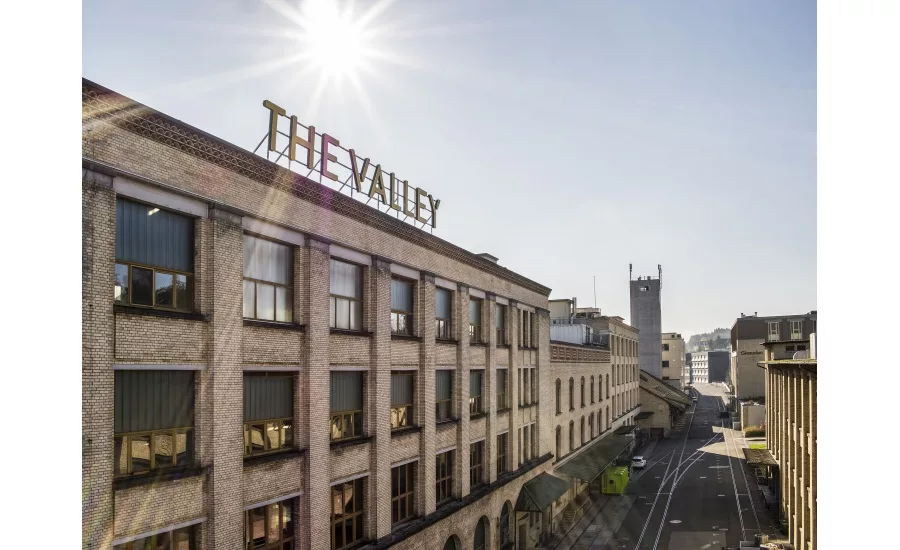
Givaudan, Bühler, and Migros Announce The Cultured Food Innovation Hub For Cultured Meat

The Cultured Food Innovation Hub will be based in The Valley in Kemptthal, Switzerland, and go live in 2022. 

September 15, 2021

Givaudan, Bühler, and Migros have formed a new entity, The Cultured Food Innovation Hub, in Kemptthal near Zurich, Switzerland, to accelerate the development and market penetration of cellular agriculture products. There are many arguments supporting the mass suitability of cultured meat: meat without slaughter or factory farming, a significantly better climate balance, no use of antibiotics, and ensured food security. The Cultured Food Innovation Hub will start operations in 2022.

The Cultured Food Innovation Hub will be a self-sustained, standalone company wholly owned by Givaudan, Bühler, and Migros, located in The Valley in Kemptthal, a hotbed of innovation and technology just outside of Zurich. The new entity will provide facilities and knowledge to accelerate other companies on their cultured meat, cultured fish and seafood, and precision fermentation journeys. The Cultured Food Innovation Hub will be equipped with a product development lab as well as cell culture and bio fermentation capabilities to help start-ups develop and go to market with the right product.

The significant increase in demand in recent years for plant-based foods all around the world has shown consumers’ broad concern for the environment, as well as their expectation of producers for healthful foods that are ethical and sustainable. In a world facing great challenges from climate change, combined with a population expected to exceed 10 billion people by 2050, the need for sustainable food cultivation and sourcing is critical.

Cellular agriculture for cultured meat provides the means for the farming of animal products without raising animals. Animal cells are used as a starting point, and then technologies such as fermentation are employed for the cultivation of meat products. The result is meat that is identical in structure and in taste to its animal counterpart with vastly reduced environmental impact and no mass farming or slaughter. 

Fabio Campanile, Givaudan’s global head of science and technology, taste & wellbeing, says: “Bühler contributes with industry leading solutions that are used in the scale-up and production of thousands of food products around the world; Givaudan brings in centuries of experience and knowledge in every aspect of taste, including all kinds of meat alternatives, and deep expertise in biotechnology, to product development; Migros is known for its competence in customer interaction and market cultivation. The combination of the three partners is remarkable.”


Looking for quick answers on food safety topics? Try Ask FSM, our new smart AI search tool. Ask FSM →

KEYWORDS: Givaudan innovation Migros

Share This Story

Recommended Content

JOIN TODAY
to unlock your recommendations.

Already have an account? Sign In

  • people holding baby chicks

    Serovar Differences Matter: Utility of Deep Serotyping in Broiler Production and Processing

    This article discusses the significance of Salmonella in...
    Microbiological
    By: Nikki Shariat Ph.D.
  • woman washing hands

    Building a Culture of Hygiene in the Food Processing Plant

    Everyone entering a food processing facility needs to...
    Management
    By: Richard F. Stier, M.S.
  • graphical representation of earth over dirt

    Climate Change and Emerging Risks to Food Safety: Building Climate Resilience

    This article examines the multifaceted threats to food...
    Management
    By: Maria Cristina Tirado Ph.D., D.V.M. and Shamini Albert Raj M.A.
Manage My Account
  • eMagazine Subscription
  • Subscribe to eNewsletter
  • Manage My Preferences
  • Website Registration
  • Subscription Customer Service

More Videos

Sponsored Content

Sponsored Content is a special paid section where industry companies provide high quality, objective, non-commercial content around topics of interest to the Food Safety Magazine audience. All Sponsored Content is supplied by the advertising company and any opinions expressed in this article are those of the author and not necessarily reflect the views of Food Safety Magazine or its parent company, BNP Media. Interested in participating in our Sponsored Content section? Contact your local rep!

close
  • Salmonella bacteria
    Sponsored byThermoFisher

    Food Microbiology Testing Methods: Salmonella species

  • a diagram explaining indicator organisms
    Sponsored byHygiena

    How Proactive Listeria Testing Helps Prevent Six- and Seven-Figure Recalls

  • woman grocery shopping
    Sponsored byCorbion

    Designing Safety Into Every Bite: Proactive Risk Mitigation for Refrigerated Foods

Popular Stories

scott&jons scampi

Two More Deaths Reported in Listeria Outbreak Linked to Prepared Pasta Meals

german flag and sausage

Hundreds Sick, at Least Two Dead in German E. coli Outbreak

mindy brashears USDA headshot

USDA-FSIS Under Secretary for Food Safety Nominee Reveals Priorities in Senate Hearing

Events

November 11, 2025

Feeding the Future: How Lessons From 2025 Will Shape 2026

Live: November 11, 2025 at 10:00 am EST: This webinar will bring together LRQA experts and industry leaders to explore how lessons from 2025 will shape 2026, focusing on building resilient, digitally enabled, and consumer-trusted food systems.

November 18, 2025

Dry Sanitation and Cleaning Techniques for Facilities and Equipment

Live: November 18, 2025 at 12:00 pm EDT: From this webinar, attendees will learn best practices employed by dry/low-moisture food processors for dry sanitation and equipment cleaning.

November 20, 2025

New U.S. Additive Bans: How to Prepare and Protect Your Brand

Live: November 20, 2025 at 11:00 am EST: From this webinar, attendees will learn the impact of ingredient restrictions on product development, sourcing, labeling, and market access.

View All

Products

Global Food Safety Microbial Interventions and Molecular Advancements

Global Food Safety Microbial Interventions and Molecular Advancements

See More Products

Related Articles

  • FSS news generic image

    Meat Institute and AMPS Innovation send joint letter to USDA on mandatory labeling for cell-based/cultured meat & poultry products

    See More
  • chicken breasts on a cutting board

    FDA Evaluates First Cell-Based Meat Product, Raises No Food Safety Concerns; Believes Cultured Meat Ready for Market in Near Future

    See More
  • raw whole quail

    Australia’s First Cell-Cultured Food Assessment is for Quail Meat

    See More

Related Products

See More Products
  • 1119053595.jpg

    Food Safety for the 21st Century: Managing HACCP and Food Safety throughout the Global Supply Chain, 2E

  • 1119258073.jpg

    FSMA and Food Safety Systems: Understanding and Implementing the Rules

  • 1119160553.jpg

    Food Safety: Innovative Analytical Tools for Safety Assessment

See More Products

Related Directories

  • Buhler Inc.

    Billions of people come into contact with Bühler technologies to cover basic needs for food and mobility. We develop the best process solutions along complete value chains. Two billion people consume foods that are made with Bühler processes every day. These include flour, rice, pasta, chocolate, coffee, and beer.
×

Never miss the latest news and trends driving the food safety industry

eNewsletter | Website | eMagazine

JOIN TODAY!
  • RESOURCES
    • Advertise
    • Contact Us
    • Directories
    • Store
    • Want More
  • SIGN UP TODAY
    • Create Account
    • eMagazine
    • eNewsletter
    • Customer Service
    • Manage Preferences
  • SERVICES
    • Marketing Services
    • Reprints
    • Market Research
    • List Rental
    • Survey/Respondent Access
  • STAY CONNECTED
    • LinkedIn
    • Facebook
    • Instagram
    • X (Twitter)
  • PRIVACY
    • PRIVACY POLICY
    • TERMS & CONDITIONS
    • DO NOT SELL MY PERSONAL INFORMATION
    • PRIVACY REQUEST
    • ACCESSIBILITY

Copyright ©2025. All Rights Reserved BNP Media.

Design, CMS, Hosting & Web Development :: ePublishing