Food Safety
search
Ask Food Safety AI
cart
facebook twitter linkedin
  • Sign In
  • Create Account
  • Sign Out
  • My Account
Food Safety
  • NEWS
    • Latest News
    • White Papers
  • PRODUCTS
  • TOPICS
    • Contamination Control
    • Food Types
    • Management
    • Process Control
    • Regulatory
    • Sanitation
    • Supply Chain
    • Testing and Analysis
  • PODCAST
  • EXCLUSIVES
    • Food Safety Five Newsreel
    • eBooks
    • FSM Distinguished Service Award
    • Interactive Product Spotlights
    • Videos
  • BUYER'S GUIDE
  • MORE
    • ENEWSLETTER >
      • Archive Issues
      • Subscribe to eNews
    • Store
    • Sponsor Insights
    • ASK FSM AI
  • WEBINARS
  • FOOD SAFETY SUMMIT
  • EMAG
    • eMagazine
    • Archive Issues
    • Editorial Advisory Board
    • Contact
    • Advertise
  • SIGN UP!
News

Campden BRI Research Investigates Safety of Non-Chilled Food Delivery

December 15, 2020

Research at Campden BRI suggests that food should be delivered within 24 hours to ensure it remains chilled during non-chilled delivery. The study investigated the impact of external temperature on ready meals prepared for courier to understand how the temperature would change during transit. The results will help food businesses keep their products chilled when out for delivery so that they are safe for the consumer.

The research comes as the total number of food delivery users in the UK rose to 22.5 million earlier this year—a 9.8% increase compared to the same period in 2019, according to Statista.

For products sold in the UK, 8°C is the maximum temperature that chilled products can be legally stored. Exceeding this temperature could make foods unsafe and susceptible to spoilage, impairing the quality of the delivered foods.

Food delivered via non-chilled courier is potentially vulnerable to fluctuations in temperature that occur throughout the day and night. The study reflected these conditions. Chilled and frozen ready meals were packed into a cardboard box with ice packs and bubble wrap, and then stored at various temperatures.

The research showed that the rate at which a product reaches 8°C can depend heavily on the type of product it is and, sometimes, its placement within a box. For example, two salt and pepper chicken ready meals at the bottom of a box exceeded 8°C within 40 hours whereas the adjacent egg fried rice only peaked at around 5°C. This variation was also seen for products at different levels within the same box.

The external temperature played a pivotal role in determining how quickly the ready meals increased in temperature. For example, at an external temperature of 20°C, one of the salt and pepper chicken ready meals climbed 8°C from 0°C within nine hours, putting it directly on the cusp of exceeding the UK legal maximum storage temperature.

According to the study’s findings, there is potential to pack products strategically to help them remain under 8°C. For example, the researchers found that some chilled ready meals took longer to rise in temperature when placed between two frozen ones—a tactic that could be applied if a long delivery time is expected. However, an independent study would be required to ensure the chilled products were not freezing.

Campden BRI can monitor the temperature of products prepared for delivery and use the data to predict the potential for growth of both pathogens and spoilage organisms. Any businesses looking to gain this insight into their food deliveries should call Linda Everis on +44(0)1386 842063 or email her at linda.everis@campdenbri.co.uk.


Author(s): Staff

Looking for quick answers on food safety topics? Try Ask FSM, our new smart AI search tool. Ask FSM →

KEYWORDS: food delivery

Share This Story

Recommended Content

JOIN TODAY
to unlock your recommendations.

Already have an account? Sign In

  • people holding baby chicks

    Serovar Differences Matter: Utility of Deep Serotyping in Broiler Production and Processing

    This article discusses the significance of Salmonella in...
    Methods
    By: Nikki Shariat Ph.D.
  • woman washing hands

    Building a Culture of Hygiene in the Food Processing Plant

    Everyone entering a food processing facility needs to...
    Management
    By: Richard F. Stier, M.S.
  • graphical representation of earth over dirt

    Climate Change and Emerging Risks to Food Safety: Building Climate Resilience

    This article examines the multifaceted threats to food...
    International
    By: Maria Cristina Tirado Ph.D., D.V.M. and Shamini Albert Raj M.A.
Manage My Account
  • eMagazine Subscription
  • Subscribe to eNewsletter
  • Manage My Preferences
  • Website Registration
  • Subscription Customer Service

More Videos

Sponsored Content

Sponsored Content is a special paid section where industry companies provide high quality, objective, non-commercial content around topics of interest to the Food Safety Magazine audience. All Sponsored Content is supplied by the advertising company and any opinions expressed in this article are those of the author and not necessarily reflect the views of Food Safety Magazine or its parent company, BNP Media. Interested in participating in our Sponsored Content section? Contact your local rep!

close
  • a diagram explaining indicator organisms
    Sponsored byHygiena

    How Proactive Listeria Testing Helps Prevent Six- and Seven-Figure Recalls

  • woman grocery shopping
    Sponsored byCorbion

    Designing Safety Into Every Bite: Proactive Risk Mitigation for Refrigerated Foods

  • ground meat being processed by a meat grinder
    Sponsored byFlexXray

    Foreign Material Contamination: Benchmarking Your Organization to Solve One of the Industry’s Toughest Challenges

Popular Stories

scott&jons scampi

Two More Deaths Reported in Listeria Outbreak Linked to Prepared Pasta Meals

german flag and sausage

Hundreds Sick, at Least Two Dead in German E. coli Outbreak

mindy brashears USDA headshot

USDA-FSIS Under Secretary for Food Safety Nominee Reveals Priorities in Senate Hearing

Events

November 11, 2025

Feeding the Future: How Lessons From 2025 Will Shape 2026

Live: November 11, 2025 at 10:00 am EST: This webinar will bring together LRQA experts and industry leaders to explore how lessons from 2025 will shape 2026, focusing on building resilient, digitally enabled, and consumer-trusted food systems.

November 18, 2025

Dry Sanitation and Cleaning Techniques for Facilities and Equipment

Live: November 18, 2025 at 12:00 pm EDT: From this webinar, attendees will learn best practices employed by dry/low-moisture food processors for dry sanitation and equipment cleaning.

November 20, 2025

New U.S. Additive Bans: How to Prepare and Protect Your Brand

Live: November 20, 2025 at 11:00 am EST: From this webinar, attendees will learn the impact of ingredient restrictions on product development, sourcing, labeling, and market access.

View All

Products

Global Food Safety Microbial Interventions and Molecular Advancements

Global Food Safety Microbial Interventions and Molecular Advancements

See More Products

Related Articles

  • Campden BRI Searches for Partners to Assist with COVID-19 Research

    Campden BRI Searches for Partners to Assist with COVID-19 Research

    See More
  • SGS and Campden BRI Announce New Partnership in Food Training

    See More
  • CleanersSanitizers-490346876.jpg

    Campden BRI Updates Guidance on Food Factory Hygiene

    See More

Related Products

See More Products
  • 9781498721776.jpg

    Handbook of Food Processing: Food Safety, Quality, and Manufacturing Processes

  • 1444333348.jpg

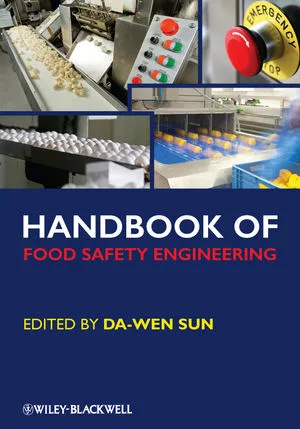
    Handbook of Food Safety Engineering

  • 1119053595.jpg

    Food Safety for the 21st Century: Managing HACCP and Food Safety throughout the Global Supply Chain, 2E

See More Products

Related Directories

  • Saldesia "Goddess of Food Safety"

    Saldesia is a distributor of Food Safety products and solutions. We are focused on supplying the Quality, Production, Safety and Sanitation departments. Product lines include Color Coded, Metal Detectable, Antimicrobial Flooring & Mats, Workwear, Footwear, Spray Nozzles, and more!
  • Institute of Food Technologists

    Since 1939, the Institute of Food Technologists (IFT) has served as the voice of the global food science community. IFT advocates for science, technology, and research to address the world’s greatest food challenges, guiding our community of more than 200,000. IFT convenes professionals from around the world – from producers and product developers to innovators and researchers across food, nutrition, and public health – with a shared mission to help create a global food supply that is sustainable, safe, nutritious, and accessible to all. IFT provides its growing community spanning academia, industry, and government with the resources, connections, and opportunities necessary to stay ahead of a rapidly evolving food system as IFT helps feed the minds that feed the world. For more information, please visit ift.org.
×

Never miss the latest news and trends driving the food safety industry

eNewsletter | Website | eMagazine

JOIN TODAY!
  • RESOURCES
    • Advertise
    • Contact Us
    • Directories
    • Store
    • Want More
  • SIGN UP TODAY
    • Create Account
    • eMagazine
    • eNewsletter
    • Customer Service
    • Manage Preferences
  • SERVICES
    • Marketing Services
    • Reprints
    • Market Research
    • List Rental
    • Survey/Respondent Access
  • STAY CONNECTED
    • LinkedIn
    • Facebook
    • Instagram
    • X (Twitter)
  • PRIVACY
    • PRIVACY POLICY
    • TERMS & CONDITIONS
    • DO NOT SELL MY PERSONAL INFORMATION
    • PRIVACY REQUEST
    • ACCESSIBILITY

Copyright ©2025. All Rights Reserved BNP Media.

Design, CMS, Hosting & Web Development :: ePublishing