Food Safety
search
Ask Food Safety AI
cart
facebook twitter linkedin instagram youtube
  • Sign In
  • Create Account
  • Sign Out
  • My Account
Food Safety
  • NEWS
    • Latest News
    • Sponsored Insights
    • Sponsored White Papers
  • PRODUCTS
  • TOPICS
    • Contamination Control
    • Food Types
    • Management
    • Process Control
    • Regulatory
    • Sanitation
    • Supply Chain
    • Testing and Analysis
  • PODCAST
  • EXCLUSIVES
    • Food Safety Five Newsreel
    • eBooks
    • FSM Distinguished Service Award
    • Interactive Product Spotlights
    • Videos
  • BUYER'S GUIDE
  • MORE
    • NEWSLETTERS >
      • Archive Issues
      • Subscribe to eNews
    • Store
    • ASK FSM AI
  • WEBINARS
  • FOOD SAFETY SUMMIT
  • EMAG
    • eMagazine
    • Archive Issues
    • Editorial Advisory Board
    • Contact
    • Advertise
  • SIGN UP!
News

Vinegar and Spices: Natural Sanitizers for Leafy Greens, Say Researchers

August 13, 2015

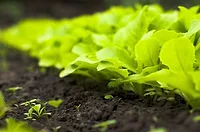
Cinnamon, oregano and vinegar are natural ingredients that can be used to sanitize leafy greens, according to researchers at the University of Arizona.

Scientists found that--when used with washing water--essential oils, organic sanitizers and plant extracts not only kill bacteria, but the solution can extend the shelf life of leafy greens. This new approach “sometimes even works better than bleach or hydrogen peroxide”. Additionally, these natural ingredients are:

  • environmentally friendly
  • less energy intensive since they are effective at both room and cold temperatures
  • proven to continue to kill bacteria during storage
  • their effectiveness is not reduced in the presence of organic matter
  • believed to reduce the occurrence of cancer, diabetes and high cholesterol
  • the wash water can be recycled and reused without a loss in effectiveness

The benefits don’t end there, according to Sadhana Ravishankar, associate professor at the University of Arizona’s School of Animal and Comparative Biomedical Sciences. “Plant antimicrobials can be used by consumers at home.”

Besides the ease of use on the consumer front, researchers have incorporated plant essential oils into edible films--made from apples, carrots, hibiscus or spinach pulp--that can be used in salad bags. The vapors from the oils work to kill bacteria throughout the storage period.

The outcomes of this project will benefit consumers by reducing and preventing contamination of the leafy greens by foodborne pathogens at the production and harvesting levels, providing a safer product in stores and on their tables.

Moving forward, Ravishankar and her team are testing combinations of plant antimicrobials and the effectiveness of them when the wash water is recycled.  USDA’s National Institute of Food and Agriculture is funding this new research, a four-year, $2,907,354 Organic Agriculture Research and Extension Initiative (OREI) grant.

OREI seeks to solve critical organic agriculture issues, priorities, or problems by integrating research, education, and extension activities. OREI-fund projects that will enhance the ability of producers and processors who have already adopted organic standards to grow and market their high quality organic agricultural products.


Author(s): Staff

Looking for quick answers on food safety topics?
Try Ask FSM, our new smart AI search tool.
Ask FSM →


Share This Story

Recommended Content

JOIN TODAY
to unlock your recommendations.

Already have an account? Sign In

  • people holding baby chicks

    Serovar Differences Matter: Utility of Deep Serotyping in Broiler Production and Processing

    This article discusses the significance of Salmonella in...
    Contamination Control
    By: Nikki Shariat Ph.D.
  • woman washing hands

    Building a Culture of Hygiene in the Food Processing Plant

    Everyone entering a food processing facility needs to...
    Personal Hygiene/Handwashing
    By: Richard F. Stier, M.S.
  • graphical representation of earth over dirt

    Climate Change and Emerging Risks to Food Safety: Building Climate Resilience

    This article examines the multifaceted threats to food...
    International
    By: Maria Cristina Tirado Ph.D., D.V.M. and Shamini Albert Raj M.A.
Manage My Account
  • eMagazine Subscription
  • Subscribe to Newsletters
  • Manage My Preferences
  • Website Registration
  • Subscription Customer Service

More Videos

Sponsored Content

Sponsored Content is a special paid section where industry companies provide high quality, objective, non-commercial content around topics of interest to the Food Safety Magazine audience. All Sponsored Content is supplied by the advertising company and any opinions expressed in this article are those of the author and not necessarily reflect the views of Food Safety Magazine or its parent company, BNP Media. Interested in participating in our Sponsored Content section? Contact your local rep!

close
  • Man In Warehouse
    Sponsored byRentokil

    Mitigating Hidden Rodent Risks in Food Facilities

  • an industrial manufacturing or processing facility
    Sponsored bybioMérieux

    Get Ahead of Spoilage in Food Manufacturing with Metagenomics for Preventive Monitoring

  • an automated industrial production line used in a modern food factory
    Sponsored byIFC

    A Formula for Food Processing Pest Management

Popular Stories

lettuce leaves up close

Is Whole Head Lettuce Safer Than Bagged Salad?

Gummy supplements

FDA's Proposed Mandatory GRAS Rule: What Food Safety Professionals Need to Know

listeria

FDA’s Listeria Prevention Public Meeting: Experts Debate Zero Tolerance, Emphasize Environmental Monitoring and Fundamental Controls

allergens ebook

Events

September 1, 2026

Seafood Under the Microscope: FDA HACCP, Pathogen Risk, and Modern Testing Strategies

Live: September 1, 2026 at 2:00 pm EDT: Attend this webinar to learn how environmental monitoring, rapid pathogen detection, and risk-based testing strengthen seafood safety programs.

September 2, 2026

From Crisis to Control: A Listeria Elimination Journey in Food Manufacturing

Live: September 2, 2026 at 2:00 pm EDT: This webinar shares a real-world case study of a food processing facility that solved a persistent Listeria challenge after standard protocols fell short.

September 10, 2026

Stop Rodents in Their Tracks!

Live: September 10, 2026 at 2:00 pm EDT: Attend this webinar to understand rodent behavior and innovative strategies for rodent management.

View All

Products

Global Food Safety Microbial Interventions and Molecular Advancements

Global Food Safety Microbial Interventions and Molecular Advancements

See More Products

Related Articles

  • LGMA: Despite Government Shutdown, Inspection Continues for Leafy Greens

    See More
  • LGMA Releases New, Stricter Water Use Rules for Leafy Greens Growers

    See More
  • California LGMA Updates Food Safety Practices for Leafy Greens

    See More

Related Products

See More Products
  • 1119053595.jpg

    Food Safety for the 21st Century: Managing HACCP and Food Safety throughout the Global Supply Chain, 2E

  • 1119160553.jpg

    Food Safety: Innovative Analytical Tools for Safety Assessment

  • 1118396308.jpg

    High Throughput Analysis for Food Safety

See More Products

Related Directories

  • Future Green Consulting Ltd.

    Future Green is a purpose-led consultancy and certified BCorp based in Hong Kong, serving clients globally. No matter their size or stage of growth, each client shares a common objective: to increase the output of high-value work at a faster pace. Future Green supports this by facilitating practical workshops that align teams around critical food sustainability change projects.
  • WTI Inc.

    Protect people. Protect products. Incorporate WTI’s ingredients to ensure that your food remains safe, reliable, and of the highest quality from production to consumption. WTI produces naturally-derived vinegar antimicrobials, lemon-based phosphate alternatives, and conventional solutions that improve food quality, enhance yield, produce cleaner labels, keep food safe, and extend shelf-life.
  • Serim Research Corp.

    Serim® Research is a leading manufacturer of specialized test strips for multiple industries including food safety and healthcare. Our tests for measuring chlorine and QAC sanitizing solutions are preferred by many customers including national restaurants, food production and processing companies. We also manufacture tests for residual glucose, water quality
×

Never miss the latest news and trends driving the food safety industry

Newsletters | Website | eMagazine

JOIN TODAY!
  • RESOURCES
    • Advertise
    • Contact Us
    • Directories
    • Store
    • Want More
  • SIGN UP TODAY
    • Create Account
    • eMagazine
    • Newsletters
    • Customer Service
    • Manage Preferences
  • SERVICES
    • Marketing Services
    • Reprints
    • Market Research
    • List Rental
    • Survey/Respondent Access
  • STAY CONNECTED
    • LinkedIn
    • Facebook
    • Instagram
    • X (Twitter)
  • PRIVACY
    • PRIVACY POLICY
    • TERMS & CONDITIONS
    • DO NOT SELL MY PERSONAL INFORMATION
    • PRIVACY REQUEST
    • ACCESSIBILITY

Copyright ©2026. All Rights Reserved BNP Media, Inc. and BNP Media II, LLC.

Design, CMS, Hosting & Web Development :: ePublishing