Study Proposes Grouping Approach to Prioritize Hazardous Food Contact Chemicals, Prevent Regrettable Substitutions
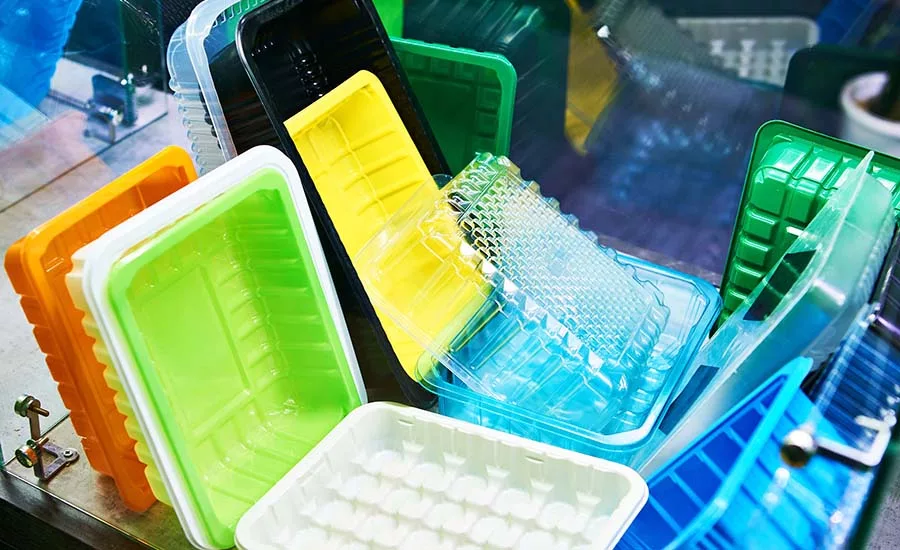
A new peer-reviewed study proposed grouping food contact chemicals (FCCs) by chemical structure as a way to prioritize potentially hazardous substances for regulatory review, testing, restriction, or phaseout, while helping prevent regrettable substitutions.
Published in Environmental Science & Technology, the study was conducted by scientists from the Food Packaging Forum Foundation. The researchers applied a grouping approach to more than 15,000 chemicals that can be used or found in food packaging, kitchenware, and other food contact materials (FCMs).
According to the researchers, 1,222 FCCs are already known to be hazardous to human health, while more than 13,000 lack sufficient publicly available hazard data to determine their safety for consumers. Overall, 87 percent of FCCs lack adequate safety data covering the range of potential health effects, per the study.
The researchers argued that current regulatory approaches in Europe and North America, which largely assess chemicals individually, are insufficient for addressing these data gaps. Until adequate testing data become available, they proposed grouping FCCs based on chemical structure to help identify and prioritize substances that may pose similar hazards.
Researchers Identify 38 Priority Groups of Food Contact Chemicals
Using the grouping approach, the researchers identified 38 priority chemical groups with a high proportion of known hazardous substances. These included ortho-phthalates, per- and polyfluoroalkyl substances (PFAS), alkyl phenols, organophosphates, isocyanates, and primary aromatic amines, among others.
A total of 3,547 FCCs belonged to the 38 priority groups. Because these substances are structurally similar to chemicals already known to be hazardous, the researchers suggested they should be prioritized for safety evaluation and should not automatically be used as substitutes for restricted chemicals.
Such replacements can result in “regrettable substitution,” in which a hazardous chemical is replaced with a structurally similar substance that has not been sufficiently evaluated for safety. The researchers cited the replacement of bisphenol A (BPA) with bisphenol F (BPF) as an example.
Looking for quick answers on food safety topics?
Try Ask FSM, our new smart AI search tool.
Ask FSM →
Based on the findings, the authors suggested that group-based approaches could reduce the number of individual regulatory assessments required while enabling regulators and manufacturers to more quickly identify chemicals warranting additional scrutiny.
“There are many known hazardous chemicals in food packaging, but replacing them with very similar chemicals that have not been sufficiently tested is not solving the problem,” said co-author Helene Wiesinger, Ph.D., M.Sc. of the Food Packaging Forum Foundation. She added that the 38 priority groups could help policymakers and manufacturers identify potential chemicals of concern.
FCC Prioritization List and Screening Tool
Alongside the study, the researchers made available the FCCprio List, an evidence-based list of known hazardous chemicals in FCMs, as well as FCCgroup, an interactive application for determining whether chemicals belong to one or more of the 38 priority groups (download here with password fccgroup2026).
Based on publicly available hazard data, the authors suggested that substances included on the FCCprio List could be considered for greater restrictions in food contact applications. Chemicals belonging to priority groups could also be reevaluated for safety before being used as alternatives to known hazardous substances.
“Our research shows just how little is known about so many of the chemicals consumers are exposed to every day through the food packaging they buy,” said co-author Jane Muncke, Ph.D., M.Sc. of the Food Packaging Forum Foundation.
Dr. Muncke said the proposed grouping approach could provide decision-makers with a tool for addressing chemicals of potential concern while necessary testing methods and safety data are developed.
Previously, the Food Packaging Forum published the Database on Food Contact Chemicals Monitored in Humans (FCChumon) and the Database on Migrating and Extractable Food Contact Chemicals (FCCmigex), which include chemicals in food contact materials (FCMs) that have been detected in human samples and to which humans may be exposed.