Learnings From a 2025 UK Listeriosis Outbreak Linked to Home-Delivered Cook-Chill Meals
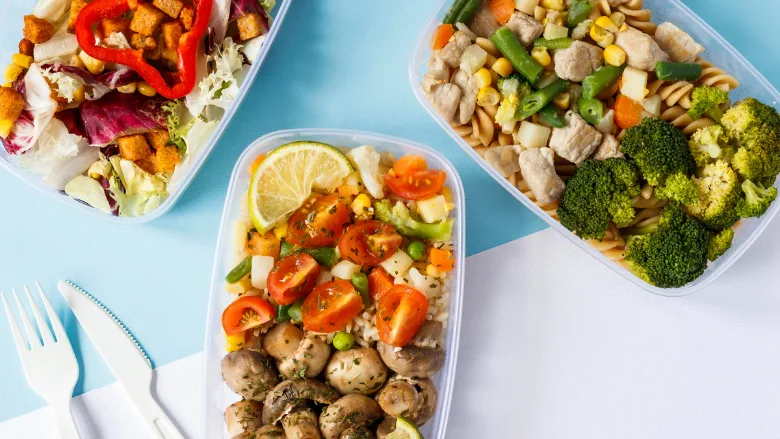
The UK Health Security Agency (UKHSA) has published a post-incident analysis of a 2025 outbreak of Listeria monocytogenes linked to home-delivered cook-chill meals produced by a London-based food business operator (FBO), in which two people were hospitalized and one died.
The outbreak involved two patients with a median age of 60 who had underlying comorbidities. Their samples, collected in March 2025, belonged to a five-single-nucleotide polymorphism (5-SNP) cluster of L. monocytogenes. Both patients reported consuming meals produced by the same FBO, which delivered cook-chill meals across England, Wales, and Scotland to approximately 22,000 active customers.
Investigators subsequently recovered L. monocytogenes matching the outbreak strain from one food sample and five environmental samples collected at the production facility. The food isolate was detected at less than 10 colony forming units per gram (CFU/g) in washed parsley garnish intended to be packaged and reheated with certain meals. Matching environmental isolates were recovered from a cold kitchen drain gulley, a hot kitchen floor and wall, dirty dollies, and a hot kitchen floor/wall junction. Whole genome sequencing (WGS) showed that the clinical, food, and environmental isolates formed a single cluster, indicating a common source of contamination.
Sampling also identified other L. monocytogenes strains and Listeria species throughout the facility. In total, authorities collected 109 food and environmental samples between April and October 2025. UKHSA said the number of positive environmental isolates suggested widespread and persistent Listeria contamination.
An April 2025 inspection by Havering Council identified food hygiene problems including stagnant water, condensation, and damaged flooring. The council later issued three hygiene improvement notices related to inadequate drainage and ventilation and poor surface conditions, and the FBO's food hygiene rating was reduced from 4 to 1.
The company voluntarily stopped production on May 20, conducted a deep cleaning, and reopened on May 23 after implementing a Listeria management plan and receiving satisfactory results from internal environmental testing. The business also made structural improvements, strengthened sanitation practices, conducted staff training, and reviewed reheating procedures and its Hazard Analysis and Critical Control Points (HACCP) plan.
After the outbreak strain was detected in parsley garnish, the business recalled meals containing the garnish on May 23. Of 110 customers identified as having received affected meals, 102 confirmed safe disposal. A separate chimichurri beef bowl recall was conducted in June after L. monocytogenes belonging to a different genetic cluster was detected.
Looking for quick answers on food safety topics?
Try Ask FSM, our new smart AI search tool.
Ask FSM →
By November 2025, investigators determined that the public health risk had been minimized based on the absence of new cases since March, fewer L. monocytogenes detections, and implementation of corrective measures. The facility's food hygiene rating was subsequently restored to 4. However, because Listeria species continued to be detected in a mezzanine lift, authorities planned enhanced surveillance involving formal sampling every two months over a six-month period beginning in February 2026.
UKHSA said the outbreak highlighted potential risks associated with home-delivered cook-chill meals. Although such products have been fully cooked, they require thorough reheating and are not technically considered ready-to-eat foods.
No additional cases belonging to the outbreak cluster have been identified since March 2025.