Food Safety
search
Ask Food Safety AI
cart
facebook twitter linkedin instagram youtube
  • Sign In
  • Create Account
  • Sign Out
  • My Account
Food Safety
  • NEWS
    • Latest News
    • White Papers
  • PRODUCTS
  • TOPICS
    • Contamination Control
    • Food Types
    • Management
    • Process Control
    • Regulatory
    • Sanitation
    • Supply Chain
    • Testing and Analysis
  • PODCAST
  • EXCLUSIVES
    • Food Safety Five Newsreel
    • eBooks
    • FSM Distinguished Service Award
    • Interactive Product Spotlights
    • Videos
  • BUYER'S GUIDE
  • MORE
    • NEWSLETTERS >
      • Archive Issues
      • Subscribe to eNews
    • Store
    • Sponsor Insights
    • ASK FSM AI
  • WEBINARS
  • FOOD SAFETY SUMMIT
  • EMAG
    • eMagazine
    • Archive Issues
    • Editorial Advisory Board
    • Contact
    • Advertise
  • SIGN UP!
NewsFood TypeIngredients

Study Suggests Sweetener May Contribute to Liver Disease

By Food Safety Magazine Editorial Team
assorted chewing gum pieces
Image credit: BalashMirzabey via Magnific
June 1, 2026

A new study suggests that sorbitol, a sugar alcohol commonly used as a low-calorie sweetener, may contribute to the development of metabolic dysfunction–associated steatotic liver disease (MASLD) under certain conditions, and that sugar alcohols may not be harmlessly expelled from the body without consequences.

Sorbitol is widely used in sugar-free candies, chewing gum, protein bars, and other reduced-sugar foods. It also occurs naturally in some fruits and vegetables, including stone fruits.

MASLD, formerly known as nonalcoholic fatty liver disease, is associated with obesity, diabetes, and metabolic dysfunction. Previous studies have shown that fructose is a key contributor to the development of steatotic liver disease (“fatty” liver disease), which affects approximately 30 percent of adults worldwide.

Sorbitol is ‘One Transformation Away from Fructose’

Now, researchers at Washington University in St. Louis (WashU) have found that sorbitol can be converted into fructose in the liver when gut bacteria capable of degrading the compound are absent or overwhelmed. The findings, published in Science Signaling, challenge assumptions that sugar alcohols are metabolically inert alternatives to traditional sugars.

The researchers used zebrafish models to investigate how dietary glucose and sorbitol are processed in the body. Intestinal cells were observed converting dietary glucose into sorbitol, which gut microbiota normally degraded before it reached the liver. However, when gut microbiota were depleted, sorbitol accumulated and was transported to the liver, where it was converted into fructose 1-phosphate. That process increased glycolytic activity (when cells break down sugar for energy) and led to fat accumulation in the liver, characteristic of steatotic liver disease.

The researchers also found that administering high concentrations of sorbitol directly induced hepatic steatosis (which is the accumulation of excess fat in the liver) in zebrafish. Reintroducing sorbitol-degrading Aeromonas bacterial strains into the gut reduced these effects.

Gary Patti, Ph.D., Michael and Tana Powell Professor of Chemistry at WashU and senior author of the study, said the findings demonstrate that sorbitol is “one transformation away from fructose,” which has previously been linked to liver dysfunction and metabolic disease.

Looking for quick answers on food safety topics?
Try Ask FSM, our new smart AI search tool.
Ask FSM →

Gut Bacteria Play Defense, But Can Get Overwhelmed

The study further suggested that gut bacteria may protect against sorbitol-induced liver damage by metabolizing sorbitol into harmless byproducts before it reaches the liver. However, excessive dietary intake of sorbitol or elevated glucose consumption may overwhelm this protective mechanism.

The researchers noted that while modest amounts of sorbitol are generally managed effectively by the gut microbiome, higher levels may increase the risk of MASLD development, particularly in individuals with disrupted gut microbial populations.

The authors concluded that additional research is needed to better understand how gut bacteria regulate sorbitol metabolism and whether similar mechanisms occur in humans.


KEYWORDS: additives study

Share This Story

Fsm purple logo 200x200

The Food Safety Magazine editorial team comprises Bailee Henderson, Digital Editor ✉ and Adrienne Blume, M.A., Editorial Director.

Recommended Content

JOIN TODAY
to unlock your recommendations.

Already have an account? Sign In

  • people holding baby chicks

    Serovar Differences Matter: Utility of Deep Serotyping in Broiler Production and Processing

    This article discusses the significance of Salmonella in...
    Contamination Control
    By: Nikki Shariat Ph.D.
  • woman washing hands

    Building a Culture of Hygiene in the Food Processing Plant

    Everyone entering a food processing facility needs to...
    Facilities
    By: Richard F. Stier, M.S.
  • graphical representation of earth over dirt

    Climate Change and Emerging Risks to Food Safety: Building Climate Resilience

    This article examines the multifaceted threats to food...
    Contamination Control
    By: Maria Cristina Tirado Ph.D., D.V.M. and Shamini Albert Raj M.A.
Manage My Account
  • eMagazine Subscription
  • Subscribe to Newsletters
  • Manage My Preferences
  • Website Registration
  • Subscription Customer Service

More Videos

Sponsored Content

Sponsored Content is a special paid section where industry companies provide high quality, objective, non-commercial content around topics of interest to the Food Safety Magazine audience. All Sponsored Content is supplied by the advertising company and any opinions expressed in this article are those of the author and not necessarily reflect the views of Food Safety Magazine or its parent company, BNP Media. Interested in participating in our Sponsored Content section? Contact your local rep!

close
  • NEVIFIT 3 Compartment BPA-FREE
    Sponsored byCorbion

    The Risks of Ready-to-Eat: Five Ways to Protect Today's Prepared Meals

  • a group of workers in a food production facility
    Sponsored bySkillUp by Registrar Corp

    How to Build a Better Training Program: Data and Insights from the Global Food Safety Training Survey

  • the use of dual-energy X-ray food inspection technology to identify foreign contaminants.
    Sponsored byEagle by METTLER TOLEDO

    Precision Inspection Starts with the Right X-ray Detector

Popular Stories

FSM podcast

Ep. 219: World Food Safety Day 2026

diverse group of people wearing protective clothing in food production plant

EU Member States Report Challenges in Implementing Food Safety Culture Official Controls

logistics managers in warehouse talking looking at tablet

FDA Traceability Rule Readiness Exercises Reveal Supply Chain Coordination Matters More than Technology

Events

June 16, 2026

Sustainable Food Contact Materials: Where Regulation Meets Analytical Testing

Live: June 16, 2026 at 11:00 am EDT: This webinar explores how sustainability regulations are changing food contact material requirements, including packaging compliance, unintended substances, and per- and polyfluoroalkyl substances.

June 17, 2026

Living HACCP: Practical Steps for Implementation

Live: June 17, 2026, at 12:00 pm EDT: From this webinar, attendees will understand how social norms shape the way hazards are understood, how decisions are made, and how well risks are understood and acted on across companies.

June 25, 2026

Rethinking Food Safety: Eliminating Biofilm and Building a Smarter Food Safety System

Live: June 25, 2026 at 2:00 pm EDT: Join this webinar to explore a modern approach to decontamination that goes beyond surface-level cleaning to combat biofilm and persistent pathogens.

View All

Products

Global Food Safety Microbial Interventions and Molecular Advancements

Global Food Safety Microbial Interventions and Molecular Advancements

See More Products

Related Articles

  • doctor stethescope next to sweetener on table in spoon

    Study Suggests Popular Zero-Calorie Sweetener Erythritol May Increase Stroke Risk

    See More
  • chickens sticking heads out of cages on poultry farm

    Rising Campylobacter Infections From Poultry May Lead to Increasing AMR in U.S., Study Suggests

    See More
  • A child eating a mini muffin

    Study Suggests Food Processing, Not Just Nutrient Content, May Affect Health Impacts of UPFs

    See More

Related Products

See More Products
  • 0813808774.jpg

    Improving Import Food Safety

  • 9781138198463.jpg

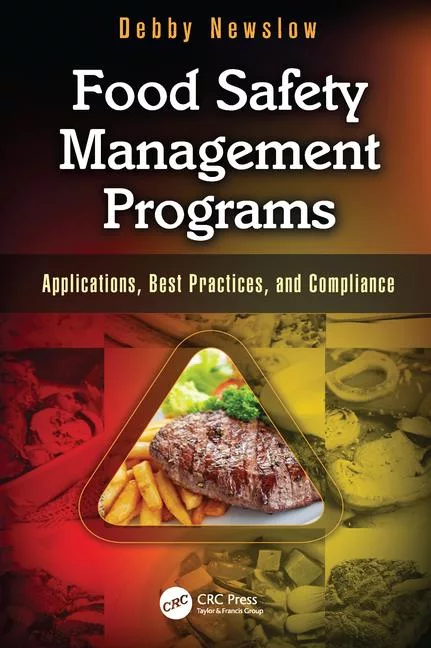
    Food Safety Management Programs: Applications, Best Practices, and Compliance

  • Food-Forensics-3D.jpg

    Food Forensics Handbook Practice, Instrumentation, Case Studies

See More Products

Related Directories

  • CBC Coating Inc.

    CBC is a privately held contract coater treating every customer confidentially. Our process is specifically designed for your success. Please call for a brief exploratory call to determine how we may be of service.
×

Never miss the latest news and trends driving the food safety industry

Newsletters | Website | eMagazine

JOIN TODAY!
  • RESOURCES
    • Advertise
    • Contact Us
    • Directories
    • Store
    • Want More
  • SIGN UP TODAY
    • Create Account
    • eMagazine
    • Newsletters
    • Customer Service
    • Manage Preferences
  • SERVICES
    • Marketing Services
    • Reprints
    • Market Research
    • List Rental
    • Survey/Respondent Access
  • STAY CONNECTED
    • LinkedIn
    • Facebook
    • Instagram
    • X (Twitter)
  • PRIVACY
    • PRIVACY POLICY
    • TERMS & CONDITIONS
    • DO NOT SELL MY PERSONAL INFORMATION
    • PRIVACY REQUEST
    • ACCESSIBILITY

Copyright ©2026. All Rights Reserved BNP Media, Inc. and BNP Media II, LLC.

Design, CMS, Hosting & Web Development :: ePublishing