This article introduces Auburn University’s AU-BISR System, which is governed by a unifying Biosurveillance, Biointelligence, and Biosecurity (B3) operational architecture. AU-BISR is a directly applicable early-warning architecture for the food system to prevent foodborne illnesses and recalls before they occur.
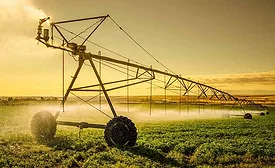
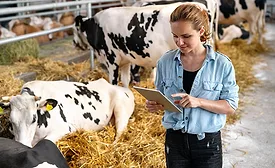
Food safety begins in the field, the barn, and the watershed, not at the processing plant. The concept of preharvest biosurveillance—the systematic, continuous monitoring and management of biological threats before harvest—is now central to building safer and more resilient food systems.
This article examines the need to always engage subject matter experts in the analysis of AI results for food safety in the context of biosurveillance and cognitive security.
Most prominent among wartime threats for food, agriculture, and water systems is the probability of continuous and coordinated cyberattacks and other forms of sabotage
Most prominent among wartime threats for U.S. food, agriculture, and water systems is the probability of continuous and coordinated cyberattacks and other forms of sabotage.
This article discusses biosurveillance intelligence, surveillance, and reconnaissance for food processors, from a system design and operation standpoint.
Coordination across the agricultural, food safety, cybersecurity, and emerging cognitive security landscape must become a top priority and be seamlessly integrated across the international and national biodefense enterprise. Part 2 of this column series explores food safety and business decision-making in the face of cognitive security threats.
Marking the intersection between human decision-making and biosecurity, deliberate attacks present risks like the poisoning or adulteration of food products, or cyberattacks targeting control or process systems. Collectively, "cognitive security"—or protecting the human decision-making process—needs to be a consideration for industry, government, and academia as an element of food security.