FDA’s CORE+EPteam conducts outbreak surveillance, investigation, mitigation, and post-response initiatives for products regulated by the Human Foods Program, including the analysis of outbreak data for food safety decision-making and sharing outbreak findings with food safety stakeholders.
Information collected during a foodborne illness outbreak investigation can be used to inform and improve future investigations and prevention activities
An aim of FDA's Coordinated Outbreak Response, Evaluation, and Emergency Preparedness Office (CORE+EP) is to share the findings of foodborne illness outbreak investigations, highlighting relevant topics such as the importance of global partnerships in farm investigations and the benefits of historical environmental surveillance for future outbreak investigations.
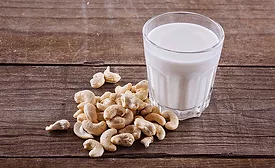
Salmonella spp. have long been associated with low-moisture foods such as nuts and nut-derived products, with varying prevalence observed in tree nuts, including cashews, at retail. Virtually all cashews are imported to the U.S. Some nuts, including cashews, are imported as a "raw" product (i.e., one that has not been subjected to a process to adequately reduce pathogens, such as a kill step). Salmonella contamination of such products has resulted in several notable outbreaks in the U.S. in the past ten years, including those in which cashew-containing products have been implicated as a vehicle. This article presents a brief overview of outbreak investigations of Salmonella infections linked to the consumption of cashews and cashew-containing food products. It also presents challenges encountered, lessons learned, and relevant regulatory requirements for importers and manufacturers of cashews and cashew-containing products.