Even with the right prep work, operations with the best sanitation, pest control, preventive maintenance, manufacturing practices, and food defense can experience a recall. This article establishes the background on recalls in the U.S. and offers a look at the behind-the-scenes activity of a food safety recall, including best practices, necessary steps, and tips for communication. It also explores an often-misunderstood resource that can minimize the negative impact and expense of a recall—your recall insurance policy.
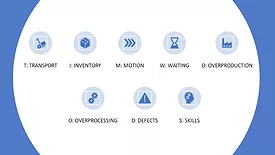
If you look around, you may find many examples of ‘TIM WOODS' in your facility. TIM WOODS is an acronym for the ‘eight wastes' that can plague a processing facility. In lean manufacturing, waste is any cost, effort, or material that is used in a processing facility that does not directly lead to a completed unit.
Ciguatera toxin, which does not break down during cooking, can cause severe foodborne illness in humans who consume contaminated reef fish that feed on toxic microalgae. Climate change is altering algal and seaweed growth patterns, which may impact the rate of ciguatoxin accumulation by these fish species.
Clean labeling is on the rise. Food producers must consider the packaging techniques and technologies that are used during manufacturing in order to label products as "clean."
Pests are a major source of concern for restaurant operators because they put food safety at risk by transmitting disease-causing pathogens and contaminating food. Part 2 of this article series considers other common restaurant pests and the preventive measures restaurant owners can take to avoid infestation, including chemical and non-chemical treatment options.
Pests are a major source of concern for restaurant operators because they put food safety at risk by transmitting disease-causing pathogens and contaminating food. This two-part article series considers common restaurant pests and the preventive measures restaurant owners can take to avoid infestation, including chemical and non-chemical treatment options.
Faced with oat shortages domestically, some food manufacturers have looked to international sources of gluten-free oats with mixed success due to concerns about comingling. One option for obtaining high-quality oats is to source oats that are certified as gluten-free.
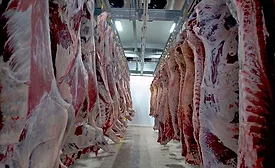
The safety of meat continues to be a challenge, mainly due to the ever-increasing line speeds and customer expectations that are approaching zero tolerance toward any irregularities. Listeria-free fresh meat is being requested in the market, and even small pieces of soft plastic can cause major recalls, loss of reputation, and loss of business for meat producers. In this article, the authors present new approaches to addressing well-known and emerging challenges from physical and microbiological risks in the meat industry.
Cyber is the backbone for food and agriculture defense. Adversaries have the means, opportunity, and motivation to break the cyber backbone at will. If or when adversaries carry out an attack of large magnitude, the result could be a massive compromise of food safety, food defenses, and food security. To avoid that dark scenario, agriculture and food companies must properly prepare for a different kind of assault. The place to start is with their own cyber defense systems.
The authors and collaborating food safety experts highlight several unique features of Asian culture that interplay with food safety management: evolving leadership toward modern styles, emerging risk awareness, and an immense hunger for learning
 RSS
RSS