At its December 2025 Board Meeting, the UK Food Standards Agency (FSA) recommended that the agency support Codex proposals on precautionary allergen labeling (PAL) and seek UK alignment with Codex PAL recommendations.
As screening of Ukraine for entry into the EU continues, the country has implemented a system similar to the European Rapid Alert System for Food and Feed (RASFF). Additionally, evaluation of Ukraine’s food safety policy for EU alignment has progressed.
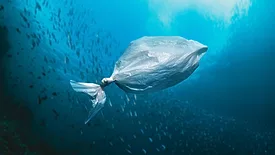
To close significant knowledge gaps and inform measures to protect consumers, the European Food Safety Authority (EFSA) has been requested by Parliament to deliver a scientific opinion on the potential health risks posed by microplastics in food, water, and air.
The European Commission has announced several new measures to significantly expand and strengthen its controls for food and feed products entering the EU, including increased audits in third countries and at EU borders, additional checks for frequently non-compliant countries and commodities, a dedicated task force, and other changes.
Lacprodan MFGM-10 is part of Arla Foods Ingredients’ range of milk fat globule membrane (MFGM) products, which occur naturally in breast milk. It is now approved in Brazil for use in food and beverages in which whey protein concentrate is permitted.
With support from FAO, ten African Union (AU) countries completed assessments of their national food control systems, culminating in a report that outlines strengths, opportunities, and strategic actions.
The Canadian Food Inspection Agency (CFIA) has published the latest National Microbiological Monitoring Program Annual Report for 2023–2024, which assesses domestic and imported food samples and industry environmental samples.
During the inaugural meeting of the Third National Congress on Animal and Plant Health and Food Safety 2025, representatives from the Mexican government, academia, and private industry discussed the need for cross-sector collaboration to ensure food safety in the face of emerging risks.
Food Standards Australia New Zealand (FSANZ) has published a new Work Program Dashboard, which provides a high-level overview of FSANZ's current work and priorities including food applications, standards development, food safety and surveillance, international engagement, and other areas.
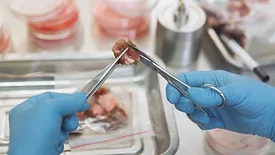
As a result of the ongoing Cell-Cultivated Products sandbox program, the UK Food Standards Agency (FSA) has published the first of several guidances on the food safety and hygiene of cell-cultured food production; specifically, on HACCP and other applicable requirements under UK regulations for lab-grown meat.
 RSS
RSS