Piloting of these assessments began in April and will continue through fiscal year 2026 at facilities across FDA inspectorates, including human and animal foods. The assessments are short, focused screening assignments that complement standard FDA inspections.
The guideline is designed to help small and very small plants producing egg products meet the regulatory requirements under the Egg Products Inspection Regulations Final Rule, including sanitation and HACCP requirements.
Based on the results of testing more than 125,000 food samples collected across Europe, compliance with EU pesticide maximum residue levels remains high, reported the European Food Safety Authority (EFSA).
The action plan would outline strategies to mitigate Campylobacter and reduce cases of foodborne illness. Those who are interested in contributing to the development of the action plan are invited to register to receive communications about stakeholder engagement.
Responding to growing consumer and regulatory demand for “natural” foods, the decision builds on Aldi’s removal of 13 synthetic colorants from its portfolio more than ten years ago. The grocer announced this ban while Congress, states, and industry debate ingredient oversight.
The National Academies of Sciences, Engineering, and Medicine’s (NASEM’s) Food Forum convenes scientists, administrators, and policymakers to explore issues and solutions related to food safety, regulation, and systems, as well as nutrition and health.
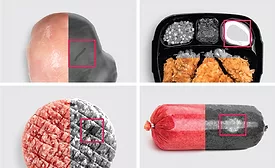
Contaminants don't belong in your food. Choosing the wrong X-ray detector costs you time, money, and reputation. Here's six key factors to consider before selecting one for your production line.
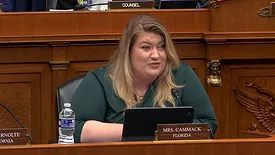
The E. coli outbreak involving Raw Farm unpasteurized dairy products has ended with one raw cheese sample matching isolates from a different 2025 outbreak. In an April 29 hearing, Congresspeople questioned whether U.S. Health Secretary Kennedy influenced FDA’s failure to mandate a recall.
None of the exposures to the five additives and flavorings assessed presented a health concern for the EU population. The pilot helped identify shortcomings in the monitoring framework that will be rectified for future reports.
In an April 29 Congressional hearing considering 28 active food safety bills, U.S. Representatives and witnesses from industry and consumer protection groups debated federal preemption of state food safety laws, GRAS and chemical ingredient oversight, and FDA–state
information-sharing during outbreaks.
 RSS
RSS