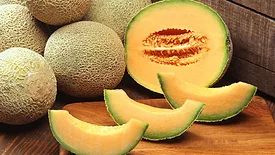
An analysis of salmonellosis outbreaks linked to melons showed cantaloupes to have a higher public health burden than other melons, and revealed factors that may contribute to more severe outbreaks.
A letter written to the U.S. Food and Drug Administration (FDA) by 23 members of Congress urges the agency to ban from food use red dye 3, a controversial synthetic colorant that is potentially harmful to human health.
A survey of municipal drinking water in the U.S. has revealed the pervasive presence of a little-understood contaminant, chloronitramide anion. The researchers call for urgent research into its toxicity—especially considering its structural similarity to other toxic compounds.
In a recent independent report evaluating popular restaurant chains’ policies on antibiotics in meat, many chains received a failing grade, while only one received an A+.
In this episode of Food Safety Matters, we speak to Paul Shapiro, best-selling author and CEO of The Better Meat Co., about the food safety and sustainability advantages offered by various novel alternative protein products, their current regulatory oversight, and hurdles they must overcome before being scaled up and widely accepted by governments and consumers.
A multistate foodborne outbreak of Listeria monocytogenes infections spanning more than two years has sickened 11 people and resulted in the death of an infant. The outbreak is linked to ready-to-eat (RTE) meat and poultry products from Yu Shang Food Inc.
With funding from the Center for Produce Safety (CPS), a team of researchers are developing a rapid viability test for the challenging parasite Cyclospora cayetanensis.
The European Commission amended its regulation on the microbiological criteria for foods to revise the requirements for food business operators regarding Listeria monocytogenes in ready-to-eat (RTE) foods.
The UK Food Standards Agency (FSA) has opened submissions for companies to express interest in a sandbox program to help ensure the safety of cell-cultivated foods.
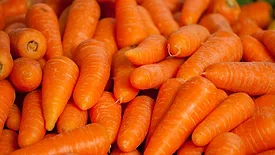
Following a fatal Escherichia coli outbreak linked to organic carrots that has sickened people in multiple U.S. states, the Government of Canada is warning consumers not to eat recalled products distributed by California-based Grimmway Farms.
 RSS
RSS